

Minimize Open Pores Naturally: Easy Home Remedies Guide
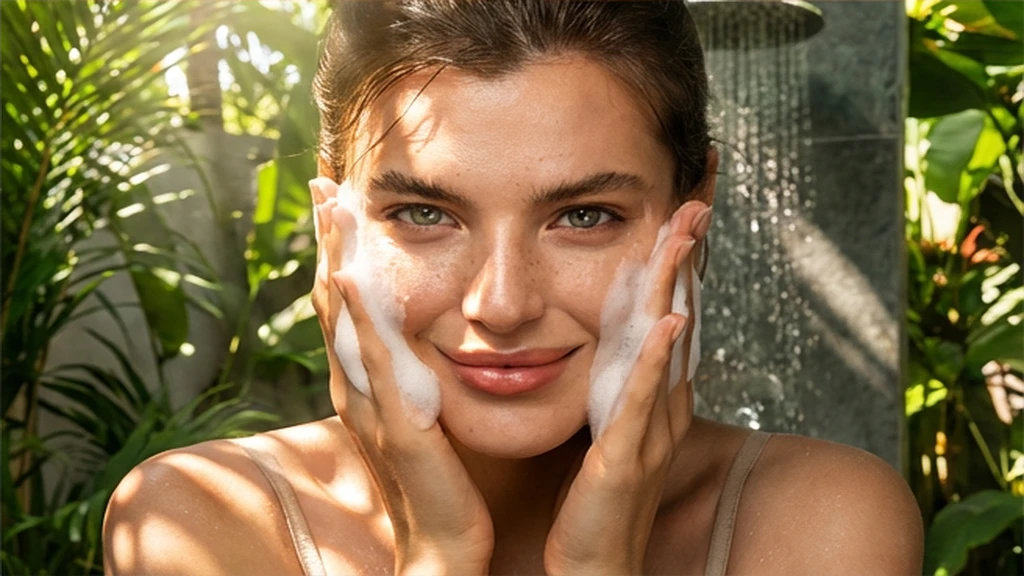
Large pores can make your skin look uneven and textured, but the good news is that you don't need expensive treatments to see real improvement. While you can't actually "close" pores permanently (they're essential for your skin's health), you absolutely can minimize their appearance using gentle, natural methods. The key is understanding what makes pores look larger and targeting those specific issues with proven ingredients and techniques. From clay masks that absorb excess oil to gentle exfoliation that smooths skin texture, these science-backed approaches can help you achieve that coveted poreless look from the comfort of your home.
Your pore size is largely determined by genetics, but several factors can make them appear more prominent than they naturally are. Pores are tiny openings in your skin that allow oil and sweat to reach the surface. When these openings become clogged with oil, dead skin cells, and debris, they stretch and appear larger. Age plays a significant role in pore appearance. As we get older, our skin loses elasticity and collagen, causing pores to look more pronounced. Sun damage accelerates this process by breaking down the supportive structures around pores. Additionally, hyperpigmentation and pores often go hand in hand - dark spots and uneven skin tone can create shadows that make pores appear deeper and more noticeable.
Let's clear up some misconceptions right away. You cannot permanently "close" pores because they serve essential functions for your skin. Steam doesn't actually open pores, and cold water doesn't close them - temperature changes only cause temporary muscle contractions around the pore opening.
While you can significantly improve pore appearance, complete elimination isn't possible or healthy. Focus on achieving smoother, more refined skin texture rather than expecting microscopic pores.
The most effective approach to pore reduction combines gentle cleansing, regular exfoliation, and targeted treatments that address oil production and skin texture. These methods work by removing the buildup that makes pores appear larger and improving overall skin health.
Bentonite clay is one of the most powerful natural ingredients for large pores treatment. This volcanic ash clay has an incredible ability to absorb excess oil and temporarily tighten skin. Mix one tablespoon of bentonite clay with enough water to form a paste, apply to clean skin, and leave for 10-15 minutes until dry. Kaolin clay offers a gentler option for sensitive skin while still providing oil-absorbing benefits. Fuller's earth, also known as Multani mitti, has been used for centuries in traditional skincare and works exceptionally well for oily, pore-prone skin.
Regular exfoliation removes dead skin cells that can clog pores and create a rough texture. Oatmeal makes an excellent natural scrub - its fine texture provides gentle physical exfoliation while its natural compounds soothe skin. Grind rolled oats into a fine powder and mix with honey for a nourishing treatment. Gram flour (besan) is another traditional ingredient that works wonderfully for skin texture improvement. Mix it with milk or yogurt to create a paste that gently exfoliates while providing protein and lactic acid benefits.
Diluted apple cider vinegar acts as a natural astringent, helping to balance skin pH and temporarily tighten pores. Always dilute it with water (1:3 ratio) to prevent irritation. Green tea works as both an antioxidant and gentle astringent - brew a strong cup, let it cool, and use as a toner.
While many natural ingredients can help minimize pores, some have stronger scientific backing than others. Understanding which ingredients work and why helps you make informed choices about your skincare routine. Niacinamide, while not strictly "natural," is derived from vitamin B3 and is considered the gold standard for pore reduction. If you prefer plant-based alternatives, look for ingredients like willow bark (natural source of salicylic acid) and rosehip oil (natural retinol alternative).
Tea tree oil, when properly diluted, can help control oil production without over-drying skin. Witch hazel provides gentle astringent properties, while honey offers antibacterial benefits that keep pores clean.
Hyaluronic acid occurs naturally in our skin and helps plump the area around pores, making them less noticeable. Aloe vera gel provides similar hydrating benefits while soothing any irritation from other treatments.
Consistency is key when working toward poreless skin. A well-structured routine addresses the factors that make pores appear larger while supporting overall skin health.
Start with a gentle cleanser that removes overnight oil buildup without stripping your skin. Follow with a natural toner like green tea or diluted apple cider vinegar. Apply a lightweight, non-comedogenic moisturizer even if you have oily skin - dehydrated skin actually produces more oil to compensate. Sun protection is crucial because UV damage breaks down collagen and elastin, making pores appear larger over time. Choose a broad-spectrum SPF that doesn't clog pores.
Double cleansing with a natural oil followed by a gentle cleanser ensures thorough removal of the day's buildup. This method is particularly effective as a facial pore cleanser technique. Incorporate weekly treatments like clay masks or gentle enzyme peels to maintain smooth skin texture. Always follow with a nourishing moisturizer to support skin barrier function.
Many traditional home remedies for pores have stood the test of time because they genuinely work. These kitchen-based treatments can be effective when used correctly and consistently. Egg white masks provide temporary tightening effects due to their protein content. Whip one egg white until frothy, apply to clean skin, and rinse after 15 minutes. Cucumber slices or cucumber juice offers cooling and mild astringent properties.
While steam doesn't actually "open" pores, it does soften the debris inside them, making extraction easier. Hold your face over a bowl of hot water for 5-10 minutes, then gently cleanse with a soft cloth.
Lemon juice contains natural alpha hydroxy acids, but use it carefully as it can cause photosensitivity. Dilute fresh lemon juice with equal parts water and use only in the evening, followed by thorough sun protection the next day.
Dark spots and uneven skin tone can make pores appear more prominent by creating shadows and contrast. Addressing both concerns simultaneously gives you better overall results. Vitamin C from natural sources like kakadu plum or camu camu can help brighten skin while supporting collagen production. Kojic acid alternatives include licorice root extract and arbutin from bearberry plants.
Turmeric mixed with milk or honey provides gentle brightening effects while reducing inflammation. Papaya contains natural enzymes that gently exfoliate while vitamin C content helps with brightness.
Avoiding these common pitfalls is just as important as following good practices. Over-cleansing strips your skin's natural oils, causing it to produce more oil in response. This excess oil can make pores appear larger and more noticeable. Skipping moisturizer on oily skin is another major mistake. Dehydrated skin looks rougher and more textured, emphasizing pore appearance. Always use a lightweight, non-comedogenic moisturizer appropriate for your skin type.
Manually extracting blackheads and squeezing pores can cause permanent damage and scarring. This trauma can actually make pores larger over time and increase the risk of infection.
The most effective natural methods include regular clay masks, gentle exfoliation with oatmeal or gram flour, consistent cleansing with natural ingredients, and using astringents like green tea. Consistency is key - results typically appear after 4-6 weeks of regular treatment.
No, ice only provides temporary tightening effects lasting a few hours. While it can temporarily reduce pore appearance, it cannot permanently change pore size or structure. Focus on treatments that address the underlying causes of enlarged-looking pores.
Yes, gram flour (besan) is excellent for pore reduction due to its natural exfoliating properties and oil-absorbing abilities. It helps remove dead skin cells and excess sebum that can make pores appear larger. Mix with milk or yogurt for best results.
Clay, especially bentonite and kaolin, is considered one of the most effective natural ingredients for pore minimization due to its oil-absorbing and temporary tightening properties. Regular use can significantly improve skin texture.
Most people notice initial improvements in skin texture within 2-3 weeks of consistent treatment. Significant pore appearance reduction typically occurs after 6-8 weeks of regular care. Remember that natural methods work gradually but provide lasting results.
Achieving naturally smaller-looking pores requires patience, consistency, and realistic expectations. While you cannot eliminate pores entirely, these natural methods can significantly improve your skin's texture and appearance. Focus on gentle, regular treatments that address oil production, exfoliation, and overall skin health rather than harsh methods that promise instant results. Remember that healthy skin with well-maintained pores looks better than damaged skin with temporarily tightened pores. Start with one or two treatments and gradually build your routine as your skin adapts. With time and dedication, you can achieve the smooth, refined skin texture you're seeking using these safe, natural approaches.
