

How to Identify Causes of Skin Dark Spots Fast
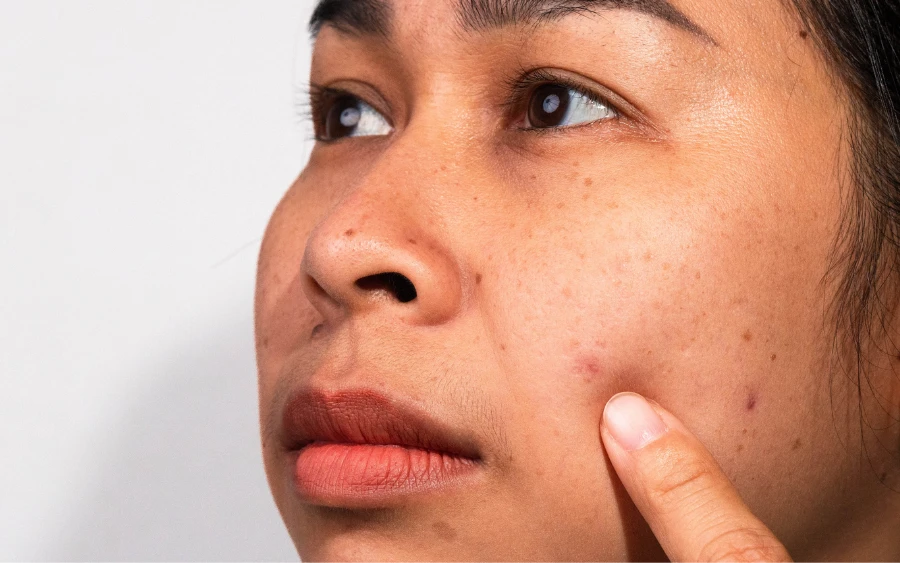
Dark spots on your skin can feel like unwelcome guests that show up uninvited. Whether you've noticed new patches after a beach vacation or discovered stubborn marks from old acne, understanding what's behind these changes is the first step toward clearer skin. The good news? Most causes of skin dark spots are completely normal and treatable. By learning to identify the triggers quickly, you can take action sooner and prevent new spots from forming. Let's dive into the science behind skin pigmentation and discover how to spot the culprits behind your skin's story.
Dark spots, also known as hyperpigmentation, happen when your skin produces too much melanin in certain areas. Think of melanin as your skin's natural sunscreen – it's the pigment that gives your skin its color and protects you from harmful UV rays. When something triggers your skin cells to go into overdrive, they pump out extra melanin, creating those darker patches we see. This process is actually your skin trying to protect itself. Whether it's responding to sun damage, healing from a pimple, or reacting to hormonal changes, your skin uses melanin production as its defense mechanism. The tricky part is that sometimes this protection system gets a bit too enthusiastic, leaving behind visible reminders long after the initial trigger is gone.
Identifying what's causing your dark spots doesn't have to be a guessing game. Most skin discoloration falls into six main categories, each with its own telltale signs and patterns.
The sun is by far the biggest culprit behind dark spots. When UV rays hit your skin, they trigger a surge in melanin production that can create sunspots on skin and age spots causes that appear years later. These spots typically show up on areas that get the most sun exposure – your face, hands, shoulders, and arms. Sunspots usually appear as flat, brown patches that are clearly defined. They're more common after age 40, but can show up earlier if you've had significant sun exposure. The key difference between sunspots and age spots? Sunspots can appear at any age after sun damage, while age spots are specifically related to the cumulative effects of aging plus sun exposure.
Post-inflammatory hyperpigmentation is your skin's response to injury or irritation. This is why acne often leaves behind dark marks, even after the pimple has healed. Any time your skin experiences trauma – from a cut, burn, eczema flare-up, or aggressive skincare treatment – it can trigger excess melanin production in that area. These spots tend to be darker than sun-related discoloration and follow the exact shape of the original injury. They're more common in people with darker skin tones and can take months or even years to fade naturally.
Hormones can turn your skin into an unpredictable canvas. Melasma, often called the "mask of pregnancy," creates symmetrical patches of discoloration, usually on the face. Birth control pills, hormone replacement therapy, and pregnancy can all trigger this type of hyperpigmentation treatment challenge. Melasma has a distinctive butterfly pattern across the cheeks and forehead. Unlike other dark spots, melasma patches tend to be larger and more diffuse, with irregular borders that blend into the surrounding skin.
Some medications can make your skin more sensitive to light or directly cause pigmentation changes. Antibiotics like tetracycline, anti-seizure medications, and certain chemotherapy drugs are common culprits. This type of discoloration often appears in sun-exposed areas but can be more widespread than typical sunspots. The timeline is usually the giveaway here – if you notice new dark spots on face or body shortly after starting a new medication, there might be a connection. Always check with your doctor before stopping any prescribed medication.
Repeated rubbing or irritation can cause dark patches, especially in areas where skin rubs against skin or clothing. This is common in the underarms, inner thighs, and neck area. Harsh skincare products or aggressive scrubbing can also trigger this type of uneven skin tone. These spots often have a velvety texture and appear in areas of friction. They're more common in people who are overweight or have diabetes, as these conditions can increase skin sensitivity.
As we age, our skin's ability to repair itself slows down, and years of sun exposure start to show. Genetic factors also play a role – if your parents had dark spots, you're more likely to develop them too. Age-related spots tend to appear gradually and are usually flat and well-defined.
While most dark spots are harmless, some changes warrant immediate medical attention. Any spot that changes in size, color, or texture should be evaluated by a dermatologist. Look out for spots with irregular borders, multiple colors within the same spot, or any spot larger than a pencil eraser. Sudden appearance of multiple dark spots, especially if accompanied by other symptoms like fatigue or weight changes, could indicate an underlying health condition. Diabetes, liver disease, and certain autoimmune conditions can all cause skin discoloration patterns that require medical management.
You can identify your dark spot type in just a few minutes with this simple assessment. Start by examining the location – face and hand spots are usually sun-related, while spots in friction areas suggest mechanical causes. Consider the timing – did they appear after sun exposure, during pregnancy, or after starting new medications? Look at the pattern and shape. Symmetrical patches often indicate hormonal causes, while spots that follow the exact shape of a previous injury suggest post-inflammatory hyperpigmentation. Take photos to track any changes over time, and don't hesitate to consult a professional if you're unsure.
Preventing new dark spots is often easier than treating existing ones. Daily broad-spectrum SPF 30 or higher is non-negotiable, even on cloudy days. Gentle skincare routines that don't irritate your skin can prevent post-inflammatory hyperpigmentation. For existing spots, dark spot removal options range from over-the-counter treatments to professional procedures. The key is patience – most treatments take 6-12 weeks to show results, and some spots may take much longer to fade completely.
Sun exposure is the primary cause of dark spots. UV rays trigger excess melanin production, leading to sunspots and age spots over time. Even brief, intense sun exposure can cause lasting pigmentation changes.
While nutritional deficiencies don't directly cause dark spots, vitamin D deficiency can affect skin health. B12 deficiency can sometimes cause hyperpigmentation, particularly in people with darker skin tones.
Most dark spots are cosmetic concerns rather than health issues. However, sudden changes in existing spots or rapid appearance of multiple new spots should be evaluated by a healthcare provider.
Very dark or black spots are usually the result of intense melanin production, often from severe inflammation or deep injury to the skin. Post-inflammatory hyperpigmentation can appear quite dark, especially in people with darker skin tones.
Sudden appearance of brown spots can result from recent sun exposure, new medications, hormonal changes, or underlying health conditions. If multiple spots appear quickly, consult a dermatologist for proper evaluation.
Use the ABCDE rule: Asymmetry, Border irregularity, Color variation, Diameter larger than a pencil eraser, and Evolving changes. Any spot meeting these criteria should be examined by a dermatologist immediately.
Understanding the causes behind your dark spots empowers you to make informed decisions about treatment and prevention. Most spots are harmless responses to common triggers like sun exposure, hormonal changes, or skin irritation. The key is learning to recognize patterns and knowing when to seek professional help. With the right approach, you can address existing spots while preventing new ones from forming, leading to clearer, more even-toned skin over time.
