


How to Identify Causes of Dark Spots on Skin
Dark spots on your skin can feel like unwelcome visitors that show up without warning. Whether you've noticed new patches after a beach vacation or discovered stubborn marks that won't fade, understanding what's behind these changes is the first step toward clearer skin. The causes of dark spots skin vary widely, from sun exposure to hormonal shifts, and each type tells a different story about what's happening beneath the surface. By learning to identify these triggers, you can take control of your skin's health and make informed decisions about prevention and care.
Dark spots, also known as hyperpigmentation, occur when your skin produces too much melanin in certain areas. Melanin is the pigment that gives your skin its color, but when it clumps together or gets produced in excess, it creates those noticeable patches we call dark spots. These spots can appear anywhere on your body, but they're most common on areas that get regular sun exposure like your face, hands, shoulders, and chest. The process happens gradually as your skin responds to various triggers by ramping up melanin production. What makes skin discoloration tricky is that it often shows up weeks or months after the initial trigger, making it hard to pinpoint the exact cause. Unlike temporary redness or irritation, dark spots represent a deeper change in your skin's pigment cells. They can range from light brown to nearly black, and their size can vary from tiny freckle-like dots to larger patches several inches across.
Understanding what triggers dark spots helps you recognize patterns in your own skin and take steps to prevent new ones from forming. The main culprits behind skin pigmentation changes fall into several distinct categories, each with its own characteristics and timeline.
Sun exposure ranks as the number one cause of dark spots, responsible for both sunspots and age spots. When UV rays hit your skin, they trigger your melanocytes to produce more melanin as a protective response. Over time, this protection mechanism can go into overdrive, creating concentrated patches of pigment. Sunspots typically appear on areas that get the most sun exposure, while age spots develop as cumulative damage becomes visible over decades. Fair-skinned individuals often see these spots earlier because they have less natural melanin protection.
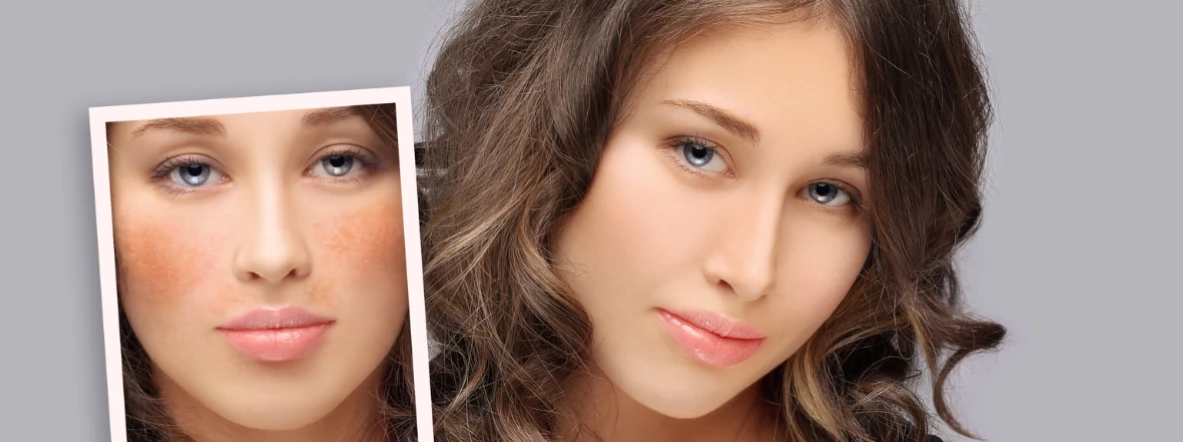
Melasma creates distinctive patches, often called the "mask of pregnancy" when it appears during pregnancy. Hormonal fluctuations from birth control pills, hormone replacement therapy, or natural life changes can trigger this type of pigmentation. These hormone-related dark spots typically appear symmetrically on both sides of the face, particularly on the cheeks, forehead, and upper lip. Women experience this type of hyperpigmentation more frequently than men due to hormonal variations throughout their lives.
Post-inflammatory hyperpigmentation develops after your skin heals from injury, acne, or irritation. When your skin experiences trauma, the healing process can trigger excess melanin production, leaving behind dark marks long after the original problem has resolved. This type of pigmentation commonly follows acne breakouts, cuts, burns, or chronic skin conditions like eczema. The darker your natural skin tone, the more likely you are to develop this type of hyperpigmentation after skin injuries.
As you age, your skin's ability to distribute melanin evenly decreases, leading to concentrated spots. Years of cumulative sun damage also become more visible as your skin's repair mechanisms slow down. Genetic predisposition plays a significant role in how your skin responds to triggers. If your family members developed dark spots early or have prominent pigmentation changes, you're more likely to experience similar patterns.
Certain medications can make your skin more sensitive to UV light or directly affect pigmentation. Antibiotics like tetracycline, anti-seizure medications, and some chemotherapy drugs can trigger uneven skin tone as a side effect. These medication-induced changes often appear gradually and may not be immediately connected to the drug in your mind. If you notice new pigmentation after starting a medication, discuss this with your healthcare provider.
Repeated friction from clothing, harsh skincare products, or habitual rubbing can trigger pigmentation changes. This type of darkening often appears in areas where skin rubs together, like underarms, inner thighs, or the back of the neck. Chemical irritation from strong skincare ingredients or allergic reactions to cosmetics can also leave behind dark marks as your skin heals from the irritation.
Recognizing the characteristics of different dark spot types helps you understand their likely causes and choose appropriate responses. Sunspots typically appear as small, round, brown spots on sun-exposed areas and have well-defined borders. Melasma creates larger, irregularly shaped patches with softer edges, often appearing symmetrically on both sides of the face. These patches can be light brown to dark brown and may have a slightly blotchy appearance. Post-inflammatory marks often match the shape and size of the original injury or breakout. They can range from pink to dark brown or black, depending on your skin tone and the severity of the original inflammation. Age-related spots tend to be larger than sunspots and may have a slightly raised texture. They often appear in clusters on areas that have received decades of sun exposure.
While most dark spots are harmless, certain changes warrant immediate attention from a dermatologist. New spots that appear suddenly, especially if they're very dark or black, should be evaluated promptly. Watch for changes in existing spots, including growth, color changes, irregular borders, or changes in texture. The ABCDE rule applies here: Asymmetry, Border irregularity, Color variation, Diameter larger than a pencil eraser, and Evolution or change over time. Spots that bleed, itch, or feel tender also need professional evaluation. Trust your instincts – if something looks or feels different about a spot, it's worth having it checked.
Preventing dark spots is easier than treating them once they've formed. Daily broad-spectrum sunscreen with at least SPF 30 provides your best defense against UV-triggered pigmentation. Apply it generously and reapply every two hours when outdoors. Gentle skincare routines help prevent irritation-related pigmentation. Avoid harsh scrubbing, picking at blemishes, or using products that cause burning or stinging. When your skin feels irritated, it's more likely to develop pigmentation problems during healing. Managing underlying skin conditions like acne or eczema reduces your risk of post-inflammatory hyperpigmentation. Work with a dermatologist to keep these conditions under control.
Sun exposure is the primary cause of dark spots. UV radiation triggers excess melanin production, leading to concentrated patches of pigment that appear as brown or black spots on sun-exposed areas.
Sudden dark spots often result from hormonal changes, new medications, increased sun exposure, or recent skin injuries. Pregnancy, birth control changes, or starting photosensitizing medications can trigger rapid pigmentation changes.
Stress doesn't directly cause dark spots, but it can worsen existing skin conditions like acne, which may lead to post-inflammatory hyperpigmentation. Stress can also affect hormone levels, potentially triggering melasma in susceptible individuals.
Dark spots can appear anywhere from a few days to several months after the triggering event. Sun damage may take years to become visible, while post-inflammatory hyperpigmentation often appears within weeks of skin injury.
While no specific vitamin deficiency directly causes dark spots, deficiencies in vitamins C, E, and B12 may affect skin health and healing, potentially influencing how your skin responds to triggers like sun exposure or inflammation.
Identifying the causes of dark spots on your skin empowers you to make informed decisions about prevention and care. Sun protection remains your most powerful tool against new spot formation, while gentle skincare practices help prevent irritation-related pigmentation. Remember that dark spots develop gradually, often appearing long after the initial trigger, so patience and consistency in your prevention efforts pay off over time. When in doubt about any new or changing spots, consulting with a dermatologist provides peace of mind and professional guidance for your specific situation.
