


How to Effectively Treat Uneven Skin Pigmentation
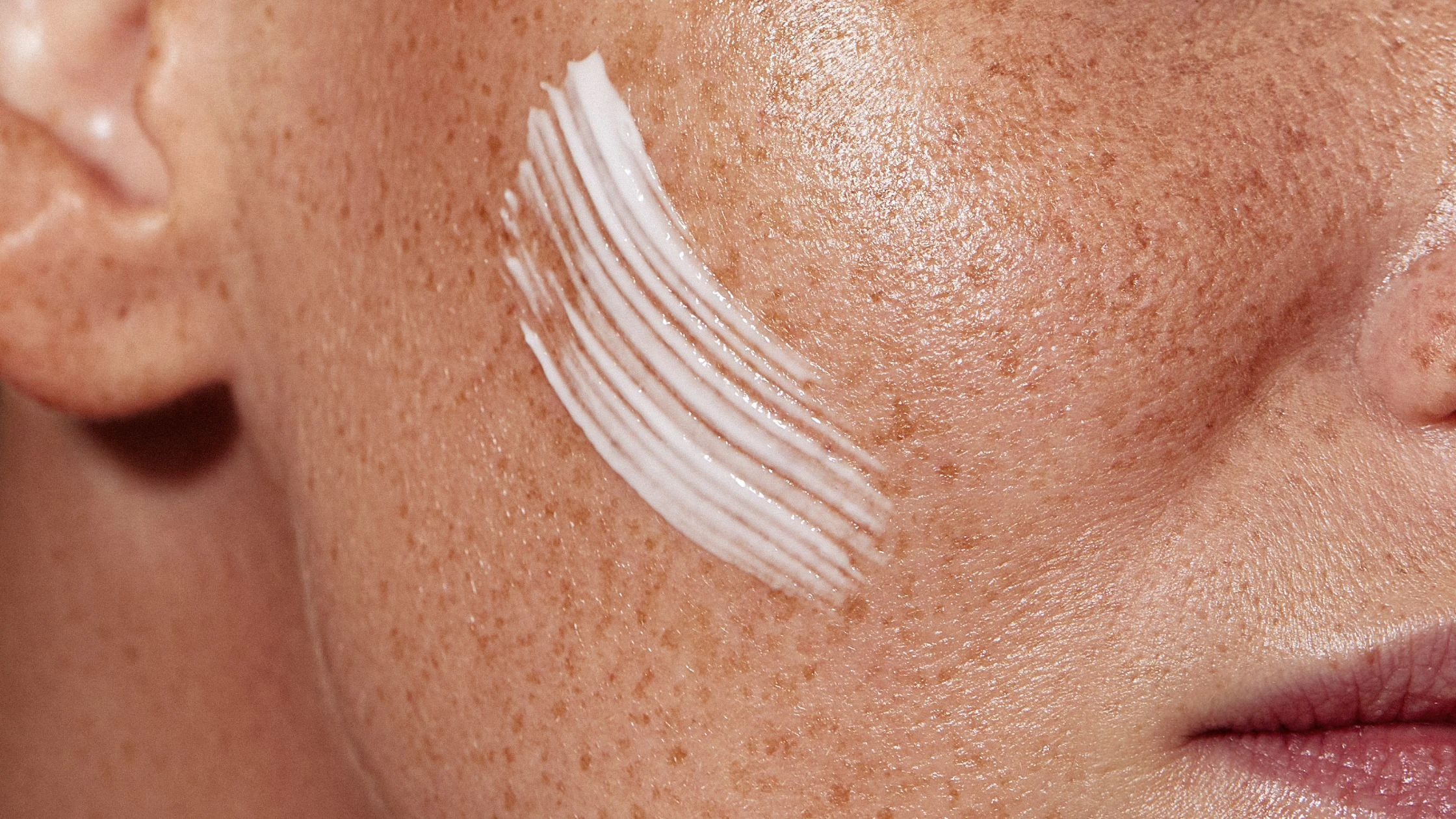
Uneven skin pigmentation affects millions of people worldwide, creating patches of darker or lighter skin that can impact confidence and self-esteem. Whether you're dealing with stubborn dark spots from sun damage, post-acne marks, or hormonal changes, understanding how to effectively address these concerns is the first step toward achieving a more balanced complexion. The good news is that with the right approach and consistent care, treating uneven skin pigmentation is entirely possible. From professional treatments to at-home solutions, there are numerous proven methods to help restore your skin's natural radiance and create the even tone you've been seeking.
Before diving into treatment options, it's essential to understand what causes uneven skin pigmentation in the first place. Your skin produces melanin, a natural pigment that gives your skin its color and helps protect against UV damage. When this process becomes disrupted, it can lead to areas of hyperpigmentation where melanin production increases, or hypopigmentation where it decreases.
Sun exposure remains the leading cause of skin discoloration. UV rays trigger melanin production as a protective response, but repeated exposure can cause this process to become irregular. Post-inflammatory hyperpigmentation occurs when skin trauma from acne, cuts, or other injuries leaves behind dark marks. Hormonal fluctuations, particularly during pregnancy or while taking certain medications, can also trigger melasma and other forms of pigmentation changes.
Different types of pigmentation require different approaches for effective treatment. Age spots typically appear as flat, brown patches on sun-exposed areas like the face and hands. Melasma presents as larger, symmetrical patches often on the cheeks and forehead. Post-acne marks can range from red to brown and may fade naturally over time with proper care.
For stubborn or extensive pigmentation issues, professional treatments often provide the most dramatic and fastest results. Dermatologists have access to stronger concentrations of active ingredients and advanced technologies that can target deep-seated pigmentation more effectively than over-the-counter options.
Chemical peels use controlled acids to remove damaged skin layers and promote cellular turnover. Glycolic acid peels are excellent for surface-level pigmentation, while deeper TCA peels can address more stubborn discoloration. The treatment process involves applying the acid solution, allowing it to work for a specific time, then neutralizing it to stop the action.
Modern laser treatments can precisely target pigmented areas without damaging surrounding skin. IPL (Intense Pulsed Light) therapy uses broad-spectrum light to break down melanin deposits, while Q-switched lasers deliver concentrated energy pulses to shatter pigment particles. These treatments typically require multiple sessions but can provide significant improvement in sun damage repair.
While professional treatments offer powerful results, consistent at-home care forms the foundation of any successful pigmentation treatment plan. The key is choosing the right active ingredients and using them correctly to avoid irritation while maximizing effectiveness.
Hydroquinone remains the gold standard for pigmentation removal, working by inhibiting the enzyme responsible for melanin production. Vitamin C serums provide antioxidant protection while promoting collagen production and helping to fade existing dark spots. Niacinamide offers gentle yet effective brightening properties, making it suitable for sensitive skin types.
For those preferring natural approaches, several plant-based ingredients show promising results. Kojic acid, derived from rice fermentation, offers gentle lightening properties. Licorice root extract contains compounds that can help inhibit melanin production, while alpha arbutin provides a gentler alternative to hydroquinone with similar mechanisms of action.
Success in treating uneven skin pigmentation requires a well-structured daily routine that combines treatment products with protective measures. The key is consistency and patience, as visible improvements typically take several weeks to months of dedicated care.
Your morning routine should focus on protection and prevention. Start with a gentle cleanser, apply your tone correcting serums, follow with a moisturizer containing brightening ingredients, and finish with broad-spectrum SPF 30 or higher. Sunscreen is absolutely non-negotiable when treating pigmentation, as UV exposure can worsen existing discoloration and create new spots.
Nighttime is when your skin does most of its repair work, making it the ideal time for active treatments. After cleansing, apply your chosen dark spot correctors or treatment serums. Follow with a nourishing moisturizer to support the skin barrier. Consider incorporating gentle exfoliation 2-3 times per week to enhance product penetration and cellular turnover.
Once you've achieved your desired results, maintaining them requires ongoing commitment to sun protection and proper skincare. Prevention is always easier than treatment, so establishing good habits early can save you time and effort in the long run.
Effective sun protection goes beyond daily sunscreen application. Seek shade during peak UV hours, wear protective clothing and wide-brimmed hats, and reapply sunscreen every two hours when outdoors. Remember that UV rays can penetrate windows, so protection is important even when indoors near windows.
Most people begin seeing initial improvements within 6-8 weeks of consistent treatment. Significant results typically appear after 3-6 months of dedicated care, though deeper pigmentation may take longer to fade completely.
Yes, but introduce them gradually to avoid irritation. Start with one active ingredient and add others slowly. Some combinations, like vitamin C and niacinamide, work well together when properly formulated.
Age spots are typically smaller, well-defined brown spots caused by sun damage. Melasma appears as larger, symmetrical patches often triggered by hormonal changes and tends to be more challenging to treat.
Natural ingredients can be effective but typically work more slowly than synthetic alternatives. They're often better tolerated by sensitive skin and can be excellent for maintenance or mild pigmentation issues.
Treating uneven skin pigmentation successfully requires patience, consistency, and the right combination of treatments for your specific needs. Whether you choose professional procedures, at-home treatments, or a combination of both, the most important factor is maintaining realistic expectations and staying committed to your routine. Remember that sun protection is crucial throughout your treatment journey and beyond. With the right approach and dedication, achieving a more even, radiant complexion is entirely within reach. Start with gentle treatments, be consistent with your routine, and don't hesitate to consult with a dermatologist for persistent or severe pigmentation concerns.
