


How to Choose the Best Serum for Dark Spots
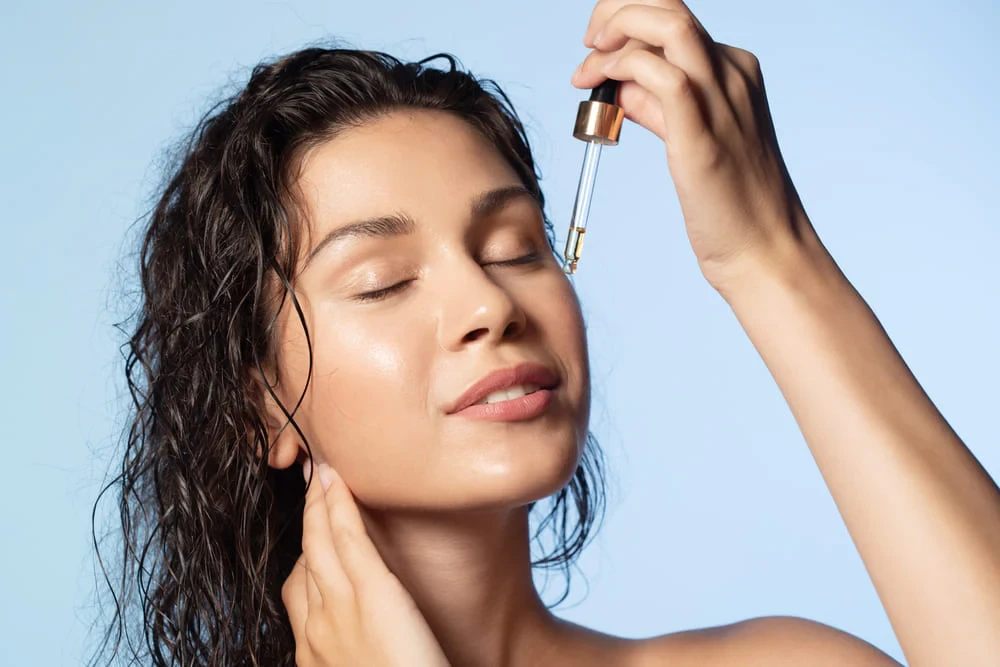
Dark spots can feel like unwelcome guests on your skin. They show up uninvited and refuse to leave. Whether you're dealing with melasma, post-acne marks, or sun damage, finding the right serum can transform your skin. The key lies in understanding what causes these spots and choosing ingredients that target them effectively. With so many options available, knowing which hyperpigmentation treatment works best for your specific needs makes all the difference. Let's explore how to select the perfect serum for dark spots that will help you achieve the clear, even complexion you deserve.
Hyperpigmentation happens when your skin produces too much melanin in certain areas. This creates those frustrating dark patches that seem impossible to fade. The good news? Pigmentation removal is absolutely possible with the right approach. There are three main types of hyperpigmentation you might be dealing with. Post-inflammatory hyperpigmentation occurs after acne, cuts, or other skin injuries. Melasma typically appears as brown patches on the face, often triggered by hormones or sun exposure. Age spots develop over time from repeated sun damage. Serums work exceptionally well for uneven skin tone correction because they contain concentrated active ingredients in lightweight formulas. Unlike heavy creams, serums penetrate deeper into your skin layers where pigmentation forms. This targeted delivery system makes them incredibly effective for addressing stubborn dark spots.
When your skin experiences trauma, inflammation, or UV exposure, it triggers melanocytes to produce excess melanin. This melanin gets deposited unevenly, creating those visible dark patches. Understanding this process helps you choose ingredients that interrupt melanin production and promote cell turnover.
Most people see initial improvements within 4-6 weeks of consistent use. However, deeper pigmentation may take 3-6 months to fade significantly. Patience is crucial when it comes to hyperpigmentation treatment.
Choosing the right ingredients is crucial for effective dark spot corrector results. Each ingredient works differently, so understanding their mechanisms helps you make informed decisions. Vitamin C serum for face treatments ranks among the most popular choices. This powerful antioxidant inhibits melanin production while protecting against future damage. Look for stable forms like magnesium ascorbyl phosphate or sodium ascorbyl phosphate. Niacinamide offers gentle yet effective results. This form of vitamin B3 reduces melanin transfer to skin cells and strengthens your skin barrier. It's perfect for sensitive skin types who can't tolerate stronger ingredients.
Hydroquinone remains the gold standard for melasma treatment. This ingredient directly inhibits tyrosinase, the enzyme responsible for melanin production. However, it requires careful use and isn't suitable for everyone. Alpha arbutin provides similar benefits to hydroquinone but with less irritation potential. This natural ingredient gradually lightens dark spots while being gentle enough for daily use.
Glycolic acid accelerates cell turnover, helping fade surface-level pigmentation faster. Start with lower concentrations and gradually increase as your skin builds tolerance. Azelaic acid offers multiple benefits including pigmentation removal and anti-inflammatory properties. It's particularly effective for post-acne hyperpigmentation.
Your skin type significantly influences which best hyperpigmentation serum recommendations will work best for you. Different formulations suit different needs, so matching ingredients to your skin's characteristics ensures optimal results. For oily or acne-prone skin, look for serums containing niacinamide combined with salicylic acid. These ingredients control oil production while addressing pigmentation. Avoid heavy, oil-based formulas that might clog pores.
If you have sensitive skin, start with gentler ingredients like alpha arbutin or low-concentration vitamin C. Avoid products with high percentages of acids or hydroquinone initially. Always patch test new products before full application.
Dry skin benefits from skin brightening serum formulas that include hydrating ingredients like hyaluronic acid or glycerin. These help maintain moisture while active ingredients work on pigmentation.
Combination skin requires balanced formulations that don't over-dry oily areas or leave dry zones feeling tight. Multi-active serums often work well for this skin type.
Proper application significantly impacts how well your chosen dark spot corrector performs. Following the right routine ensures you get the most from your investment while avoiding potential irritation. Always apply serums to clean, dry skin. Use gentle upward motions and allow each layer to absorb completely before applying the next product. Most serums work best when applied twice daily, but start with once daily if you're using strong actives. Sun protection becomes absolutely critical when using pigmentation treatments. Many active ingredients increase photosensitivity, making your skin more vulnerable to UV damage. Apply broad-spectrum SPF 30 or higher every morning, regardless of weather.
When using multiple serums, apply them from thinnest to thickest consistency. Water-based serums go first, followed by oil-based treatments. Wait 10-15 minutes between applications for optimal absorption.
Avoid applying too much product, which can cause irritation without improving results. A few drops typically cover your entire face. Don't mix different active ingredients in your palm, as this can reduce their effectiveness.
Most people notice initial improvements within 4-6 weeks of consistent use. However, significant fading of deeper pigmentation typically takes 3-6 months. Results depend on the severity of pigmentation, chosen ingredients, and consistent application.
Yes, you can use these ingredients together safely. Apply vitamin C in the morning and niacinamide in the evening, or use products that combine both ingredients in stable formulations.
Serums treat larger areas and provide overall uneven skin tone correction, while spot treatments target individual dark spots with higher concentrations of active ingredients. Many people use both for comprehensive results.
Mild tingling is normal when starting new actives, but persistent redness, burning, or peeling indicates you should reduce frequency or switch to gentler ingredients. Always listen to your skin's responses.
Over-the-counter serums effectively treat most hyperpigmentation. However, severe melasma or resistant pigmentation may require prescription treatments like tretinoin or higher-concentration hydroquinone from a dermatologist.
Choosing the best serum for dark spots requires understanding your skin type, pigmentation causes, and ingredient mechanisms. Start with gentler options like vitamin C or niacinamide if you're new to active ingredients. Consistency matters more than using the strongest available product. Remember that fade dark spots treatments require patience and sun protection for optimal results. Most people see improvements within 6-8 weeks, but complete results may take several months. Focus on finding a routine you can maintain long-term rather than seeking quick fixes. The most effective approach combines the right active ingredients with proper application techniques and realistic expectations. Your skin's unique needs should guide your choices, and don't hesitate to consult a dermatologist for persistent or severe pigmentation issues.
