


Uneven Skin Tone Care 101: A Beginner’s Guide to Picking the Right Products
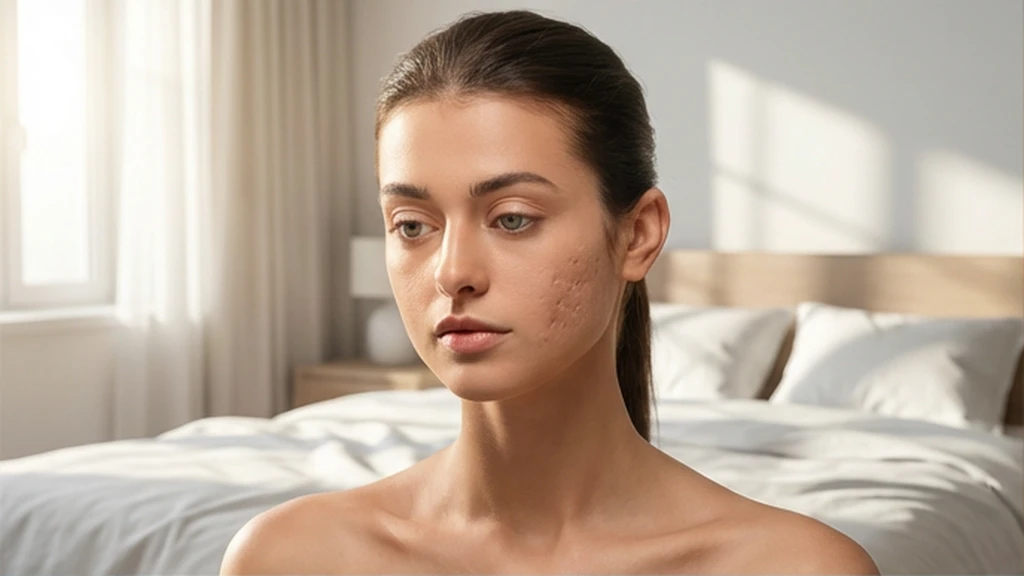
Dealing with uneven skin tone can feel overwhelming, especially when you're faced with countless product options promising miraculous results. Whether you're battling dark spots from past breakouts, melasma from hormonal changes, or age spots from years of sun exposure, finding the right products for uneven skin tone requires understanding both your skin's specific needs and the science behind effective ingredients. The key lies not just in choosing powerful actives, but in building a comprehensive routine that addresses the root causes while protecting your skin's barrier. Let's explore how to navigate this journey toward clearer, more radiant skin with confidence and knowledge.
Uneven skin tone manifests in various ways, from subtle patches of discoloration to prominent dark spots that seem to appear overnight. This common concern affects people of all ages and skin types, though certain factors make some individuals more susceptible than others. Sun damage remains the primary culprit behind most skin discoloration issues. Years of UV exposure trigger melanocytes to produce excess melanin, leading to age spots and general tone irregularities. Hormonal fluctuations, particularly during pregnancy or while taking birth control, can cause melasma - those stubborn brown patches that often appear on the cheeks and forehead.
Acne scarring and post-inflammatory hyperpigmentation create another category of skin concerns. When your skin experiences trauma from breakouts, cuts, or other injuries, it responds by producing extra melanin in those areas. This protective mechanism often leaves behind dark marks that can persist for months or even years without proper treatment.
Uneven skin texture also contributes to the appearance of tone irregularities. When dead skin cells accumulate unevenly, they can create shadows and dullness that make your complexion appear patchy. This is why effective pigmentation removal often requires addressing both color and texture simultaneously.
The most successful products for uneven skin tone contain scientifically-proven ingredients that work through different mechanisms to address discoloration. Understanding these key players helps you make informed decisions about which formulations will work best for your specific concerns. Vitamin C stands as one of the most versatile ingredients for skin brightening. This powerful antioxidant not only helps fade existing dark spots but also prevents new ones from forming by neutralizing free radicals. L-ascorbic acid, magnesium ascorbyl phosphate, and sodium ascorbyl phosphate are the most researched forms, each offering unique benefits for different skin types.
Niacinamide, also known as vitamin B3, offers gentle yet effective tone correction without the irritation often associated with stronger actives. This ingredient reduces inflammation, regulates melanin production, and strengthens the skin barrier - making it ideal for sensitive skin types dealing with discoloration.
Retinoids accelerate cellular turnover, helping to push pigmented cells to the surface where they can be naturally shed. Prescription-strength tretinoin offers the most dramatic results, while over-the-counter retinol provides a gentler introduction to this ingredient family. Both forms require consistent use and proper sun protection.
Alpha hydroxy acids like glycolic and lactic acid work by dissolving the bonds between dead skin cells, revealing brighter skin underneath. Beta hydroxy acid (salicylic acid) penetrates deeper into pores, making it particularly effective for those dealing with both acne and post-inflammatory hyperpigmentation.
Successful treatment of uneven skin tone requires a multi-pronged approach using different product categories that work synergistically. Rather than relying on a single miracle product, focus on building a comprehensive routine that addresses prevention, treatment, and maintenance. Your cleanser sets the foundation for everything that follows. Look for gentle formulations that remove impurities without stripping your skin's natural protective barrier. Ingredients like salicylic acid or glycolic acid in cleansers provide mild exfoliation, while vitamin C-infused options offer antioxidant benefits from the very first step.
Serums deliver concentrated doses of active ingredients directly to problem areas. A vitamin C serum in the morning provides antioxidant protection and gradual brightening, while evening serums containing niacinamide, retinol, or hydroquinone alternatives target existing discoloration more aggressively.
Don't overlook the power of a well-formulated moisturizer in your tone-correction routine. Modern formulations combine hydrating ingredients with actives like niacinamide, peptides, or gentle AHAs, allowing you to treat discoloration while maintaining healthy skin barrier function.
Daily sunscreen use remains non-negotiable when treating uneven skin tone. Even the most effective pigmentation removal treatments will fail if you continue exposing your skin to UV damage. Look for broad-spectrum SPF 30 or higher, and reapply throughout the day for optimal protection.
While the basic principles of treating uneven skin tone remain consistent, your specific skin type and concerns require tailored approaches for optimal results. Understanding these nuances helps you avoid common pitfalls and achieve faster, more sustainable improvements. Sensitive skin types benefit from gentler formulations and slower introduction of active ingredients. Start with lower concentrations of vitamin C or niacinamide, and introduce new products one at a time. Avoid combining multiple strong actives initially, and always prioritize barrier repair alongside treatment.
Those dealing with both active breakouts and post-inflammatory hyperpigmentation need products that address both concerns without exacerbating either. Salicylic acid serves double duty by unclogging pores and providing gentle exfoliation, while niacinamide helps control oil production and reduce inflammation.
Age spots and general tone irregularities in mature skin often require more intensive treatment approaches. Retinoids become particularly valuable here, offering both anti-aging benefits and pigmentation removal. However, mature skin may also be more sensitive, requiring careful product selection and gradual introduction of actives.
Most people begin noticing improvements in skin clarity within 4-6 weeks of consistent use, though significant changes in dark spots and melasma treatment may take 3-6 months. The key is patience and consistency with your routine.
Contrary to old beliefs, vitamin C and niacinamide work well together and can enhance each other's benefits. You can apply them in the same routine or alternate between morning and evening use based on your skin's tolerance.
Age spots typically respond well to standard brightening ingredients and consistent treatment. Melasma treatment often requires more intensive approaches, longer treatment periods, and sometimes professional intervention due to its hormonal component.
Consider professional consultation if you have severe discoloration, suspect melasma, or haven't seen improvement after 3-4 months of consistent at-home treatment. Dermatologists can provide prescription-strength options and professional treatments.
Choosing the best products for uneven skin tone requires understanding your specific type of discoloration, selecting scientifically-proven ingredients, and building a comprehensive routine that addresses both treatment and prevention. Remember that consistency trumps intensity - gentle, regular use of effective ingredients will yield better results than aggressive treatments that compromise your skin barrier. Start with one or two key products, introduce new ingredients gradually, and always prioritize sun protection to prevent further damage while your skin heals and renews itself.
