

How to Choose the Best Hyperpigmentation Remedies
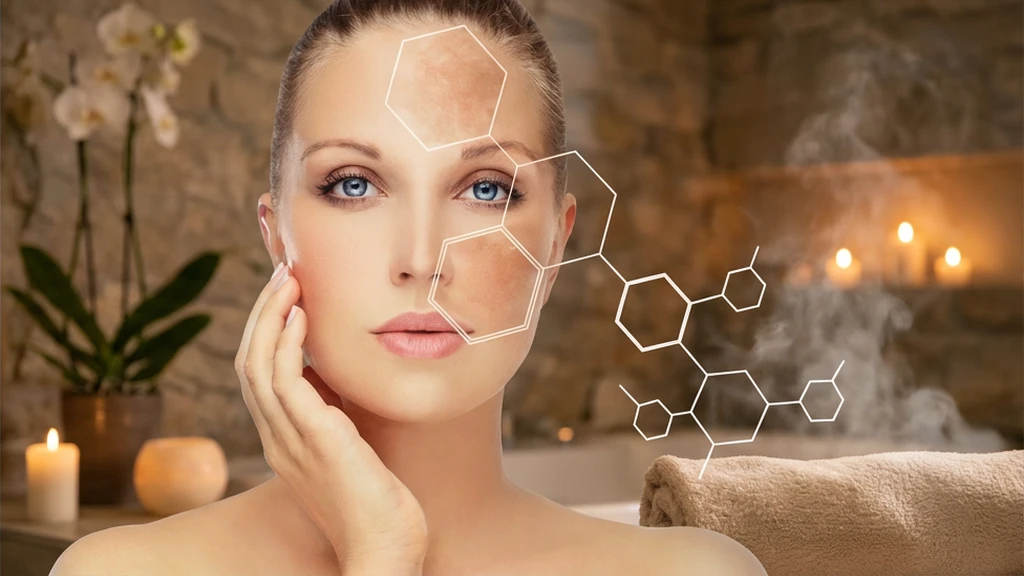
Dealing with dark spots, uneven skin tone, or stubborn patches of discoloration can feel overwhelming. Whether you're battling melasma from hormonal changes, age spots from years of sun exposure, or post-acne marks that just won't fade, finding the right hyperpigmentation remedies is crucial for your skin's health and your confidence. The good news? Today's skincare science offers more effective solutions than ever before. From gentle natural ingredients to powerful clinical-grade formulations, there's a perfect match for every skin type and concern. Understanding what causes your specific type of pigmentation and which ingredients work best for your skin will help you choose products that deliver real, lasting results.
Hyperpigmentation happens when your skin produces too much melanin in certain areas. This creates those frustrating dark patches that can make your complexion look uneven. Think of melanin as your skin's natural defense system - it kicks into overdrive when it senses damage or irritation. There are three main types you'll encounter. Melasma shows up as brown or gray patches, usually on your face, and often appears during pregnancy or when taking hormonal medications. Age spots (also called sun spots) are those flat, brown marks that develop from years of UV exposure. Post-inflammatory hyperpigmentation occurs after your skin heals from acne, cuts, or other injuries. The root causes vary widely. Sun damage tops the list - those UV rays trigger melanin production even years after exposure. Hormonal fluctuations during pregnancy, menopause, or from birth control can also spark pigmentation changes. Acne scarring, aging, and even certain medications can contribute to skin discoloration solutions becoming necessary. Choosing the right approach matters because different types of pigmentation respond to different treatments. What works for sun damage might not be effective for melasma. Understanding your specific situation helps you select top hyperpigmentation treatment products that actually address your concerns.
The most effective skin brightening products rely on proven ingredients that target pigmentation at different stages. Some prevent new melanin formation, while others help fade existing dark spots. Understanding these powerhouse ingredients helps you make informed choices.
Vitamin C works as both a preventive and corrective ingredient. This antioxidant protects against free radical damage while inhibiting melanin production. Look for stable forms like magnesium ascorbyl phosphate or sodium ascorbyl phosphate in your dark spot correctors. Niacinamide offers gentle yet effective pigmentation reduction. This form of vitamin B3 reduces melanin transfer to skin cells while strengthening your skin barrier. It's particularly beneficial for sensitive skin types who can't tolerate stronger actives. Retinoids accelerate cell turnover, helping fade dark spots faster. They work by speeding up the natural process of skin renewal, bringing fresh, unblemished cells to the surface. Start slowly with retinol products before considering stronger prescription options. Hydroquinone remains the gold standard for stubborn pigmentation. This ingredient directly inhibits melanin production and is particularly effective for melasma treatments. However, it requires careful use and shouldn't be applied long-term without professional guidance.
Kojic acid comes from fungi and offers natural skin brightening benefits. It's gentler than hydroquinone but still effective for age spot removal. Many people prefer this option for long-term maintenance. Licorice root extract contains glabridin, which helps reduce inflammation while lightening dark spots. It's particularly useful for post-inflammatory hyperpigmentation since it addresses both the pigmentation and underlying irritation. Tranexamic acid is gaining popularity for its clinical-grade effectiveness. Originally used to reduce bleeding, researchers discovered it also inhibits melanin production. It's especially effective for melasma and can be used alongside other actives. Alpha hydroxy acids like glycolic and lactic acid provide gentle exfoliation. They help remove the top layer of pigmented skin cells while improving overall skin texture for better uneven skin tone treatment.
Your skin type significantly influences which products will work best for you. What delivers amazing results for oily skin might cause irritation or insufficient hydration for dry skin types. Tailoring your approach ensures better results with fewer side effects.
Oily skin types benefit from lightweight, gel-based formulations that won't clog pores. Look for dark spot correctors containing salicylic acid, which provides gentle exfoliation while treating acne. Niacinamide works particularly well for this skin type, reducing both pigmentation and excess oil production. BHA treatments help prevent new breakouts while fading existing marks. Apply these products to clean skin, followed by a lightweight moisturizer and broad-spectrum sunscreen during the day.
Gentle hyperpigmentation remedies in cream-based formulations work best for dry skin. Look for products that combine brightening ingredients with hydrating components like hyaluronic acid and ceramides. These help maintain your skin barrier while treating pigmentation. Patch testing becomes crucial for sensitive skin types. Start with lower concentrations of active ingredients and gradually increase as your skin builds tolerance. Avoid products with high percentages of acids or multiple actives until you know how your skin responds.
Mature skin benefits from combination approaches that address both aging and pigmentation. Best hyperpigmentation creams for this demographic often include retinoids alongside brightening ingredients. This dual approach helps with sun damage repair while improving overall skin texture and firmness. Consider products with peptides and antioxidants that support collagen production while fading dark spots. The key is finding formulations that address multiple concerns without overwhelming your skin.
Success with skin discoloration solutions depends heavily on consistency and proper application. Building a routine that you can stick to long-term is more important than using the most expensive products sporadically. Start simple and add complexity gradually.
Your morning routine should focus on protection and gentle brightening. Start with a gentle cleanser that removes overnight treatments without stripping your skin. Follow with a vitamin C serum - this provides antioxidant protection while working on existing pigmentation. Broad-spectrum SPF 30 or higher is absolutely non-negotiable. UV exposure can undo months of treatment progress in just a few days. Choose a sunscreen you'll actually want to use daily, whether that's a lightweight gel, tinted moisturizer, or traditional cream formula.
Evening is when you can use stronger actives for pigmentation reduction. Start with thorough cleansing to remove sunscreen and daily buildup. Apply your treatment products in order of thinnest to thickest consistency. If using retinoids, start 2-3 times per week and gradually increase frequency. Never combine retinoids with AHA or BHA products in the same routine - this can cause excessive irritation. Always finish with a moisturizer to support your skin barrier.
Weekly chemical peels or enzyme treatments can accelerate results when used alongside daily products. These provide deeper exfoliation that helps skin brightening products penetrate more effectively. Professional treatments like laser therapy or medical-grade peels can address stubborn pigmentation that doesn't respond to over-the-counter products. However, these work best when combined with a solid at-home routine for maintenance.
Many people unknowingly sabotage their progress by making these common errors. Avoiding these mistakes can save you time, money, and frustration while protecting your skin from unnecessary damage. Over-exfoliation tops the list of treatment mistakes. Using multiple acids or scrubbing too aggressively can actually worsen pigmentation by causing inflammation. Your skin needs time to heal and regenerate between treatments. Sun exposure during treatment periods can completely undo your progress. Many brightening ingredients make your skin more photosensitive, meaning you're more likely to develop new dark spots if you skip sunscreen. This is why consistent sun protection is crucial. Inconsistent product use leads to disappointing results. Hyperpigmentation remedies need time to work - typically 8-12 weeks for noticeable improvement. Switching products every few weeks prevents you from seeing their full potential. Mixing incompatible ingredients can cause irritation or reduce effectiveness. For example, vitamin C and retinoids can destabilize each other when used simultaneously. Research ingredient interactions or consult a professional before combining multiple actives.
Most people notice initial improvements within 2-4 weeks of consistent use. Significant results typically appear after 8-12 weeks, while deeper pigmentation may require 3-6 months of treatment. Patience and consistency are key to success.
Yes, but introduce products gradually and avoid mixing certain actives in the same routine. Start with one active ingredient and add others slowly. Never combine retinoids with AHAs or BHAs in the same application.
While natural ingredients like kojic acid and licorice root show promise, clinical-grade ingredients typically deliver faster, more dramatic results for stubborn pigmentation. Natural options work well for maintenance or sensitive skin types.
Melasma appears as larger, irregular patches often triggered by hormones, while age spots are smaller, round marks caused by sun damage. Melasma treatments often require different approaches than standard age spot removal methods.
Consult a dermatologist if over-the-counter products haven't shown improvement after 3 months, if pigmentation is severe or widespread, or if you're unsure about your skin type. Professional guidance can save time and prevent complications.
Choosing the right top hyperpigmentation treatment products requires understanding your specific type of pigmentation, skin type, and lifestyle factors. The most effective approach combines proven ingredients with consistent application and religious sun protection. Remember that treating hyperpigmentation is a marathon, not a sprint - results take time, but they're absolutely achievable with the right strategy. Start with gentle, well-researched ingredients and build your routine gradually. Focus on one concern at a time rather than trying to address everything simultaneously. Most importantly, protect your investment in treatment by using broad-spectrum sunscreen daily. With patience, consistency, and the right products, you can achieve the even, radiant complexion you're working toward.
