

How to Choose the Best Facial Serum for Dark Spots
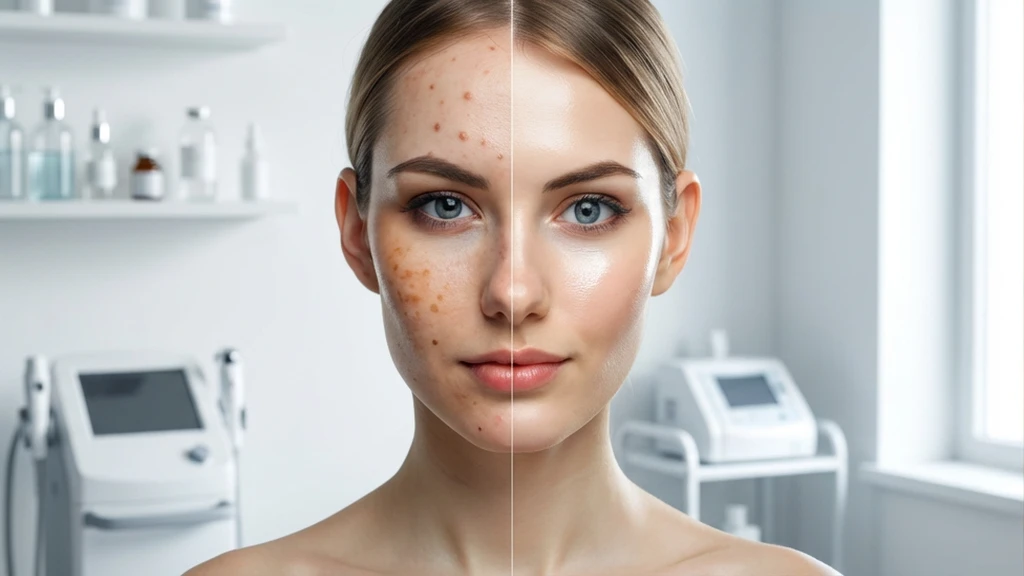
Dark spots and uneven skin tone can feel like unwelcome guests that just won't leave. Whether they showed up after a breakout, pregnancy, or years of sun exposure, these stubborn marks can make you feel less confident about your skin. The good news? The right facial serum for dark spots can be a game-changer in your skincare routine. Finding the best facial serum for your specific concerns doesn't have to be overwhelming when you know what to look for.
Dark spots, also known as hyperpigmentation, happen when your skin produces too much melanin in certain areas. Think of melanin as your skin's natural defense system against UV damage. Sometimes this system goes into overdrive, creating those darker patches we'd rather live without. There are several types of hyperpigmentation you might be dealing with. Sun spots or age spots typically show up on areas that get the most sun exposure like your face, hands, and shoulders. Melasma often appears as larger, symmetrical patches on the cheeks and forehead, usually triggered by hormonal changes. Post-inflammatory hyperpigmentation develops after acne, cuts, or other skin injuries heal.
Serums are lightweight, concentrated treatments that can penetrate deeper into your skin than heavier creams or lotions. A quality hyperpigmentation serum delivers active ingredients right where they're needed most. The thin consistency means these powerful ingredients can get to work faster and more effectively.
All skin tones can experience hyperpigmentation, but darker skin tones are often more prone to post-inflammatory hyperpigmentation. This means being extra gentle with your skin and choosing ingredients that won't cause irritation or further darkening.
Not all serums are created equal. The best serum for hyperpigmentation contains specific ingredients that target dark spots in different ways. Understanding these ingredients helps you make smarter choices for your skin. Vitamin C is like a superhero for your skin. This powerful antioxidant not only protects against future damage but also helps fade existing dark spots by interfering with melanin production. A good vitamin C serum for face can brighten your complexion while providing daily protection against environmental stressors. Niacinamide, also known as vitamin B3, is gentler than many other brightening ingredients. It reduces inflammation and helps regulate how pigment transfers within your skin cells. This makes it perfect for sensitive skin that can't handle stronger actives. Retinoids speed up cell turnover, helping your skin shed damaged cells faster and reveal brighter skin underneath. They're particularly effective for an anti-aging serum for hyperpigmentation since they tackle both dark spots and fine lines.
If you prefer gentler options, several natural ingredients can help fade dark spots. Kojic acid, derived from mushrooms, inhibits melanin production. Arbutin, found in bearberry plants, works similarly but more gently. Licorice root extract has anti-inflammatory properties that can help prevent new dark spots from forming.
Some ingredients work better together. Vitamin C pairs beautifully with vitamin E and ferulic acid for enhanced stability and effectiveness. However, avoid mixing vitamin C with retinoids or acids in the same routine, as this can cause irritation.
Your dark spots didn't all appear for the same reason, so they won't all respond to the same treatment. The best facial serum for your needs depends on what caused your hyperpigmentation in the first place. For sun damage and age spots, look for serums with vitamin C, kojic acid, or arbutin. These ingredients specifically target the type of melanin overproduction caused by UV exposure. A skin brightening serum with these actives can help fade existing spots while preventing new ones. Melasma requires a gentler approach since it's often triggered by hormones. Harsh ingredients can actually make melasma worse. A serum for melasma should contain mild acids like azelaic acid or gentle brightening agents like licorice root extract. For acne-related dark spots, niacinamide is your best friend. It reduces inflammation while helping fade the marks left behind by breakouts. Look for a face serum for dark spots that combines niacinamide with gentle exfoliating acids.
Your skin type affects how well different serums will work for you. Oily skin can handle lightweight, fast-absorbing formulas with active ingredients. Dry skin needs serums that include hydrating ingredients like hyaluronic acid alongside the brightening actives. Sensitive skin requires gentler formulations with fewer potentially irritating ingredients.
Even the best serum for hyperpigmentation won't work if you're not using it correctly. Proper application can make the difference between seeing results and wasting your money. Start with clean skin and apply your serum before heavier products like moisturizers. Use gentle patting motions rather than rubbing, and always follow the "thinnest to thickest" rule when layering products. Morning routines should focus on protection. If you're using a vitamin C serum for face, apply it in the morning followed by sunscreen. Evening routines can handle stronger actives like retinoids or acids. Patience is crucial when treating hyperpigmentation. Most people start seeing improvements after 4-6 weeks of consistent use, but significant changes can take 3-4 months. A facial serum for discoloration needs time to work its magic.
Using too much product can actually slow your progress and irritate your skin. A few drops of serum are usually enough for your entire face. Also, never skip sunscreen when using brightening serums, as your skin becomes more sensitive to UV damage during treatment.
You'll find serums at every price point, from drugstore finds to professional-grade treatments. Over-the-counter options are more accessible and often gentler, making them perfect for maintenance or mild hyperpigmentation. Professional-grade serums typically contain higher concentrations of active ingredients and may deliver faster results. However, they also come with a higher risk of irritation if not used properly. For severe hyperpigmentation or if you're not seeing results after several months, consider consulting a dermatologist. They can recommend prescription treatments or professional procedures that work alongside your serum for uneven skin tone.
Most people start noticing improvements after 4-6 weeks of consistent use. Significant fading typically takes 3-4 months, depending on the severity of hyperpigmentation and the ingredients used.
Yes, but be careful about ingredient interactions. Avoid mixing vitamin C with retinoids or acids in the same routine. When layering serums, apply the thinnest consistency first.
A natural serum for dark spots can be effective, especially for sensitive skin. Ingredients like kojic acid, arbutin, and licorice root extract offer gentler alternatives to synthetic brightening agents.
Vitamin C serums are ideal for morning use because they provide antioxidant protection while brightening skin. Always follow with broad-spectrum sunscreen for best results.
Sun spots respond well to vitamin C and kojic acid, melasma needs gentler ingredients like azelaic acid, and acne marks benefit from niacinamide and gentle exfoliating acids.
Choosing the best facial serum for dark spots comes down to understanding your skin's specific needs and being patient with the process. Whether you're dealing with sun damage, hormonal changes, or acne scarring, there's a serum formulation that can help brighten your complexion and boost your confidence. Remember that consistency is key, and protecting your skin from future damage is just as important as treating existing spots. With the right approach and realistic expectations, you can achieve the clearer, more even skin tone you're looking for.
