


How Hyperpigmentation Looks: Spot the Difference
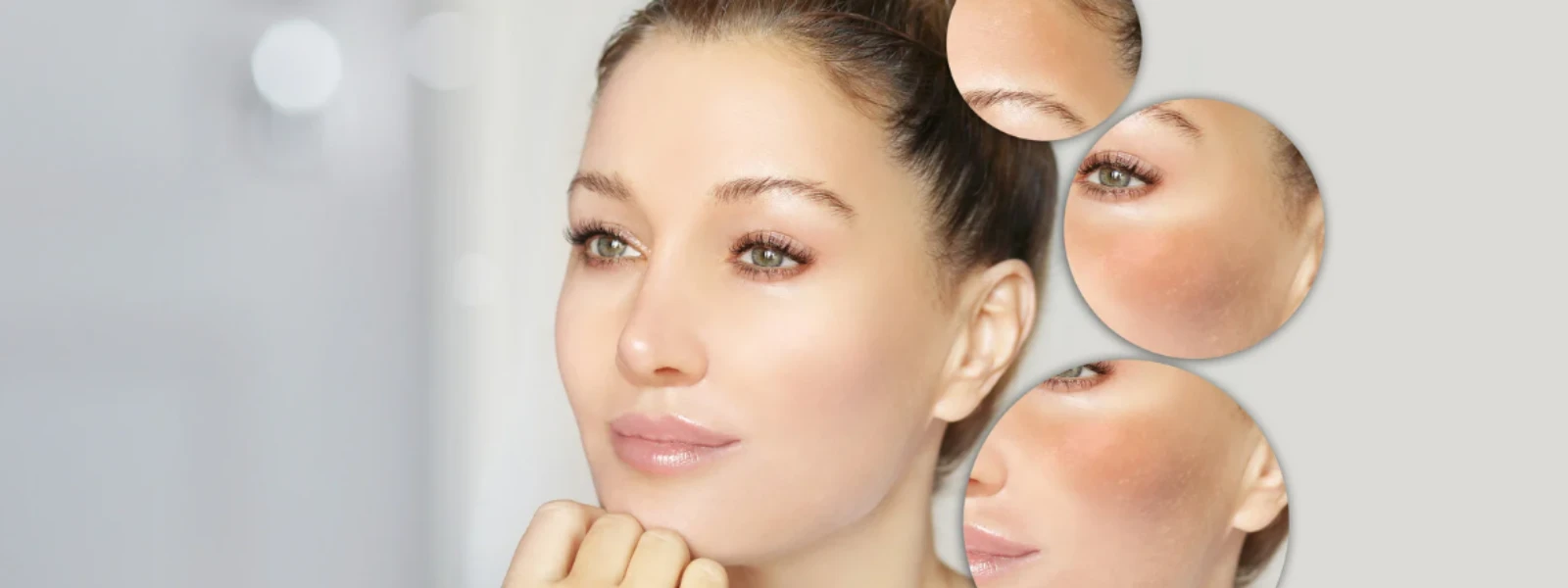
Understanding how hyperpigmentation looks can help you identify and address skin discoloration early. These dark patches appear when your skin produces too much melanin in certain areas. While hyperpigmentation is common and usually harmless, knowing what to look for helps you choose the right treatment approach. Different types of dark spots on skin have unique characteristics, and recognizing these patterns makes all the difference in your skincare journey.
Hyperpigmentation appears as patches or spots that are darker than your surrounding skin tone. These areas typically have flat surfaces with well-defined borders, though some types may have softer edges. The color can range from light brown to deep black, depending on your natural skin tone and the type of discoloration. The texture usually feels smooth to the touch, unlike raised moles or other skin growths. Most hyperpigmented areas don't cause physical discomfort, though they can affect your confidence. The size varies dramatically, from tiny freckle-like spots to large patches covering significant areas of your face or body.
On lighter skin, hyperpigmentation typically shows up as brown to dark brown patches with high contrast against the surrounding skin. These spots are often easier to notice because of the stark color difference. Medium skin tones may see darker brown to black spots with moderate contrast. The discoloration might blend more naturally with your skin tone, making it less obvious but still noticeable. Dark skin often develops purple-brown to black discoloration. While the contrast may be subtle, the difference in undertones makes these areas stand out. People with darker skin may also experience longer-lasting hyperpigmentation.
Different types of hyperpigmentation have distinct appearance patterns that help with identification. Understanding these differences guides you toward the most effective treatment approach. Each type develops from specific causes and responds differently to various treatments.
Melasma creates symmetrical brown patches that often appear on both sides of your face. This type typically shows up on your cheeks, forehead, nose bridge, and upper lip area. The patches have a distinctive butterfly-like pattern across your face. These larger patches usually have irregular borders and can vary in color intensity. Melasma often darkens with sun exposure and may lighten during cooler months.
Age spots and sunspots appear as round or oval spots with well-defined borders. They range from pea-sized to larger than a quarter, typically showing up on sun-exposed areas like your face, hands, shoulders, and arms. These spots usually have uniform brown coloring and flat surfaces. They develop gradually over years of sun exposure and become more noticeable as you age.
Post-inflammatory hyperpigmentation varies in appearance based on the original injury or inflammation. These spots often mirror the shape of the original wound, acne lesion, or irritated area. The color typically progresses from red or pink to brown, then gradually fades over time. PIH can appear anywhere on your body where skin trauma occurred.
Understanding hyperpigmentation causes helps you prevent new spots from forming. Sun exposure remains the primary trigger, as UV rays stimulate excess melanin production in your skin cells. This protective response creates the dark patches you see. Hormonal changes during pregnancy, menopause, or from birth control can trigger melasma. These hormonal fluctuations make your skin more sensitive to sun damage and melanin production. Skin trauma from acne, cuts, burns, or inflammatory conditions like eczema often leads to post-inflammatory hyperpigmentation. Your skin produces extra melanin during the healing process, leaving behind dark marks. Age-related factors include cumulative sun damage and natural changes in your skin's ability to regulate melanin production. Genetic predisposition also plays a role, as some people naturally produce more melanin than others.
Early detection of skin discoloration allows for more effective treatment. Regular skin checks help you notice changes before they become more pronounced. Look for areas that appear darker than your normal skin tone, even if the difference seems subtle.
Examine your skin in good lighting, preferably natural daylight. Look for color changes, noting whether the borders appear sharp and well-defined or soft and blurred. Track the size of any spots over time, taking photos if helpful. Monitor for symmetry, noting whether patches appear evenly distributed or irregular in pattern.
Rapid changes in size, color, or texture warrant professional evaluation. Any spots with irregular borders, multiple colors within the same spot, or raised surfaces should be examined by a dermatologist. If you notice bleeding, itching, or pain in pigmented areas, seek medical attention promptly. These symptoms may indicate conditions beyond simple hyperpigmentation.
Hyperpigmentation treatment varies based on the type and severity of your discoloration. Mild cases often respond well to over-the-counter products, while stubborn or extensive hyperpigmentation may require professional intervention.
Over-the-counter options include vitamin C serums, niacinamide, and kojic acid products. These ingredients work gradually to lighten dark spots and prevent new ones from forming. Prescription treatments like hydroquinone, tretinoin, and azelaic acid offer stronger results for persistent hyperpigmentation. These require dermatologist supervision due to their potency.
Chemical peels using glycolic acid or salicylic acid remove damaged skin layers, revealing brighter skin underneath. Multiple sessions typically provide the best results. Laser therapy options include IPL, Q-switched lasers, and fractional treatments. These target melanin deposits directly, breaking them down for natural elimination.
Most hyperpigmentation can fade with proper treatment, though some types like melasma may recur with sun exposure or hormonal changes. Consistency with treatment and sun protection provides the best long-term results.
Post-inflammatory hyperpigmentation may fade in 6-12 months without treatment, while sun damage and melasma often require active intervention. Darker skin tones typically experience longer fading times.
Yes, without sun protection and proper care, existing hyperpigmentation can darken and new spots can develop. Daily sunscreen use is essential for preventing progression.
On darker skin, hyperpigmentation appears as purple-brown to black discoloration and may take longer to fade than on lighter skin tones. Treatment approaches may also differ to avoid further irritation.
Recognizing how hyperpigmentation looks empowers you to address uneven skin tone effectively. Different types require different approaches, from gentle over-the-counter treatments to professional procedures. Early identification and consistent treatment provide the best outcomes for achieving clearer, more even-toned skin. Remember that patience is key, as most treatments require several weeks to months for visible improvement.
