


How Friction Causes Body Pigmentation Explained
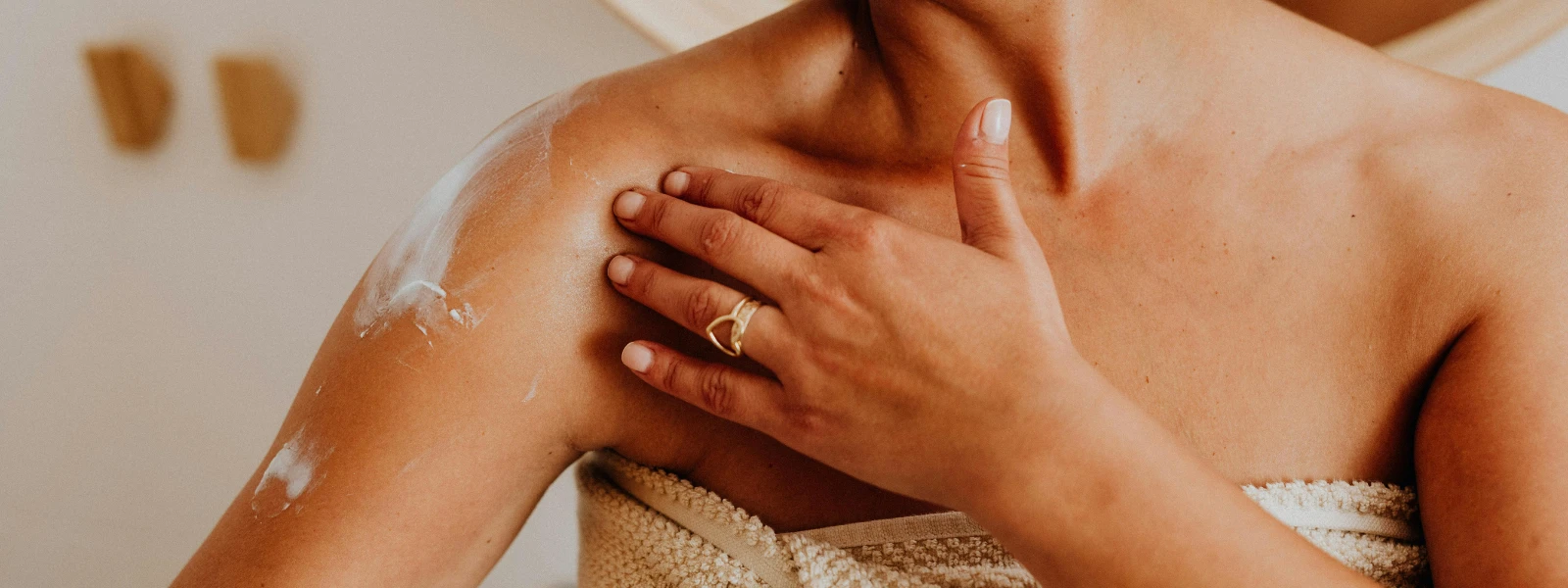
Have you ever noticed dark patches appearing on your skin after repeated rubbing or chafing? You're not alone. Friction hyperpigmentation affects millions of people worldwide, creating stubborn dark spots that can impact confidence and comfort. Understanding why friction causes body pigmentation is the first step toward effective treatment and prevention. This common skin condition occurs when mechanical trauma from rubbing triggers your skin's natural defense mechanisms, leading to increased melanin production and visible darkening in affected areas.
Friction hyperpigmentation is a type of skin darkening that develops when repeated mechanical trauma causes inflammation and subsequent melanin overproduction. Unlike other forms of hyperpigmentation caused by sun damage or hormonal changes, this condition results specifically from physical rubbing or chafing of the skin. The condition typically appears as symmetrical, darkened patches in areas where skin experiences regular friction. Common locations include the underarms, inner thighs, groin area, elbows, and knees. These areas are particularly vulnerable because they contain bony prominences and natural skin folds that increase contact and rubbing.
Unlike melasma or age spots, friction induced melanosis has distinct characteristics. The darkening follows specific patterns that correspond to areas of repeated contact. The patches often have well-defined borders and may be accompanied by skin thickening or a velvety texture.
Friction-related dark patches typically start as light brown discoloration and can progress to deeper brown or black areas over time. The affected skin may feel slightly raised or thickened compared to surrounding areas. This texture change, called lichenification, occurs as the skin responds to chronic irritation.
Understanding the biological mechanisms helps explain why rubbing skin darkens and becomes a persistent concern for many people. The process involves complex interactions between skin cells, inflammatory pathways, and pigment-producing cells called melanocytes. When skin experiences repeated friction, it triggers a cascade of cellular responses designed to protect the underlying tissues. This protective mechanism, while beneficial in the short term, can lead to unwanted cosmetic changes with chronic exposure.
Repeated friction activates inflammatory pathways within the skin. These pathways release chemical signals called cytokines, which communicate with melanocytes to increase melanin production. Melanin acts as the skin's natural sunscreen and protective barrier, but excessive production leads to visible darkening. The process involves keratinocytes, the most abundant skin cells, which transfer melanin from melanocytes to create the protective pigment layer. When this transfer becomes excessive due to chronic inflammation, post-inflammatory hyperpigmentation friction develops.
Certain body areas are more prone to friction-related darkening due to their anatomy. Bony prominence areas like elbows and knees experience increased pressure and rubbing during daily activities. Natural skin folds in the underarms and groin create environments where moisture and friction combine to increase irritation risk. Skin thickness varies across different body regions, with thinner areas being more susceptible to trauma and subsequent pigmentation changes. Areas with less subcutaneous fat padding are particularly vulnerable to mechanical stress.
Identifying the root causes of skin chafing pigmentation helps in developing effective prevention strategies. Multiple factors contribute to the development of friction-related darkening, ranging from clothing choices to individual anatomical features. Understanding these risk factors allows for targeted interventions that can prevent the condition from developing or worsening. Many causes are modifiable through lifestyle changes and proper skincare practices.
Tight-fitting clothing creates constant pressure and rubbing against the skin, particularly in areas like the underarms, waistline, and inner thighs. Synthetic fabrics that don't breathe well can trap moisture and increase friction. Athletic activities involving repetitive movements, such as running or cycling, commonly cause chafing in predictable areas. Occupational hazards also play a role. Jobs requiring repetitive arm movements or prolonged sitting can create friction patterns that lead to darkening over time. Improper undergarments that don't fit correctly contribute significantly to underarm and chest area pigmentation.
Certain individuals are more susceptible to developing dark skin patches friction due to genetic and physiological factors. People with darker skin tones tend to produce more melanin in response to inflammation, making them more prone to visible pigmentation changes. Body weight affects skin fold contact and friction patterns. Areas where skin touches skin, such as under the arms or between thighs, experience increased rubbing. Hormonal changes, particularly during pregnancy or with certain medical conditions, can make skin more reactive to inflammatory triggers.
Effective body pigmentation treatment requires a multi-faceted approach that addresses both the underlying cause and the existing discoloration. Treatment success depends on eliminating the source of friction while using appropriate topical agents to fade existing pigmentation. Patience is essential, as pigmentation changes take time to resolve. Most treatments require consistent use for several months before significant improvement becomes visible. Combining multiple treatment modalities often yields better results than single-agent therapy.
Hydroquinone remains the gold standard for treating hyperpigmentation, working by inhibiting melanin production. Concentrations of 2% are available over-the-counter, while stronger formulations require prescription. Tretinoin enhances skin cell turnover and helps fade existing pigmentation while preventing new dark spots. Alpha hydroxy acids like glycolic acid provide gentle exfoliation that removes pigmented skin cells and promotes new cell growth. Niacinamide offers anti-inflammatory benefits while helping to regulate melanin transfer. Vitamin C formulations provide antioxidant protection and can help brighten existing discoloration.
Chemical peels performed by dermatologists can accelerate pigmentation improvement by removing damaged skin layers. Laser therapy targets melanin deposits directly but requires careful consideration of skin type to avoid complications. Microdermabrasion provides mechanical exfoliation that can help with surface-level pigmentation. Treatment timelines vary significantly based on the severity and duration of pigmentation. Mild cases may show improvement within 6-8 weeks, while established pigmentation can take 6-12 months or longer to fade completely.
Prevention remains the most effective strategy for managing skin discoloration from rubbing. Simple lifestyle modifications and proper skincare practices can prevent new pigmentation from developing and protect existing treated areas from recurring darkening. Consistent prevention efforts are more effective and cost-efficient than treating established pigmentation. Understanding how to prevent friction hyperpigmentation empowers individuals to take control of their skin health.
Choosing properly fitted garments made from breathable, moisture-wicking materials significantly reduces friction risk. Natural fibers like cotton allow better air circulation, while synthetic moisture-wicking fabrics designed for athletic wear can be beneficial during exercise. Anti-chafing products create a protective barrier between skin surfaces or between skin and clothing. These products are particularly useful during athletic activities or in hot, humid conditions where sweating increases friction risk.
Daily moisturizing maintains skin barrier function and reduces friction between skin surfaces. Well-hydrated skin is more resilient to mechanical trauma and less likely to develop inflammatory responses. Gentle cleansing techniques avoid additional irritation while maintaining proper hygiene. Sun protection for affected areas prevents additional pigmentation from UV exposure, which can worsen existing discoloration and make treatment more challenging.
Yes, repeated mechanical trauma from friction stimulates melanocyte activity, leading to increased melanin production and visible darkening of the skin, particularly in areas with bony prominences or natural skin folds.
Frictional melanosis can fade when the source of friction is eliminated. The pigmentation typically lightens gradually over several months to years, though complete resolution varies based on individual factors and the duration of the condition.
Healing time varies significantly based on the severity and duration of pigmentation. Mild cases may improve within 2-3 months, while established pigmentation can take 6-12 months or longer to fade completely with proper treatment.
The fastest approach combines eliminating the friction source with consistent use of topical treatments like hydroquinone or tretinoin. Professional treatments such as chemical peels can accelerate results but should be performed by qualified practitioners.
Friction hyperpigmentation develops through a predictable biological process involving inflammation and increased melanin production. Understanding why friction causes body pigmentation helps in developing effective treatment and prevention strategies. The key to success lies in eliminating the source of friction while using appropriate treatments to fade existing discoloration. Prevention through proper clothing choices, skincare practices, and lifestyle modifications remains the most effective long-term strategy for maintaining healthy, even-toned skin.
