


How Body Acne Forms: Understanding Causes and Prevention
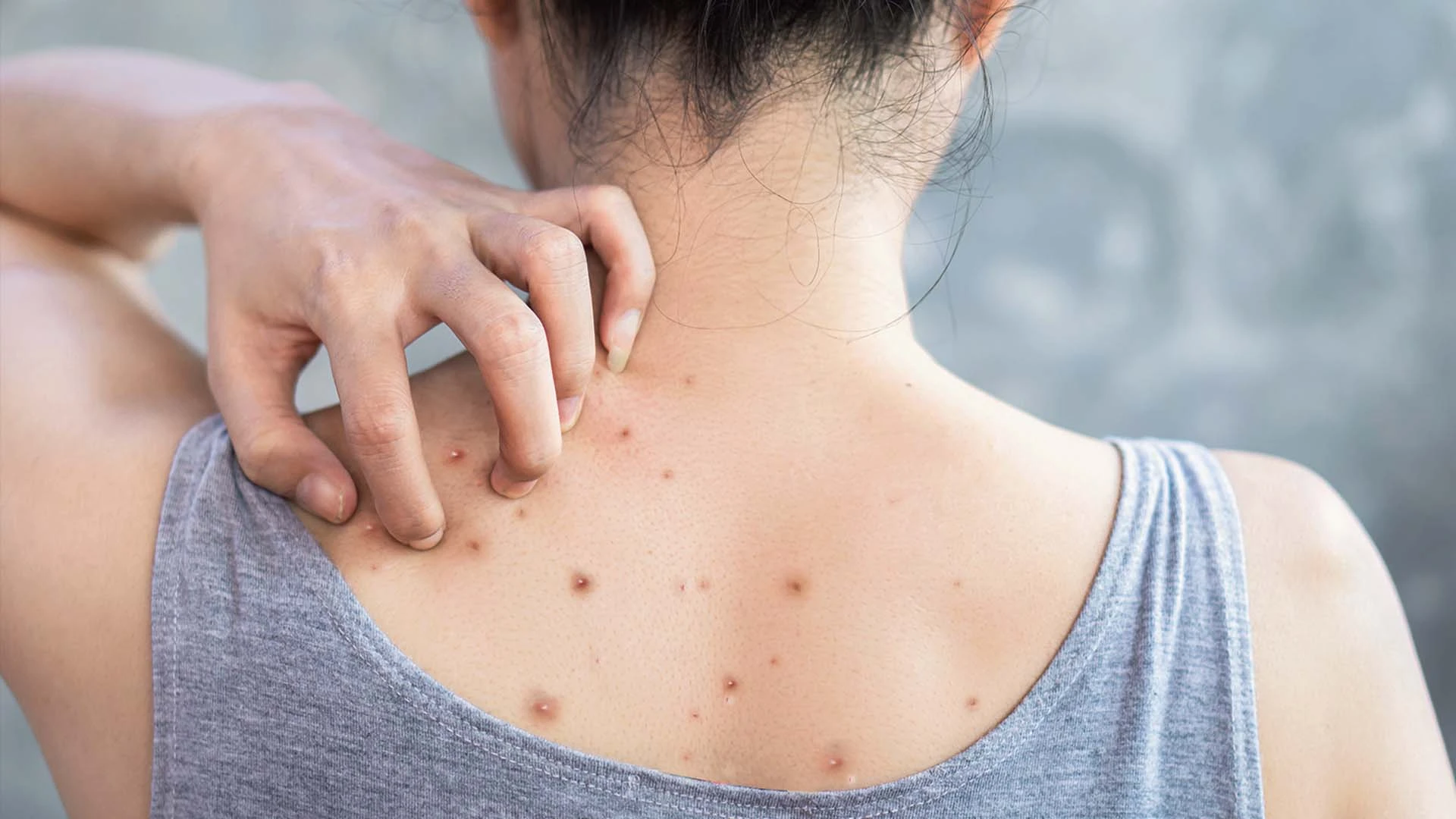
Body acne affects millions of people worldwide, yet many don't understand the complex process behind how these frustrating breakouts develop. Unlike facial acne, body acne presents unique challenges due to different skin thickness, pore sizes, and environmental factors. Understanding how body acne forms is the first step toward effective prevention and treatment. From the science of pore-clogging to the specific triggers that affect areas like your back, chest, and shoulders, this comprehensive guide will help you decode the mystery behind body breakouts and take control of your skin health.
The formation of body acne follows a similar biological process to facial acne, but with some key differences that make it particularly stubborn. Acne vulgaris on the body develops through a multi-step process involving your hair follicles, oil glands, and bacteria.
Body acne begins when dead skin cells accumulate inside hair follicles instead of naturally shedding. Your sebaceous glands produce sebum (natural oil) to keep skin moisturized, but when this oil gets trapped with dead cells, it creates the perfect environment for problems. The bacteria Cutibacterium acnes, which naturally lives on your skin, feeds on this trapped sebum and multiplies rapidly, leading to skin inflammation and the formation of pimples on body areas.
Your back, chest, and shoulders have a higher concentration of sebaceous glands compared to other body areas. These glands are also larger, producing more oil that can easily become trapped. The skin on your body is thicker than facial skin, making it harder for clogged pores to clear naturally, which explains why back acne and chest acne can be so persistent.
Understanding the root body acne causes helps you identify and eliminate triggers in your daily routine. Multiple factors work together to create the perfect storm for body breakouts.
Hormones play a major role in how much oil your skin produces. During puberty, menstruation, pregnancy, or times of stress, androgen levels spike, causing your sebaceous glands to work overtime. This excess oil production significantly increases your risk of developing body acne, particularly in women who may notice breakouts coinciding with their menstrual cycle.
Your daily habits and environment create numerous opportunities for pore-clogging. Excessive sweating during workouts or hot weather provides moisture that bacteria love, while tight clothing, backpacks, and sports equipment create friction that pushes oil and dead skin deeper into pores. Hair care products containing heavy oils or silicones can also run down your back during washing, contributing to shoulder acne and back breakouts.
If your parents struggled with body acne, you're more likely to experience it too. Genetics influence everything from your skin's oil production to how quickly you shed dead skin cells. Certain age groups, particularly teenagers and young adults, face higher risks due to natural hormonal changes during these life stages.
Different areas of your body face unique challenges when it comes to acne formation. Understanding these location-specific triggers helps you target your prevention efforts more effectively.
Back acne often results from hair conditioner and shampoo residue that runs down your back during washing. The back is also difficult to clean thoroughly, leading to buildup of dead skin cells and oils. Sleeping on your back can create friction against bedsheets, while certain sleeping positions may trap sweat and oils against the skin for extended periods.
Chest acne commonly develops due to tight-fitting clothing, especially sports bras and fitted shirts that trap sweat against the skin. The chest area naturally collects sweat, particularly in the cleavage region, creating an ideal environment for bacterial growth. Many people also apply skincare products incorrectly to this area, using facial products that may be too heavy for body skin.
Shoulder acne frequently appears along backpack and bag strap lines, where constant pressure and friction occur. Hair styling products can transfer to shoulders during application, while sunscreen and body lotions may clog pores if they contain comedogenic ingredients. The shoulders also receive significant sun exposure, which can initially improve acne but later cause rebound breakouts.
Not all bumps and breakouts on your body are actually acne. Folliculitis and other skin conditions can mimic body acne, making proper identification crucial for effective treatment.
True acne vulgaris on the body includes blackheads, whiteheads, and inflamed pimples that develop in hair follicles. These breakouts typically appear in areas with high concentrations of oil glands and follow predictable patterns based on your lifestyle and clothing habits.
Folliculitis appears as small, red bumps that may be itchy or tender, often occurring after shaving or in areas where hair follicles become irritated. Unlike acne, folliculitis doesn't typically include blackheads or whiteheads. Heat rash and keratosis pilaris can also be mistaken for body acne but require different treatment approaches.
Preventing body acne is often more effective than treating existing breakouts. Simple changes to your daily routine can significantly reduce your risk of developing pimples on body areas.
Shower immediately after sweating to remove bacteria, oil, and dead skin cells before they can clog pores. Use lukewarm water and gentle, non-comedogenic cleansers to avoid over-drying your skin, which can actually increase oil production. Always change out of sweaty clothes promptly and ensure your skin is completely dry before putting on fresh clothing.
Choose hair care products labeled as non-comedogenic and rinse them thoroughly to prevent residue from running onto your back and shoulders. When applying body lotions or sunscreens, opt for lightweight, oil-free formulations that won't clog pores. Apply hair conditioner only to the mid-lengths and ends of your hair, avoiding the scalp and roots where it can easily transfer to your skin.
Wear loose-fitting, breathable fabrics like cotton that allow air circulation and moisture wicking. Clean workout equipment, backpacks, and sports gear regularly to prevent bacterial buildup. Consider using protective barriers like clean towels between your skin and shared equipment at gyms.
When prevention isn't enough, various body acne treatment options can help clear existing breakouts and prevent future ones. The key is choosing the right approach for your skin type and severity of acne.
Salicylic acid body washes help exfoliate dead skin cells and unclog pores, while benzoyl peroxide products kill acne-causing bacteria. Use these treatments 2-3 times per week initially to avoid over-drying your skin. For spot treatments, apply products containing these ingredients directly to active breakouts.
Consult a dermatologist if over-the-counter treatments don't improve your body acne after 6-8 weeks of consistent use. Prescription medications like topical retinoids or oral antibiotics may be necessary for severe cases. Professional treatments such as chemical peels or light therapy can also be effective for stubborn body acne.
Hyperpigmentation after acne is common, especially on darker skin tones. Prevent dark spots by avoiding picking at breakouts and using sunscreen daily on exposed areas. Ingredients like niacinamide, vitamin C, and kojic acid can help fade existing dark spots over time, though patience is required as results typically take 8-12 weeks to become visible.
The main reason for body acne is the combination of excess oil production, dead skin cell buildup, and bacterial growth in hair follicles. Hormonal changes, friction from clothing, and poor hygiene practices often trigger this process.
Sudden body acne can result from hormonal changes, new medications, increased stress, changes in skincare or hair care products, or lifestyle factors like increased sweating or tight clothing. Consider any recent changes in your routine that might be triggering breakouts.
With consistent treatment, mild body acne typically improves within 6-8 weeks. More severe cases may take 3-4 months to show significant improvement. Individual healing times vary based on skin type, treatment adherence, and underlying causes.
While body acne can be effectively managed and controlled, it's not typically "cured" permanently since the underlying factors like genetics and hormones remain. However, with proper skincare routines and lifestyle modifications, many people can achieve long-term clear skin.
Body acne and facial acne form through the same basic process, but body skin is thicker with larger pores and different environmental challenges. Body acne often requires stronger treatments and takes longer to heal due to these differences.
Understanding how body acne forms empowers you to take targeted action against breakouts. The process involves clogged hair follicles, excess oil production, and bacterial growth, but various factors from hormones to clothing choices influence when and where breakouts occur. Prevention through proper hygiene, appropriate product selection, and lifestyle modifications remains your best defense. When treatment is necessary, consistent use of appropriate products and patience with the healing process will yield the best results. Remember that body acne is a common condition that responds well to proper care, and with the right approach, clear skin is achievable.
