


Diet & Pigmentation: Your Complete Guide
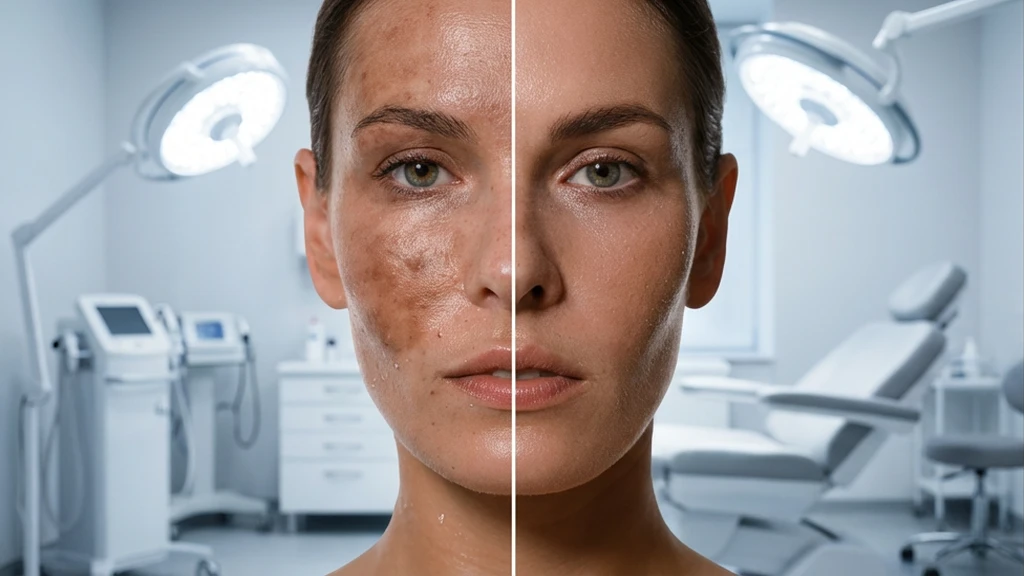
Your skin tells a story, and sometimes that story includes unwanted dark spots, uneven patches, or stubborn discoloration. While topical treatments get much attention, the food on your plate plays a surprisingly powerful role in how your skin looks and feels. Understanding how diet affects pigmentation can be the missing piece in your journey toward clearer, more even-toned skin. The connection between what you eat and your skin's appearance runs deeper than you might think, involving complex pathways that influence melanin production, inflammation, and cellular repair.
Your skin's pigmentation isn't just about genetics or sun exposure. The foods you consume directly influence melanin production through multiple biological pathways. When you understand these connections, you can make informed choices that support your skin health goals.
Melanin production, known as melanogenesis, responds to various dietary factors. Certain nutrients can either stimulate or inhibit the enzyme tyrosinase, which plays a key role in melanin synthesis. Nutrition for skin health involves understanding how specific vitamins, minerals, and compounds interact with your skin cells. The gut-skin axis represents another crucial connection. Your digestive health directly impacts skin appearance through inflammation pathways and nutrient absorption. When your gut processes certain foods, it can trigger inflammatory responses that show up as skin discoloration or worsen existing pigmentation issues.
Clinical studies consistently show that dietary interventions can significantly impact skin pigmentation. Research published in dermatology journals demonstrates that people following anti-inflammatory diets experience improvements in skin tone and reduced hyperpigmentation. Population studies reveal that communities with traditional, whole-food diets tend to have fewer pigmentation disorders compared to those consuming highly processed foods.
Knowing which foods that cause hyperpigmentation can help you make better choices for your skin. These foods don't necessarily cause immediate changes, but regular consumption can contribute to uneven skin tone over time.
Refined carbohydrates and sugary foods spike your blood sugar levels, triggering insulin responses that can stimulate melanin production. This process, called glycation, also creates advanced glycation end products that contribute to skin aging and discoloration. • White bread and pastries • Sugary drinks and sodas • Candy and processed sweets • White rice and instant cereals
While copper is an essential mineral, excessive amounts can overstimulate tyrosinase activity, leading to increased melanin production. The key lies in balance rather than complete avoidance. • Shellfish and organ meats • Nuts and seeds in large quantities • Dark chocolate (in excess) • Certain mushroom varieties
Inflammatory foods create systemic inflammation that can manifest as skin problems, including worsened pigmentation. These foods disrupt your body's natural balance and can trigger post-inflammatory hyperpigmentation. Processed foods containing trans fats, artificial additives, and preservatives create oxidative stress. Some dairy products may trigger hormonal fluctuations that affect skin pigmentation, particularly in sensitive individuals.
Anti-pigmentation foods work by providing nutrients that support healthy melanin production, reduce inflammation, and promote skin repair. Building your meals around these foods creates a foundation for better skin health.
Vitamin C acts as a natural tyrosinase inhibitor, helping regulate melanin production while supporting collagen synthesis. This powerful antioxidant also protects against free radical damage that can worsen pigmentation. • Citrus fruits: oranges, lemons, grapefruits • Berries: strawberries, blueberries, blackberries • Tropical fruits: papaya, kiwi, guava • Vegetables: bell peppers, broccoli, Brussels sprouts
Antioxidants neutralize free radicals that contribute to skin damage and uneven pigmentation. These compounds work synergistically to support your skin's natural repair processes. Pomegranates contain ellagic acid, which has been shown to inhibit melanin production. Fatty fish provide omega-3 fatty acids that reduce inflammation and support skin barrier function. Sweet potatoes offer beta-carotene, which converts to vitamin A and supports skin cell turnover.
Vitamins for pigmentation work through various mechanisms to support even skin tone. Vitamin E protects cell membranes from oxidative damage, while B-complex vitamins support cellular metabolism and skin repair. Zinc plays a crucial role in wound healing and can help fade post-inflammatory hyperpigmentation. Selenium supports glutathione production, your body's master antioxidant that helps protect against pigmentation-causing damage.
Developing a sustainable diet for even skin tone requires understanding your individual needs and preferences. The goal is creating lasting habits that support your skin health goals.
Structuring your meals around anti-inflammatory, nutrient-dense foods provides consistent support for skin health. Focus on incorporating colorful fruits and vegetables, lean proteins, and healthy fats throughout the day. Timing matters too. Consuming vitamin C-rich foods with iron-rich meals enhances absorption, while pairing healthy fats with fat-soluble vitamins improves their utilization.
Proper hydration supports skin cell function and helps flush toxins that can contribute to skin problems. Green tea provides catechins that have anti-inflammatory and photoprotective properties. Antioxidant-rich smoothies combining berries, leafy greens, and healthy fats create powerful skin-supporting meals. Herbal teas like rooibos and chamomile offer additional anti-inflammatory benefits.
While whole foods provide the best nutrient absorption and synergistic effects, certain supplements may be beneficial for specific deficiencies. However, a food-first approach typically offers better results for skin health.
Different types of pigmentation may respond better to specific dietary approaches. Understanding these nuances helps you tailor your nutrition strategy.
Hormonal pigmentation often requires attention to foods that support hormone balance. Cruciferous vegetables help with estrogen metabolism, while foods rich in omega-3 fatty acids can help stabilize hormone levels. During pregnancy, when melasma commonly occurs, focusing on folate-rich foods and avoiding potential triggers becomes especially important.
When dealing with acne-related pigmentation, emphasizing anti-inflammatory foods while avoiding dairy and high-glycemic foods often proves beneficial. Zinc-rich foods support wound healing and may help prevent new pigmentation from forming.
High-glycemic foods like refined sugars and processed carbohydrates can stimulate excess melanin production. Copper-rich foods in large quantities and inflammatory processed foods may also contribute to pigmentation issues.
Yes, dietary changes can significantly impact skin pigmentation over time. Anti-inflammatory diets rich in antioxidants and vitamins C and E have been shown to help reduce hyperpigmentation and support even skin tone.
Skin cell turnover takes approximately 28 days, so you may begin noticing improvements after 4-6 weeks of consistent dietary changes. Significant improvements typically become visible after 2-3 months.
No, copper is an essential mineral. The goal is moderation rather than complete avoidance. Focus on balancing copper intake with zinc and other minerals that support healthy skin function.
Reducing inflammatory foods while increasing antioxidant-rich fruits and vegetables typically provides the most significant impact. Consistent hydration and limiting refined sugars also play crucial roles.
Your journey toward even-toned skin extends far beyond topical treatments. The foods you choose daily either support or hinder your skin's natural balance and repair processes. By understanding how diet affects pigmentation and making informed food choices, you're investing in long-term skin health. Remember that dietary changes work best as part of a comprehensive approach that includes proper skincare, sun protection, and healthy lifestyle habits. Start with small, sustainable changes and be patient with the process. Your skin will thank you for the nourishment you provide from within.
