

Dark Spot Removal: Treatments vs Natural Remedies Compared
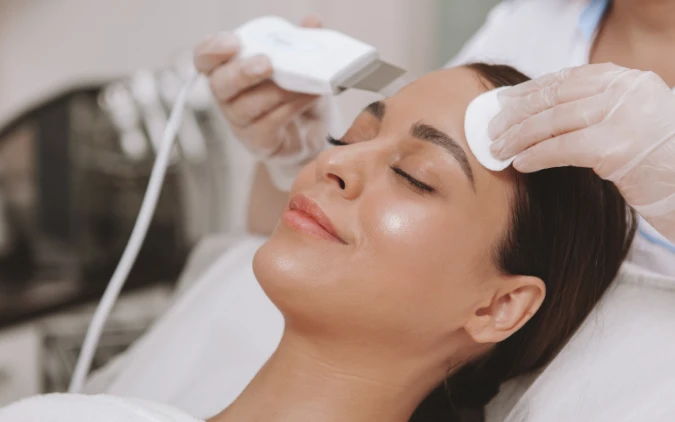
Dark spots can feel like unwelcome guests on your skin that just won't leave. Whether they're from old acne scars, sun damage, or hormonal changes, these stubborn marks can make your skin tone look uneven and affect your confidence. The good news? You have options. From professional treatments that work fast to gentle natural remedies you can try at home, there are many ways to tackle hyperpigmentation. Understanding which approach works best for your skin type, budget, and timeline can help you make the right choice for clearer, more radiant skin.
Understanding why dark spots form is the first step in choosing the right treatment. Melanin overproduction is the main culprit behind most skin discoloration issues. When your skin gets irritated, injured, or exposed to UV rays, it produces extra melanin as a protective response.
Post-inflammatory hyperpigmentation happens after acne, cuts, or other skin injuries heal. The darker the spot, the deeper the melanin has settled into your skin layers. Sun damage creates age spots and sun spots, especially on areas that get the most exposure like your face, hands, and shoulders. Hormonal changes during pregnancy or from birth control can trigger melasma, which shows up as larger patches of discoloration on the cheeks and forehead.
Professional treatments offer the fastest and most dramatic results for dark spot removal. These methods work by either removing the top layers of pigmented skin or breaking down melanin deposits at deeper levels. Most people see significant improvement within 2-6 months, though the exact timeline depends on the severity of your spots and your skin's healing response.
Chemical peels use acids to remove damaged skin layers and reveal fresh, even-toned skin underneath. Light peels with glycolic or lactic acid work well for surface-level spots and require little downtime. Medium-depth peels with TCA (trichloroacetic acid) can tackle deeper pigmentation but need more recovery time. Most people need 3-6 treatments spaced several weeks apart.
Laser treatments target melanin directly without damaging surrounding skin. IPL (Intense Pulsed Light) works great for sun spot removal and general skin brightening. Q-switched lasers can zap individual spots with precision. Fractional lasers create tiny wounds that trigger healing and collagen production while fading pigmentation.
Dermatologists can prescribe powerful ingredients that aren't available over-the-counter. Hydroquinone remains the gold standard for melanin reduction, often combined with tretinoin and a mild steroid for faster results. These prescription treatments typically cost $50-200 but deliver professional-grade results at home.
Natural remedies offer a gentler approach to fade dark spots without harsh chemicals or expensive procedures. While they work more slowly than professional treatments, they're often safer for sensitive skin and won't break the bank. The key is consistency and patience, as most natural methods take 3-6 months to show visible results.
Some natural ingredients have solid research behind their brightening effects. Vitamin C from citrus fruits helps block melanin production and provides antioxidant protection. Kojic acid, found in rice and certain mushrooms, gently inhibits the enzymes that create melanin. Niacinamide from B vitamins helps regulate melanin transfer and reduces inflammation.
Many cultures have used natural ingredients for skin brightening for centuries. Turmeric mixed with yogurt or honey can help reduce inflammation and gently exfoliate. Aloe vera gel soothes skin while providing mild brightening effects. Green tea extracts offer antioxidants that protect against further damage while supporting skin healing.
When trying natural remedies, always patch test first and start slowly. Mix turmeric with a small amount of honey or yogurt to create a gentle mask. Apply fresh aloe vera gel directly to spots twice daily. Brew strong green tea, let it cool, and use it as a toner. Remember that natural doesn't always mean safe for everyone.
OTC products bridge the gap between natural remedies and professional treatments. These dark spot corrector serums and creams contain active ingredients at lower concentrations than prescription options but higher than most natural alternatives. They typically show results in 6-12 weeks with consistent use.
Look for products containing retinol, which speeds up cell turnover to reveal fresh skin. Vitamin C serums provide antioxidant protection while brightening existing spots. Alpha arbutin and kojic acid offer gentle melanin inhibition. Niacinamide helps with overall uneven skin tone while being suitable for sensitive skin types.
The key to success with OTC products is proper application and timing. Use vitamin C in the morning under sunscreen, and save retinol for nighttime. Start with lower concentrations and gradually increase as your skin adjusts. Combining multiple active ingredients can be effective but requires careful introduction to avoid irritation.
Choosing the right hyperpigmentation treatment depends on several factors including your budget, timeline, skin sensitivity, and the severity of your dark spots. Professional treatments work fastest but cost more and may require downtime. Natural remedies are gentlest but take longer to show results.
Professional treatments typically show results in 2-6 months and can achieve 70-90% improvement in pigmentation. OTC products usually take 6-12 weeks for noticeable changes with 40-60% improvement possible. Natural remedies may take 3-6 months or longer, with results varying widely from person to person.
Professional treatments range from $150-800 per session, with most people needing multiple sessions. Quality OTC products cost $15-150 each, and you'll likely need several products for a complete routine. Natural remedies are the most budget-friendly at $20-100 for ingredients that can last months.
The best approach to dark spots is preventing them in the first place. Daily broad-spectrum sunscreen with at least SPF 30 is non-negotiable, even on cloudy days. UV exposure can darken existing spots and create new ones, undoing months of treatment progress.
Avoid picking at acne or other blemishes, as this increases the risk of post-inflammatory hyperpigmentation. Use gentle skincare products that won't irritate your skin and trigger more melanin production. Incorporate antioxidants like vitamin C into your routine to protect against environmental damage that can worsen skin discoloration.
Professional treatments typically show results in 2-6 months, while OTC products take 6-12 weeks. Natural remedies may require 3-6 months of consistent use. Your skin's healing response and the depth of pigmentation affect the timeline.
Natural remedies can significantly fade dark spots but may not completely eliminate them, especially deeper pigmentation. They work best for prevention and mild discoloration. Severe spots often require professional treatment for complete removal.
Yes, but introduce new products gradually and avoid mixing strong actives like retinol and vitamin C in the same application. Start with one treatment and add others slowly to prevent irritation. Always use sunscreen when using any brightening treatments.
Dark spots can return if you don't protect your skin from UV exposure or if the underlying cause (like hormonal changes) persists. Consistent sunscreen use and maintenance treatments help prevent recurrence.
The best approach to dark spot removal depends on your individual needs, skin type, and goals. Professional treatments offer the fastest results but require a bigger investment. Natural remedies provide a gentle, affordable option for those with sensitive skin or mild pigmentation. OTC products offer a middle ground with proven ingredients at accessible prices. Whatever method you choose, consistency and sun protection are essential for achieving and maintaining clear, even-toned skin.
