


Can Dehydration Cause Pigmentation? Your Guide
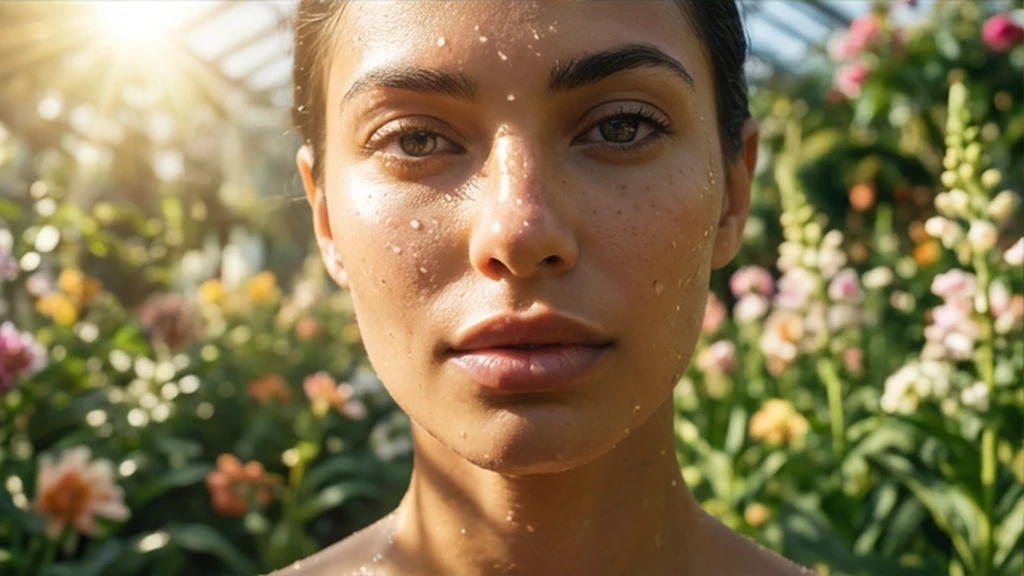
Your skin tells a story, and sometimes that story includes unexpected dark spots or uneven patches that seem to appear out of nowhere. While we often blame the sun or hormones for pigmentation issues, there's another culprit that might surprise you: dehydration. The relationship between water levels in your skin and pigmentation is more complex than you might think. When your skin lacks proper hydration, it can trigger a cascade of cellular responses that actually promote melanin production and create those frustrating dark spots. Understanding this connection can help you take better care of your skin and prevent future pigmentation issues.
Your skin is your body's largest organ, and like every other organ, it needs water to function properly. When dehydration and skin issues combine, the results can be visible in ways you might not expect. Dehydrated skin doesn't just feel tight or look dull – it can actually become more prone to developing dark spots and uneven tone.
When your skin cells don't have enough water, they go into stress mode. This cellular stress triggers inflammatory responses that can stimulate melanocytes – the cells responsible for producing melanin. Think of it as your skin's alarm system going off. The stressed cells send signals that can increase melanin production dehydration creates, leading to darker patches in affected areas. Research shows that dehydrated skin has compromised barrier function, which makes it more reactive to environmental triggers. This heightened reactivity can cause your skin to produce excess melanin as a protective response, even when there's no direct sun exposure involved.
Dehydrated skin loses its ability to reflect light evenly. When your skin cells are plump with water, they create a smooth surface that bounces light back uniformly. But when they're shriveled from lack of moisture, the uneven surface scatters light differently, making existing pigmentation appear more pronounced. The breakdown of your skin's barrier function also plays a role. When this protective layer is compromised due to dehydration, your skin becomes more vulnerable to inflammation, which can trigger post-inflammatory hyperpigmentation.
While UV exposure remains the primary cause of pigmentation, it's not the only factor at play. Pigmentation causes are diverse and often interconnected, with dehydration playing a supporting role in many cases. Understanding these various triggers helps you address pigmentation more effectively. Hormonal changes, particularly during pregnancy or menopause, can trigger melasma. Post-inflammatory hyperpigmentation occurs after acne, cuts, or other skin injuries. Genetic factors also influence how prone you are to developing dark spots. But in all these scenarios, proper hydration can help minimize the severity and duration of pigmentation issues.
UV radiation remains the top trigger for most pigmentation issues. The sun's rays stimulate melanin production as your skin tries to protect itself from damage. Hormonal fluctuations, especially increased estrogen levels, can activate melanocytes and lead to melasma or "pregnancy mask." Post-inflammatory hyperpigmentation develops after any skin trauma or inflammation. This includes acne breakouts, eczema flares, or even aggressive skincare treatments. Your skin produces extra melanin during the healing process, which can leave behind dark marks long after the original issue has resolved.
Dehydration doesn't usually cause pigmentation on its own, but it makes your skin more susceptible to other triggers. When your skin barrier is compromised from lack of moisture, even minor irritants can cause inflammation that leads to dark spots. Dehydrated skin also heals more slowly, which means post-inflammatory hyperpigmentation can last longer and appear darker. The compromised barrier function allows environmental pollutants and allergens to penetrate more easily, creating more opportunities for inflammatory responses.
Recognizing the signs of dehydration-related pigmentation can help you address the issue before it becomes more severe. Dehydrated skin dark spots often have specific characteristics that distinguish them from other types of pigmentation. The key is understanding what to look for and how dehydration manifests visually on your skin. Dehydrated skin typically feels tight, especially after cleansing, and may appear dull or lackluster. You might notice that your makeup doesn't apply as smoothly, or that fine lines seem more prominent. These are all signs that your skin needs more moisture.
Dull, ashy complexion that lacks natural radiance is often the first sign. Your skin may look gray or lifeless, even if you're using brightening products. Uneven skin tone with patchy dark areas becomes more noticeable when skin lacks proper hydration. Fine lines and wrinkles can make existing pigmentation appear more pronounced. When skin cells are dehydrated, they shrink, creating tiny shadows that emphasize any color variations. Rough texture prevents light from reflecting evenly, making dark spots appear larger and more obvious than they actually are.
When you ask does lack of water cause dark spots, the answer involves understanding cellular biology. Dehydrated cells can't perform their normal functions efficiently, including DNA repair mechanisms that help prevent and correct pigmentation issues. Oxidative stress increases in water-depleted skin cells, leading to more free radical damage. This damage can trigger melanin production as your skin tries to protect itself. The compromised barrier function also allows more environmental toxins to penetrate, creating additional oxidative stress.
The relationship between hyperpigmentation and water intake extends beyond just topical hydration. What you drink and eat affects your skin's ability to maintain proper moisture levels and fight off pigmentation triggers. Your internal hydration status directly impacts how well your skin can repair itself and maintain an even tone. Proper hydration supports optimal blood circulation, which delivers nutrients to skin cells and helps remove waste products. When you're dehydrated, this process slows down, potentially allowing toxins to accumulate and trigger inflammatory responses that can lead to pigmentation.
Water is essential for every cellular process in your skin. It helps transport nutrients to cells and carries away waste products that could otherwise cause inflammation. Proper hydration also supports the production of new, healthy skin cells that can gradually replace pigmented ones. Enhanced circulation from adequate water intake means better oxygen delivery to skin cells. This improved oxygenation supports cellular repair processes and helps prevent the oxidative stress that can trigger excess melanin production.
Most experts recommend about eight glasses of water daily, but your individual needs may vary based on activity level, climate, and overall health. If you're dealing with pigmentation issues, you might benefit from slightly higher intake to support skin repair processes. Signs that your skin needs more internal hydration include persistent dullness, slow healing of blemishes, and increased sensitivity to skincare products. Hydrating foods like watermelon, cucumber, and leafy greens can supplement your water intake and provide additional skin-supporting nutrients.
Skin discoloration dehydration requires a multi-faceted approach that addresses both immediate hydration needs and long-term skin health. The good news is that dehydration-related pigmentation often responds well to consistent hydration protocols, though patience is required as skin cells take time to renew. Effective treatment involves both internal and external hydration strategies. You need to drink enough water while also using skincare products that help your skin retain moisture and repair its barrier function.
Start with gentle, hydrating cleansers that don't strip your skin's natural oils. Follow with a hydrating toner or essence containing ingredients like hyaluronic acid, which can hold up to 1,000 times its weight in water. Layer lightweight, hydrating serums under your moisturizer. Look for products containing ceramides, niacinamide, or peptides that support barrier repair. Apply moisturizer to slightly damp skin to help lock in extra hydration.
Consistency is key for addressing uneven skin tone dehydration creates. Establish a routine that includes gentle exfoliation to remove dead skin cells that can make pigmentation appear worse. Use a humidifier in dry environments to prevent moisture loss. Protect your skin from environmental stressors that can worsen dehydration and pigmentation. This includes using broad-spectrum sunscreen daily and avoiding harsh weather conditions when possible.
While proper hydration supports your skin's natural healing processes, water alone won't eliminate existing pigmentation. However, staying well-hydrated can help prevent new dark spots from forming and may help existing ones fade more quickly by supporting cellular turnover and repair mechanisms.
You may notice improved skin texture and radiance within a few days of better hydration, but pigmentation changes take longer. Since skin cells renew approximately every 28 days, you'll need at least 6-8 weeks of consistent hydration to see meaningful improvements in pigmentation.
Yes, dehydrated skin can make existing dark spots appear more prominent. When skin lacks moisture, it loses its ability to reflect light evenly, making pigmentation more noticeable. Proper hydration can help minimize the appearance of existing spots while preventing new ones.
Dry skin lacks oil, while dehydrated skin lacks water. Both conditions can contribute to pigmentation issues, but they require different treatment approaches. Dehydrated skin needs water-based hydrating products, while dry skin benefits more from oil-based moisturizers and occlusives.
The connection between dehydration and pigmentation is real and scientifically backed. When your skin lacks proper hydration, it becomes more prone to inflammation, slower healing, and increased melanin production. While dehydration alone rarely causes severe pigmentation, it can worsen existing issues and make your skin more susceptible to other pigmentation triggers. The good news is that hydration for skin health is something you can control. By maintaining proper internal hydration through adequate water intake and supporting your skin's moisture barrier with appropriate skincare products, you can help prevent dehydration-related pigmentation and support your skin's natural healing processes. Remember that consistency is key, and improvements in pigmentation take time as your skin cells gradually renew themselves.
