

Arbutin Secrets: How It Reduces Dark Spots Naturally
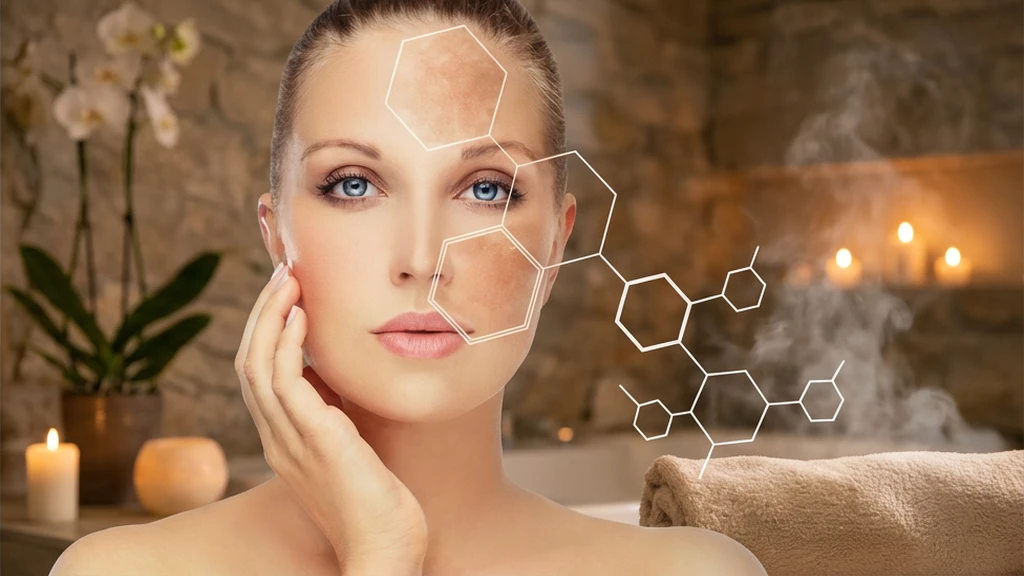
Dark spots can feel like unwelcome guests that overstay their welcome on your skin. Whether they're from sun damage, acne scars, or hormonal changes, these stubborn marks affect millions of people worldwide. While harsh chemical treatments promise quick fixes, they often come with irritation and long-term concerns. Enter arbutin – nature's gentle answer to hyperpigmentation. This plant-derived ingredient offers a safer, more sustainable path to brighter, more even-toned skin. If you've been searching for a natural solution that actually works, understanding how arbutin reduces dark spots could be your game-changer. Let's dive into the science behind this remarkable ingredient and discover why it's becoming the go-to choice for those seeking effective yet gentle dark spot treatment.
Arbutin is a naturally occurring compound found in the leaves of bearberry plants, as well as in pears and wheat. This powerful ingredient has gained recognition as one of the most effective natural skin lighteners available today. The magic lies in how arbutin reduces dark spots at the cellular level, making it a cornerstone of modern hyperpigmentation treatment. The science behind arbutin's effectiveness centers on its ability to inhibit tyrosinase, the key enzyme responsible for melanin production. When your skin produces excess melanin in response to triggers like UV exposure or inflammation, dark spots form. Arbutin steps in to block this process, preventing new melanin formation while gradually fading existing pigmentation.
Unlike harsh chemicals that can damage skin cells, arbutin works gently by mimicking the structure of tyrosine, the amino acid that tyrosinase converts into melanin. This clever molecular mimicry allows arbutin to occupy the enzyme's active sites without triggering the pigmentation cascade. The result is effective melanin reduction without the irritation commonly associated with stronger alternatives like hydroquinone.
Not all arbutin is created equal. Alpha arbutin is the more stable and potent form, offering superior results for dark spot treatment. While beta arbutin occurs naturally in plants, alpha arbutin is synthesized to provide consistent potency and better skin penetration. Studies show alpha arbutin is up to ten times more effective than its beta counterpart, making it the preferred choice for serious hyperpigmentation concerns.
The arbutin benefits extend far beyond simple spot fading. Clinical research demonstrates that regular use of arbutin can lead to significant improvements in overall skin tone and texture. Unlike aggressive treatments that may cause rebound pigmentation, arbutin provides sustainable results that improve over time. Research shows that consistent arbutin use can reduce the appearance of dark spots by up to 60% within 12 weeks. This timeline aligns with your skin's natural renewal cycle, allowing for gradual, healthy improvement without shocking your skin into defensive responses.
Multiple studies support arbutin's effectiveness as a hyperpigmentation remedy. In one notable clinical trial, participants using 2% alpha arbutin showed measurable improvement in skin brightness after just four weeks, with optimal results appearing between 8-12 weeks. The key is patience and consistency – arbutin works with your skin's natural processes rather than forcing rapid changes.
Arbutin excels at treating various forms of hyperpigmentation. Sun spots, age spots, and post-inflammatory hyperpigmentation from acne all respond well to arbutin treatment. The ingredient is particularly effective for uneven skin tone correction, helping to create a more uniform complexion overall. However, it's important to note that very deep or long-established pigmentation may require longer treatment periods or combination therapies.
Proper application is crucial for achieving the best results with alpha arbutin serum. The key lies in consistency, correct concentration, and strategic layering with other skin brightening ingredients. Most dermatologists recommend starting with a 1-2% concentration to allow your skin to adjust gradually. Timing matters when it comes to arbutin application. While the ingredient is photostable and can be used during the day, many people prefer evening application to maximize absorption without interference from makeup or environmental factors.
Begin with clean, dry skin and apply a few drops of arbutin serum to affected areas. Gently pat the product into your skin, allowing full absorption before applying moisturizer. For morning use, always follow with broad-spectrum sunscreen to prevent new pigmentation from forming. Evening application allows for deeper penetration and works synergistically with your skin's natural repair processes.
Arbutin plays well with many other skincare ingredients. Vitamin C enhances its brightening effects, while niacinamide helps reduce inflammation that can trigger new pigmentation. Hyaluronic acid provides essential hydration that supports healthy skin turnover. However, avoid combining arbutin with benzoyl peroxide, as this can reduce effectiveness and increase irritation risk.
More isn't always better with arbutin. Over-application can lead to irritation without improving results. Stick to recommended amounts and frequencies. Skipping sunscreen is perhaps the biggest mistake – UV exposure can undo months of progress in days. Inconsistent use also hampers results, as arbutin requires steady application to maintain its pigmentation-blocking effects.
One of arbutin's greatest advantages is its excellent safety profile. Unlike hydroquinone, which has been linked to various concerns including ochronosis, arbutin offers effective pigmentation removal with minimal risk. Most people tolerate arbutin well, even those with sensitive skin. The ingredient's gentle nature makes it suitable for long-term use, which is often necessary for maintaining results. This sustainability factor sets arbutin apart from harsher alternatives that may provide quick results but aren't suitable for ongoing maintenance.
Arbutin is generally safe for all skin types and tones. However, pregnant and breastfeeding women should consult healthcare providers before use, as comprehensive safety data for these populations is limited. People with known allergies to bearberry or related plants should also exercise caution.
Mild irritation during the first few weeks of use is normal as your skin adjusts. This typically manifests as slight redness or tingling that subsides with continued use. Patch testing before full application helps identify any sensitivity issues. If irritation persists beyond two weeks or worsens, discontinue use and consult a dermatologist.
Most people notice initial improvements within 4-6 weeks of consistent use. Significant results typically appear between 8-12 weeks, with optimal outcomes achieved after 3-6 months of regular application.
Yes, arbutin works well with vitamin C, niacinamide, and kojic acid. However, avoid combining it with benzoyl peroxide or strong acids without professional guidance, as these combinations may cause irritation.
Arbutin is gentle enough for daily use, both morning and evening. Start with once daily application and gradually increase frequency as your skin adjusts to prevent any initial sensitivity.
Arbutin doesn't provide permanent results. Dark spots may gradually return if you stop treatment and don't maintain proper sun protection. Many people use arbutin as part of a long-term maintenance routine.
Yes, arbutin is safe and effective for all skin tones. Unlike some lightening agents that can cause uneven results on darker skin, arbutin provides consistent, natural-looking improvement across all ethnicities.
Arbutin represents a breakthrough in natural skincare, offering effective dark spot reduction without the harsh side effects of traditional treatments. Its gentle yet powerful approach to melanin reduction makes it an ideal choice for anyone seeking sustainable improvement in their skin tone. Remember that patience and consistency are key – while arbutin may work more gradually than aggressive alternatives, the results are safer and more sustainable. By incorporating this remarkable ingredient into your routine and maintaining proper sun protection, you're investing in long-term skin health and natural radiance. The journey to clearer, more even-toned skin doesn't have to involve harsh chemicals or dramatic interventions. Sometimes, nature's gentle approach provides the most beautiful and lasting results.
