

Arbutin for Even Skin Tone: Complete Guide
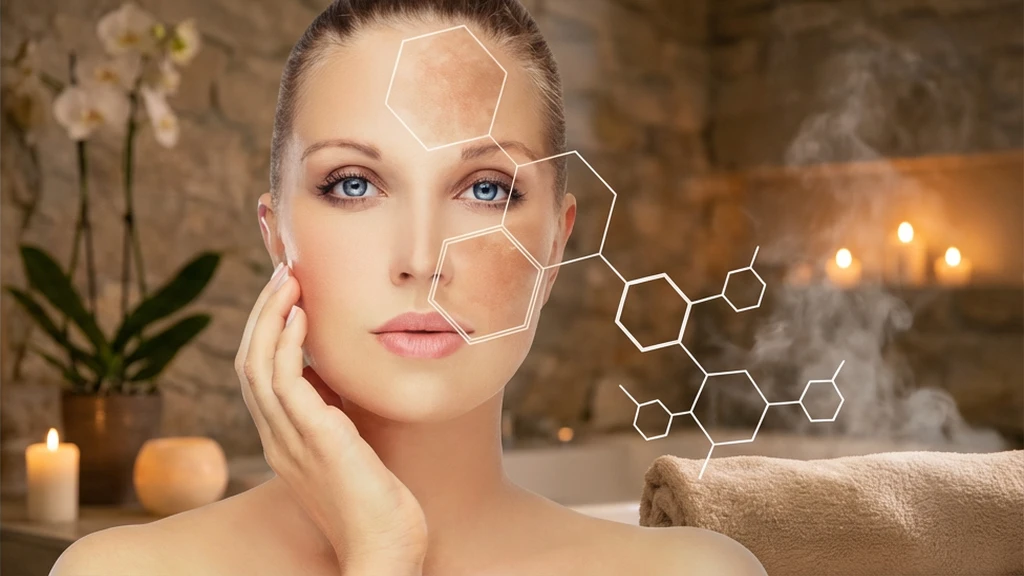
Dealing with uneven skin tone can feel frustrating. Dark spots, age spots, and patches of discoloration seem to appear out of nowhere. You've probably tried countless products promising brighter skin. But have you heard about arbutin? This gentle yet effective ingredient is changing how we approach skin brightening and hyperpigmentation treatment. Unlike harsh chemicals, arbutin works naturally with your skin to fade unwanted pigmentation. It's becoming a favorite among skincare enthusiasts who want results without irritation. Let's explore how arbutin for even skin tone can transform your complexion safely and effectively.
Arbutin is a natural skin lightener derived from plants like bearberry, cranberry, and pear. Think of it as nature's gentle answer to harsh bleaching agents. This powerful compound belongs to a group called glycosides, which means it's naturally occurring and skin-friendly. There are two main types you'll encounter: alpha arbutin and beta arbutin. Alpha arbutin is the synthetic version that's more stable and potent. Beta arbutin occurs naturally in plants but breaks down more easily. Most skincare products use alpha arbutin because it delivers better results.
Arbutin works by blocking an enzyme called tyrosinase. This enzyme is responsible for making melanin, the pigment that gives your skin its color. When you have too much melanin in certain areas, you get dark spots and uneven tone. By gently inhibiting tyrosinase, arbutin helps reduce excess melanin reduction where you don't want it.
Many people compare arbutin to hydroquinone, a controversial skin lightening ingredient. While hydroquinone can cause irritation and even permanent skin damage, arbutin offers similar benefits without the risks. It's gentler on your skin and suitable for long-term use.
If you're dealing with stubborn dark spots, alpha arbutin might be your new best friend. This ingredient excels at targeting various types of skin discoloration. Whether you're battling melasma from hormonal changes or age spots from sun damage, arbutin can help. Post-inflammatory hyperpigmentation is another area where arbutin shines. You know those dark marks left behind after acne heals? Arbutin helps fade these spots gradually and safely. It's particularly effective for people with sensitive skin who can't tolerate stronger treatments.
Studies show that arbutin can reduce pigmentation by up to 60% when used consistently. Most people start seeing improvements within 4-6 weeks of regular use. However, deeper pigmentation may take 8-12 weeks to show significant fading. The key is patience and consistency.
Arbutin works on multiple types of skin discoloration: • Melasma and hormonal pigmentation • Sun spots and age spots • Post-acne marks and scars • Freckles and uneven patches • General skin tone irregularities
Using arbutin serum correctly makes all the difference in your results. The good news is that it's pretty straightforward once you know the basics. Most dermatologists recommend starting with a 2% concentration for optimal uneven skin tone correction. Timing matters when it comes to arbutin application. You can use it both morning and evening, but many people prefer evening application. This allows the ingredient to work overnight without interference from makeup or environmental factors.
Start with clean, dry skin. Apply your arbutin serum after cleansing but before heavier creams or oils. Use gentle patting motions to work the product into your skin. Focus on areas with visible pigmentation, but you can apply it to your entire face for overall tone evening.
Begin with every other day application to let your skin adjust. Most people can work up to daily use within a week or two. If you experience any irritation, reduce frequency or try a lower concentration. Remember, more isn't always better with active ingredients.
Building an effective skin brightening routine around arbutin requires some planning. The good news is that arbutin plays well with many other skincare ingredients. This makes it easy to incorporate into your existing routine. Vitamin C and arbutin make an excellent team for brightening. Use vitamin C in the morning and arbutin in the evening for maximum benefits. Hyaluronic acid is another perfect partner that helps keep your skin hydrated while arbutin works on pigmentation.
These ingredients work beautifully with arbutin: • Hyaluronic acid for hydration • Niacinamide for pore refinement • Vitamin C for antioxidant protection • Peptides for anti-aging benefits • Gentle moisturizers and sunscreen
While arbutin is gentle, some combinations need careful timing. Retinoids and arbutin can be used together, but start slowly. Apply them on alternating nights initially. Strong acids like glycolic acid should also be introduced gradually to avoid over-exfoliation.
One of the biggest arbutin benefits is its excellent safety profile. Most people can use arbutin without experiencing significant side effects. It's much gentler than many other brightening ingredients, making it suitable for sensitive skin types. However, like any active ingredient, arbutin can occasionally cause mild irritation. Some people experience slight redness or tingling when they first start using it. These effects usually subside as your skin adjusts to the ingredient.
Many pregnant and breastfeeding women wonder about arbutin safety. While arbutin is generally considered safe, it's always best to consult your healthcare provider before starting any new skincare ingredient during pregnancy or nursing.
Stop using arbutin if you experience persistent irritation, burning, or unusual skin reactions. Some people may be sensitive to the ingredient despite its gentle nature. Always listen to your skin and adjust your routine accordingly.
Not all arbutin products are created equal. When shopping for an arbutin serum, look for products that list alpha arbutin as one of the first few ingredients. This indicates a higher concentration and better potential results. Concentration matters, but higher isn't always better. A 2% alpha arbutin concentration is considered the sweet spot for most people. Lower concentrations may be less effective, while higher ones don't necessarily provide better results.
Water-based serums tend to absorb quickly and work well under other products. Oil-based formulations may be better for dry skin types but can feel heavy. Consider your skin type and preferences when choosing between different formulations.
High-quality arbutin products should: • List alpha arbutin in the first 5 ingredients • Include stabilizing ingredients • Come in dark or opaque packaging • Have a clear concentration percentage • Include complementary hydrating ingredients
Yes, alpha arbutin is excellent for evening skin tone. It works by inhibiting melanin production in areas of hyperpigmentation while leaving your natural skin color unchanged. Most people see noticeable improvements in skin tone evenness within 6-8 weeks of consistent use.
Arbutin typically takes 4-12 weeks to show visible results for uneven skin tone correction. Surface-level discoloration may improve in 4-6 weeks, while deeper pigmentation can take 8-12 weeks. Consistency is key - daily use produces better results than sporadic application.
Arbutin doesn't permanently whiten your natural skin color. Instead, it fades areas of excess pigmentation like dark spot remover action on age spots, melasma, and post-acne marks. Your natural skin tone remains unchanged. Results are long-lasting but require maintenance to prevent new pigmentation.
Arbutin is generally considered safer than many other brightening ingredients during pregnancy. However, hormonal changes during pregnancy can affect skin sensitivity. Always consult your healthcare provider before starting new skincare ingredients while pregnant or breastfeeding.
Yes, arbutin and vitamin C work beautifully together for skin brightening. Use vitamin C in the morning for antioxidant protection and arbutin in the evening for pigmentation treatment. This combination provides comprehensive brightening benefits without overwhelming your skin.
Alpha arbutin is synthetic and more stable, providing consistent results. Beta arbutin occurs naturally in plants but breaks down more easily. Alpha arbutin is generally more effective for treating hyperpigmentation treatment and is found in most quality skincare products.
Arbutin offers a gentle yet effective path to more even skin tone. This natural skin lightener works by reducing excess melanin production without harsh side effects. Whether you're dealing with age spots, melasma, or post-acne marks, arbutin can help fade these concerns safely. Remember that consistency is crucial for success with arbutin. Start slowly, be patient with results, and always use sunscreen to prevent new pigmentation. With proper use, arbutin can help you achieve the brighter, more even complexion you've been seeking. Your journey to clearer skin doesn't have to involve harsh chemicals - sometimes nature provides the gentlest and most effective solutions.
