

Arbutin for Acne Scars: Your Complete Guide
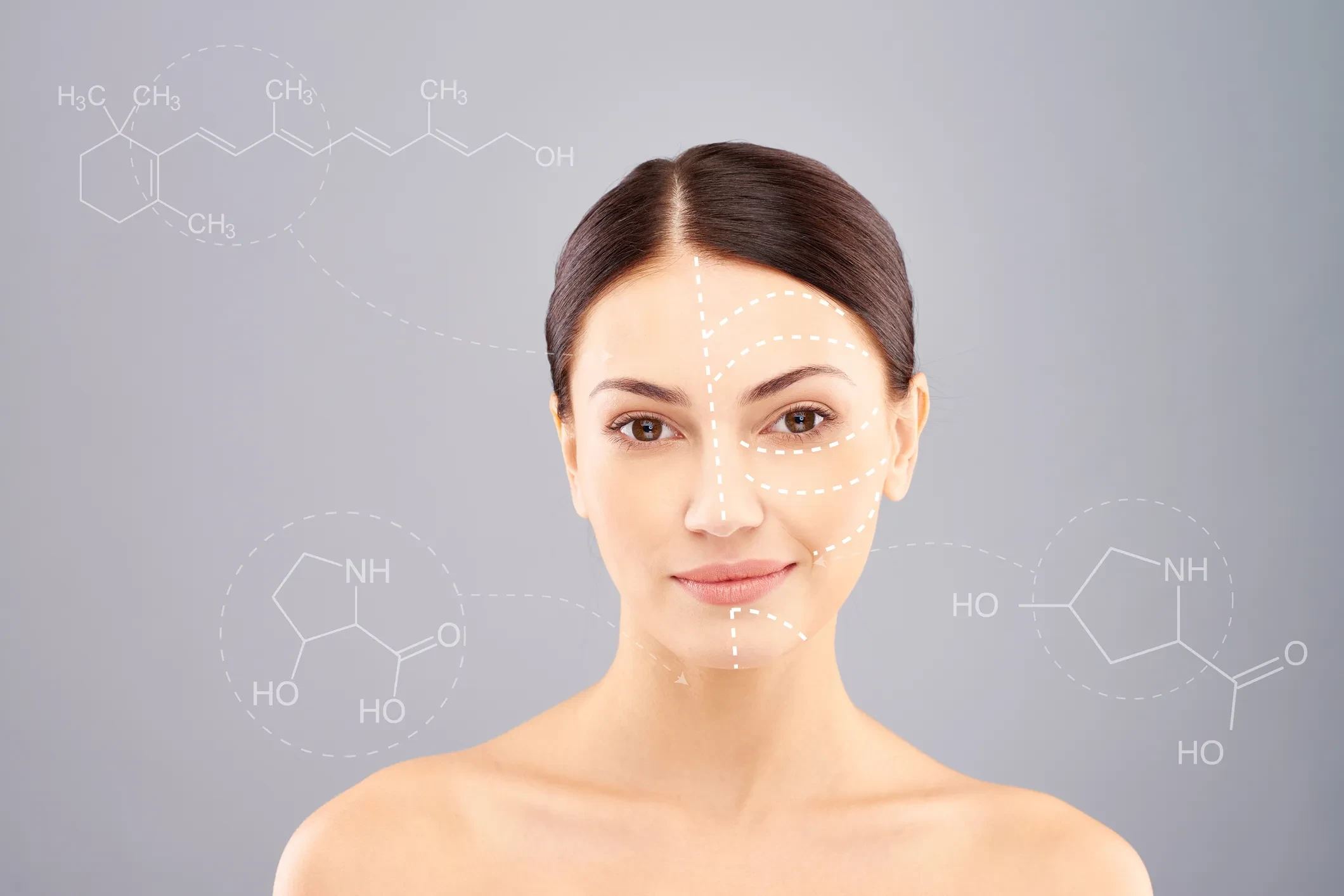
Dealing with acne scars can feel overwhelming, especially when dark spots linger long after breakouts heal. You're not alone in this struggle – millions of people search for effective solutions to fade these stubborn marks. Arbutin for acne scars has emerged as a gentle yet powerful ingredient that targets post-inflammatory hyperpigmentation without harsh side effects. This naturally derived compound works by inhibiting melanin production, helping to gradually lighten dark spots and even out skin tone. Whether you're dealing with fresh acne marks or older scars, understanding how arbutin works can help you make informed decisions about your skincare routine.
Arbutin is a naturally occurring compound found in plants like bearberry, cranberry, and pear. There are two main types: alpha arbutin and beta arbutin, with alpha being more stable and effective for skincare. When you develop acne, the inflammation triggers your skin to produce excess melanin in the affected area. This creates those frustrating dark spots that can persist for months or even years after the original pimple heals.
Arbutin works by blocking tyrosinase, the enzyme responsible for melanin production. Think of tyrosinase as the switch that turns on pigment creation – arbutin essentially dims this switch. Clinical studies show that arbutin benefits for skin include reducing melanin synthesis by up to 76% when used consistently. This makes it particularly effective for treating post-inflammatory hyperpigmentation from acne.
When acne inflames your skin, your body's natural response is to send melanocytes into overdrive. These cells pump out extra melanin to protect the damaged area. Unfortunately, this protective mechanism often goes too far, creating those persistent dark marks that can take months to fade naturally.
Choosing the right treatment for acne scars can be confusing with so many options available. Arbutin vs hydroquinone is a common comparison, as both target hyperpigmentation but work differently. Hydroquinone is more aggressive and can cause irritation, especially on sensitive skin. Arbutin offers similar results with a gentler approach, making it suitable for long-term use without the risk of ochronosis (skin darkening) that sometimes occurs with hydroquinone.
Vitamin C works as an antioxidant and mild brightener, but arbutin specifically targets the melanin production pathway. Kojic acid can be effective but often causes sensitivity and staining. Niacinamide helps with overall skin texture but doesn't directly inhibit melanin like arbutin does. Many dermatologists prefer arbutin because it delivers consistent results without the harsh side effects common with other brightening agents.
As one of the most effective natural skin brighteners, arbutin offers a plant-based alternative to synthetic ingredients. This makes it appealing to those seeking cleaner beauty options without sacrificing effectiveness.
Arbutin hyperpigmentation treatment works through a gradual process that requires patience and consistency. Research shows that 2-4% concentrations of alpha arbutin can significantly reduce dark spot intensity over 8-12 weeks. The key is understanding that arbutin skin brightening happens slowly as your skin naturally sheds pigmented cells and replaces them with new, evenly toned skin.
Studies demonstrate that regular use of arbutin can reduce the appearance of arbutin for dark spots by 30-60% within three months. The most dramatic improvements typically occur between weeks 6-12 of consistent use. Your skin type and the age of your acne scars will influence how quickly you see results.
Fresh acne marks (less than 6 months old) respond faster to arbutin treatment than older scars. Most people notice initial improvements around week 4, with significant changes becoming visible by week 8. Complete fading of dark spots can take 3-6 months of consistent use.
Learning how to fade acne scars with arbutin requires proper application technique and patience. Start with a lower concentration (1-2%) to test your skin's tolerance, then gradually increase if needed. Always perform a patch test on a small area of skin before full application.
Begin with clean skin and apply arbutin products to slightly damp skin for better absorption. Use gentle patting motions rather than rubbing, focusing on areas with visible scarring. Follow with a moisturizer to prevent dryness, and always use SPF during the day as arbutin can increase photosensitivity.
Start using arbutin 2-3 times per week in the evening, gradually increasing to daily use as your skin adjusts. Morning application is possible but requires diligent sun protection. Evening use is generally preferred as it allows the ingredient to work without UV interference.
Arbutin serum for scars typically contains higher concentrations and penetrates deeper into the skin. Serums work faster but may cause more initial dryness. Arbutin cream for acne scars provides sustained release with added moisturizing benefits, making them ideal for sensitive or dry skin types.
Alpha arbutin for acne products come in various forms, each with unique benefits. Serums offer concentrated treatment, while creams provide all-day hydration. Look for products that combine arbutin with complementary ingredients like hyaluronic acid or niacinamide for enhanced results.
Effective arbutin products typically contain 1-4% alpha arbutin. Beginners should start with 1-2% concentrations, while experienced users can handle up to 4%. Higher concentrations aren't necessarily better and may increase irritation risk without improving results.
Most people see initial improvements within 4-6 weeks of consistent use. Significant fading of acne scars typically occurs between 8-12 weeks, with complete results taking 3-6 months depending on scar age and severity.
Yes, arbutin pairs well with many ingredients. It works particularly well with niacinamide, hyaluronic acid, and vitamin C. However, introduce new products gradually and avoid combining with harsh exfoliants initially.
Arbutin is generally well-tolerated by sensitive skin types. It's much gentler than hydroquinone or kojic acid while still providing effective results. Always patch test first and start with lower concentrations.
Arbutin can help fade older acne scars, but results take longer compared to fresh marks. Scars older than two years may require 4-6 months of consistent use to see significant improvement.
Alpha arbutin is more stable and effective than beta arbutin. It penetrates skin better and provides more consistent results for treating acne scars and hyperpigmentation.
While arbutin is generally considered safer than hydroquinone, pregnant women should consult their healthcare provider before using any new skincare ingredients.
Arbutin offers a gentle yet effective approach to fading acne scars and hyperpigmentation. Its natural origin and excellent safety profile make it suitable for long-term use, even on sensitive skin. Remember that consistency is crucial – results develop gradually over months, not weeks. Start with lower concentrations, always use sun protection, and be patient with the process. With proper use, arbutin can significantly improve the appearance of acne scars while supporting overall skin health and radiance.
