


Alpha Arbutin vs. Hydroquinone: Which is Safer for Hyperpigmentation?
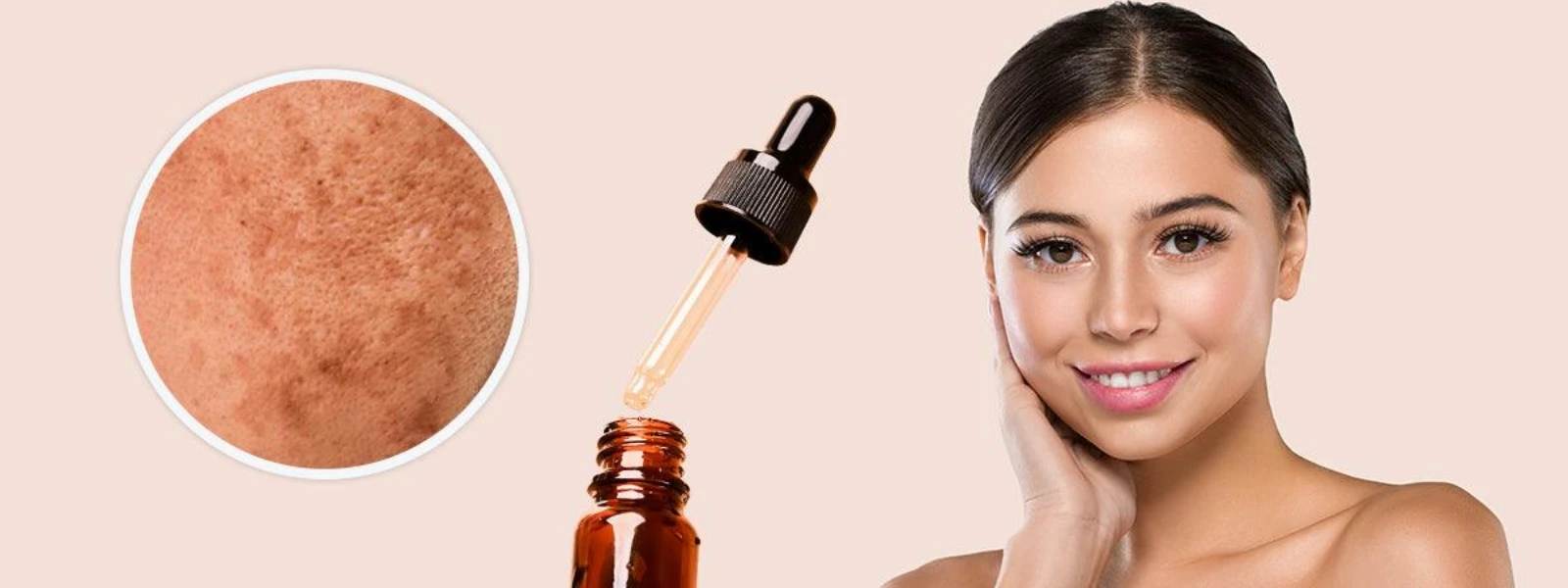
When it comes to treating hyperpigmentation, the choice between alpha arbutin and hydroquinone can feel overwhelming. Both ingredients promise to fade dark spots and even skin tone, but their safety profiles tell very different stories. While hydroquinone has been the gold standard for decades, growing concerns about its long-term effects have led dermatologists and skincare enthusiasts to embrace alpha arbutin safe alternatives. This gentle yet effective ingredient offers a promising solution for those seeking hyperpigmentation treatment without the harsh side effects. Understanding the science behind these ingredients helps you make an informed choice for your skin's health and safety.
Alpha arbutin stands out as a remarkably safe option for treating hyperpigmentation because of its gentle mechanism of action. Unlike hydroquinone, which can cause cellular damage with prolonged use, alpha arbutin safe formulations work by gradually inhibiting tyrosinase, the enzyme responsible for melanin production. This slower, more controlled approach means your skin experiences less irritation while still achieving visible results.
Clinical studies consistently show that alpha arbutin maintains its effectiveness without the concerning side effects associated with hydroquinone. The molecular structure of alpha arbutin allows for controlled release of its active components, preventing the sudden shock to melanocytes that can occur with harsher alternatives. This makes it suitable for long-term use, addressing one of the biggest limitations of traditional hyperpigmentation treatment options.
The alpha arbutin benefits extend far beyond simple skin brightening. This powerful ingredient works as a tyrosinase inhibitor, effectively reducing melanin reduction at the source without disrupting your skin's natural barrier function. Unlike aggressive treatments that can leave skin vulnerable and sensitized, alpha arbutin provides antioxidant protection while it works.
What makes arbutin for skin particularly appealing is its gradual approach to pigmentation correction. Rather than forcing rapid changes that can lead to rebound pigmentation or skin sensitivity, alpha arbutin allows your skin to adjust naturally. This gentle process means you can use it consistently without the cycling on and off required with stronger ingredients.
Alpha arbutin can be derived from natural sources like bearberry plants or created synthetically in laboratories. Both forms offer similar benefits, but synthetic versions often provide more consistent potency. The ingredient works by competing with tyrosine for the tyrosinase enzyme, effectively slowing down melanin production without completely stopping it.
Research shows that alpha arbutin can reduce melanin content by up to 60% in treated areas when used consistently over 12 weeks. This impressive efficacy rate, combined with its excellent safety profile, explains why dermatologists increasingly recommend it as a first-line treatment for hyperpigmentation.
While alpha arbutin side effects are generally mild compared to other lightening agents, it's important to understand what to expect. The most common reactions include temporary redness, mild irritation, or initial breakouts as your skin adjusts to the new ingredient. These effects typically subside within the first week of use as your skin builds tolerance.
As a natural skin lightener, alpha arbutin is well-tolerated by most skin types, but individual sensitivities can vary. People with extremely sensitive skin or those prone to contact dermatitis should introduce alpha arbutin gradually, starting with lower concentrations and less frequent applications.
Sensitive skin types can generally use alpha arbutin safely with proper precautions. Start with a patch test on a small area of skin and wait 24-48 hours to check for reactions. Those with active rosacea or severe dermatitis should consult a dermatologist before beginning treatment.
The key to success with sensitive skin lies in gradual introduction. Begin with applications every other day, then slowly increase frequency as your skin adapts. This approach minimizes the risk of irritation while allowing you to enjoy the alpha arbutin benefits.
The safety comparison between these two ingredients reveals why alpha arbutin has gained such popularity in recent years. Hydroquinone, while effective, carries risks of ochronosis (skin darkening), contact dermatitis, and potential carcinogenic concerns that have led to restrictions in many countries. In contrast, alpha arbutin safe formulations offer similar efficacy without these serious long-term risks.
Dermatologists now often recommend alpha arbutin as the preferred first-line treatment for hyperpigmentation treatment because it can be used safely for extended periods. While hydroquinone typically requires cycling with breaks every few months, alpha arbutin can be incorporated into daily routines indefinitely when used appropriately.
Unlike hydroquinone, which has faced scrutiny over potential carcinogenic properties, alpha arbutin has not shown any cancer-related concerns in extensive safety studies. Regulatory bodies worldwide, including the FDA and European authorities, have approved alpha arbutin for cosmetic use without the restrictions placed on hydroquinone.
Long-term studies spanning several years show that alpha arbutin maintains its safety profile even with continuous use. This makes it an ideal choice for those seeking sustainable skin brightening solutions without health concerns.
Choosing the right arbutin serum involves understanding concentration levels and formulation quality. The most effective and safe concentrations typically range from 0.5% to 2%, with beginners starting at the lower end. Higher concentrations don't necessarily mean better results and may increase the risk of irritation.
When selecting an arbutin cream or serum, look for products that combine alpha arbutin with complementary ingredients like niacinamide or vitamin C. These combinations can enhance the alpha arbutin benefits while providing additional skin protection and hydration.
Vitamin C works synergistically with alpha arbutin to boost skin brightening effects while providing antioxidant protection. Niacinamide adds anti-inflammatory benefits and helps strengthen the skin barrier, making the treatment more comfortable for sensitive skin types.
Hyaluronic acid serves as an excellent companion ingredient, providing the hydration needed to support healthy skin function during the melanin reduction process. This combination helps prevent the dryness that can sometimes accompany active ingredient use.
The question of whether alpha arbutin safe for daily, long-term use has a reassuring answer: yes, when used appropriately. Dermatologists recommend starting with once-daily application, preferably in the evening, and gradually increasing to twice daily if your skin tolerates it well.
Building tolerance gradually is key to successful long-term use. Monitor your skin's response over the first month, looking for signs of improvement in pigmentation without increased sensitivity or irritation. Most people can use arbutin for skin improvement indefinitely without needing breaks, unlike stronger alternatives.
Yes, alpha arbutin is generally safe for daily use when introduced gradually. Start with once-daily application and increase frequency as your skin adapts. Always use sunscreen during the day, as alpha arbutin can make your skin more photosensitive.
Common side effects include mild redness, temporary irritation, and initial purging in the first week. These effects typically subside as your skin adjusts. Severe reactions are rare but require discontinuation and dermatologist consultation.
People with known allergies to arbutin or bearberry extract should avoid this ingredient. Those with severe skin conditions like active eczema or dermatitis should consult a dermatologist before use. Pregnant women should also seek medical advice before starting any new skincare ingredients.
Research supports the safety of alpha arbutin for extended use, unlike hydroquinone which requires cycling. Studies show no adverse effects from continuous use over several years when used at appropriate concentrations.
Initial darkening usually indicates purging, where existing pigmentation comes to the surface before fading. This process typically lasts 2-4 weeks. However, if darkening persists beyond this period, discontinue use and consult a dermatologist.
Alpha arbutin emerges as the clear winner in the safety comparison with hydroquinone for hyperpigmentation treatment. Its gentle mechanism of action, excellent long-term safety profile, and proven efficacy make it an ideal choice for those seeking sustainable skin brightening solutions. While results may take longer to appear compared to harsher alternatives, the ability to use alpha arbutin safely for extended periods without health concerns makes it the smarter choice for most people.
Remember that consistency is key with any natural skin lightener. Give alpha arbutin at least 8-12 weeks to show significant results, and always combine it with proper sun protection to prevent new pigmentation from forming. With patience and proper use, alpha arbutin can help you achieve the even, radiant skin tone you desire without compromising your skin's health.
