


Acne Scar Treatment: Your Complete Guide to Healing
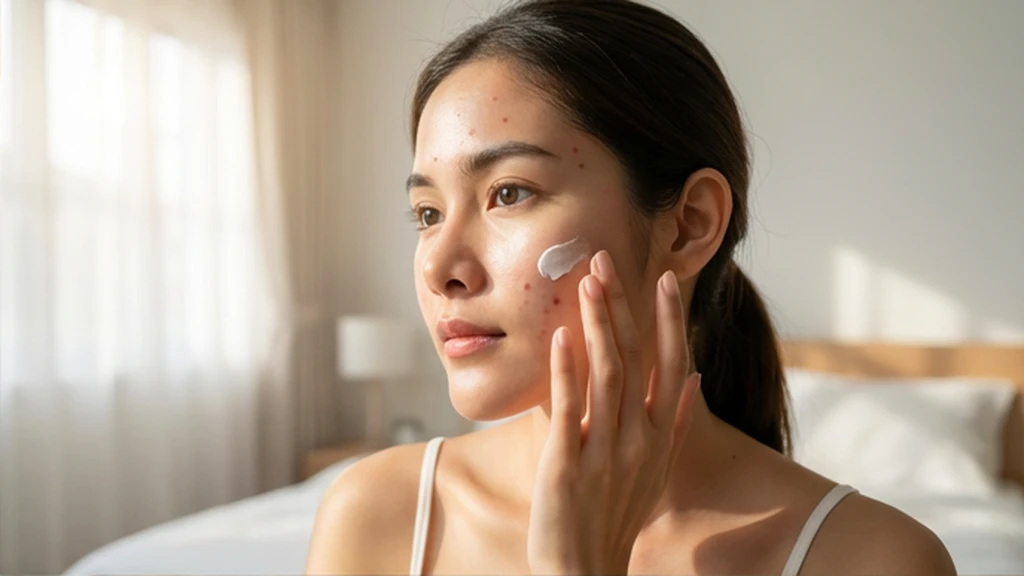
Dealing with acne scars can feel overwhelming, especially when you're searching for the right treatment approach. Whether you're battling dark spots, textural changes, or both, understanding your options is the first step toward clearer skin. The journey to fade acne scars requires patience, consistency, and the right products tailored to your specific needs. From gentle over-the-counter options to powerful prescription treatments, there's a solution for every skin type and scar severity. Let's explore the most effective approaches to help you achieve the smooth, even-toned complexion you deserve.
Not all acne marks are created equal, and knowing the difference can help you choose the most effective acne scar treatment. True acne scars involve changes to your skin's texture, while post-inflammatory hyperpigmentation (PIH) refers to the dark spots left behind after breakouts heal. Atrophic scars are the most common type, creating depressions in the skin. These include ice pick scars (deep, narrow marks), boxcar scars (wider depressions with defined edges), and rolling scars (wave-like indentations). Hypertrophic and keloid scars, on the other hand, are raised above the skin's surface.
Genetics play a huge role in how your skin heals from acne. People with darker skin tones are more prone to hyperpigmentation, while those with fair skin may develop more textural scarring. The severity of your original acne, how you treated it, and whether you picked at blemishes all influence your final results.
Your skin naturally works to repair itself over time. Fresh acne marks typically take 3-6 months to fade on their own, while deeper scars may never fully resolve without intervention. This is where targeted treatments with the right skin discoloration cream can make a significant difference.
The best cream for acne scars contains scientifically-proven ingredients that work to resurface skin, boost collagen production, and fade discoloration. Understanding these powerhouse components helps you make informed choices about your skincare routine. Retinoids are considered the gold standard for topical scar treatment. These vitamin A derivatives accelerate cell turnover, helping to smooth textural irregularities and fade dark spots. Prescription tretinoin offers the strongest results, while over-the-counter retinol provides a gentler introduction.
Alpha hydroxy acids like glycolic and lactic acid work on the skin's surface to remove dead cells and reveal fresh, healthy skin underneath. Beta hydroxy acid (salicylic acid) penetrates deeper into pores, making it especially effective for acne-prone skin.
Vitamin C stimulates collagen production while brightening dark spots. Niacinamide reduces inflammation and helps regulate oil production. Tranexamic acid specifically targets stubborn hyperpigmentation, while azelaic acid offers dual benefits for both active acne and scarring.
The best scar cream for you depends on your specific concerns, skin sensitivity, and the type of scarring you're dealing with. Over-the-counter options provide an excellent starting point for most people, while prescription treatments offer more dramatic results for severe scarring. For beginners, look for products containing retinol, vitamin C, or gentle acids. These ingredients are effective yet less likely to cause irritation. If you have sensitive skin, start with lower concentrations and gradually build up your tolerance.
When over-the-counter products aren't enough, dermatologists can prescribe stronger formulations. Tretinoin, hydroquinone combinations, and prescription-strength acids can deliver more dramatic improvements in both texture and pigmentation.
Silicone-based formulas work particularly well for raised scars, while growth factor creams and peptide-enhanced products focus on rebuilding damaged tissue. The key is matching the treatment to your specific type of scarring.
Success with any cream for acne marks requires a strategic approach. Start slowly, be consistent, and give your skin time to respond. Most people see initial improvements within 4-6 weeks, with more significant changes appearing after 3-4 months of regular use. Begin with gentle cleansing and always apply sunscreen during the day. Sun protection is crucial because UV exposure can darken existing marks and slow the healing process. Introduce active ingredients gradually, starting with 2-3 times per week and building up to daily use as your skin tolerates.
When using multiple products, apply them in order of thinnest to thickest consistency. Serums go on first, followed by treatments, then moisturizer. Some ingredients work better at night (like retinoids), while others can be used morning and evening (like vitamin C).
Take photos in consistent lighting to track your improvement over time. Keep a skincare journal noting any irritation or positive changes. If you don't see results after 3-4 months of consistent use, it may be time to consult a dermatologist for stronger treatments.
While topical treatments can significantly improve many types of acne scarring, some situations call for professional intervention. Deep ice pick scars, severe textural damage, or scars that haven't responded to months of consistent scar healing cream use may benefit from in-office procedures. Professional treatments like chemical peels, microneedling, and laser therapy can be combined with at-home care for optimal results. Your dermatologist can create a comprehensive treatment plan that addresses your specific concerns while maintaining your skin's health.
The most effective creams contain retinoids, vitamin C, or chemical exfoliants like glycolic acid. Prescription tretinoin offers the strongest results, while over-the-counter retinol provides gentler improvement. The best choice depends on your skin type, scar severity, and sensitivity level.
Most people notice initial improvements within 4-6 weeks of consistent use. Significant changes in texture and pigmentation typically appear after 3-4 months. Deep scars may take 6-12 months to show substantial improvement with topical treatments alone.
Topical treatments can dramatically improve the appearance of acne scars, but complete removal isn't always possible with creams alone. Surface-level discoloration responds better than deep textural scarring. Combining topical treatments with professional procedures often yields the best results.
Avoid harsh scrubs, alcohol-based toners, and over-exfoliating with multiple acids at once. These can irritate healing skin and potentially worsen scarring. Always patch test new products and introduce active ingredients gradually.
Yes, but introduce them slowly and pay attention to your skin's response. Start with one active ingredient and add others gradually. Some combinations work synergistically, while others may cause irritation when used together.
Treating acne scars successfully requires understanding your specific type of scarring and choosing appropriate treatments. The best cream for acne scars contains proven ingredients like retinoids, vitamin C, or chemical exfoliants, applied consistently over several months. While topical treatments can create significant improvements, realistic expectations and patience are essential. For severe scarring, combining at-home care with professional treatments often provides the most dramatic results. Remember that protecting your skin from sun damage and maintaining a gentle, consistent routine are just as important as the active ingredients you choose.
