


Acne Scar Removal: Expert Tips & Treatment Guide
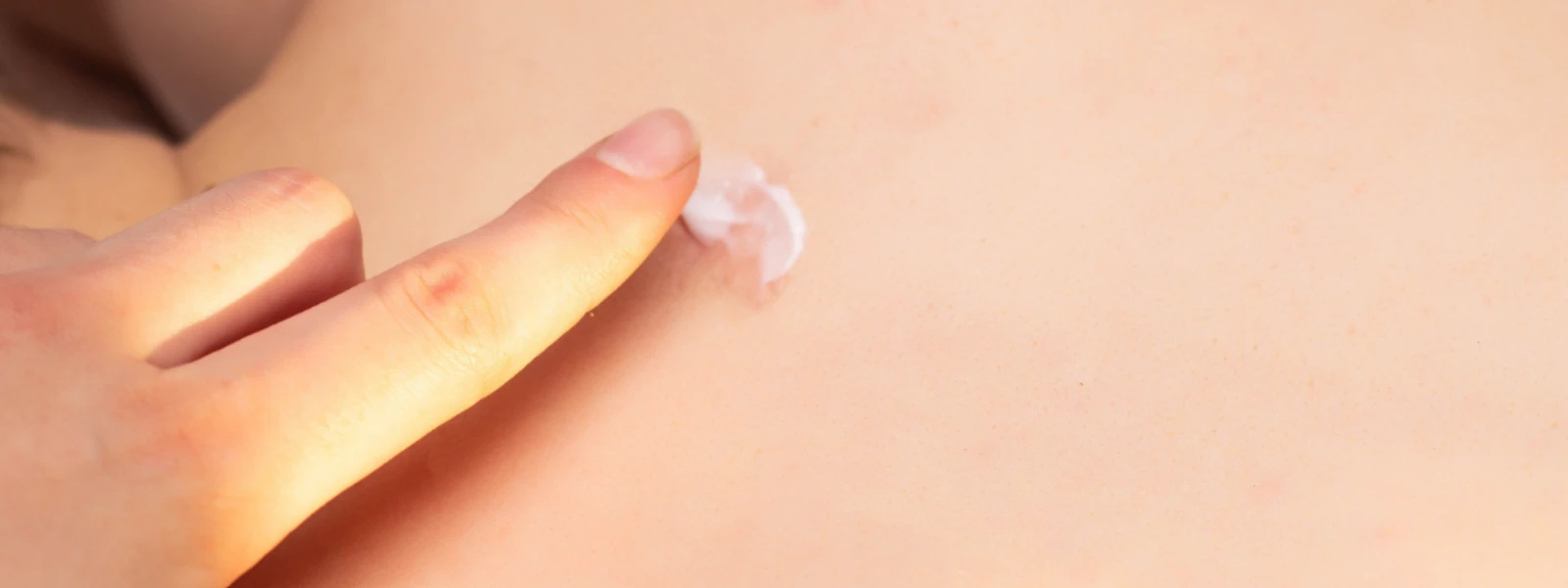
Dealing with acne scars can feel overwhelming, especially when you're unsure which treatment path to take. Whether you're looking at professional procedures or exploring home remedies, understanding your options is the first step toward clearer skin. Acne scars form when inflammatory breakouts damage the deeper layers of skin, disrupting normal collagen production. The good news? Today's acne scar removal tips and treatments offer real solutions for every skin type and budget. From gentle at-home care to advanced dermatological procedures, there's a path forward that can help you achieve the smooth, confident complexion you deserve.
Not all acne scars are created equal, and identifying your specific type is crucial for choosing the right acne scar treatment. When acne penetrates deep into the skin, it damages the tissue beneath. As your skin heals, it produces collagen to repair the damage. Too little collagen creates depressed scars, while too much creates raised ones.
These depressed scars occur when there's a loss of tissue during healing. Ice pick scars appear as small, deep holes in the skin. Boxcar scars have wider openings with sharp edges. Rolling scars create a wave-like appearance across the skin's surface. Each type responds differently to treatment, making proper identification essential.
Raised scars form when your body produces too much collagen during healing. These thick, elevated areas of skin are more common on the chest, back, and jawline. They require specialized treatments that focus on breaking down excess scar tissue.
Often confused with true scarring, post acne marks are actually areas of discoloration. These dark spots fade naturally over time but can be treated with targeted hyperpigmentation solutions to speed the process.
When home remedies aren't enough, professional treatments offer powerful solutions to reduce acne scars significantly. Modern dermatology provides several evidence-based approaches that can transform your skin's appearance.
This facial scar treatment uses tiny needles to create controlled micro-injuries in the skin. Your body responds by producing new collagen, gradually filling in depressed scars. Professional microneedling sessions typically show results after 3-6 treatments spaced 4-6 weeks apart. The procedure works well for all skin tones and has minimal downtime.
Fractional lasers target specific areas of scarred skin while leaving surrounding tissue intact. This approach promotes faster healing and reduces recovery time. CO2 lasers offer dramatic results for severe scarring, while gentler options like erbium lasers work well for mild to moderate concerns. Your dermatologist will recommend the best scar removal laser based on your specific needs.
Professional peels use controlled acids to remove damaged skin layers. Light peels with glycolic or salicylic acid improve texture and tone with no downtime. Medium-depth TCA peels penetrate deeper for more dramatic results. Deep peels are reserved for severe scarring and require significant recovery time.
Consistent home care can significantly improve mild scarring and enhance professional treatments. The key is choosing proven ingredients and maintaining a regular routine.
Retinoids accelerate cell turnover, gradually smoothing scar texture. Start with over-the-counter retinol and work up to prescription strength if needed. Vitamin C serums brighten skin discoloration treatment while supporting collagen production. Niacinamide reduces inflammation and helps fade dark spots. Alpha hydroxy acids provide gentle exfoliation to improve skin texture.
While gentler than professional treatments, some natural ingredients show promise for scar lightening. Aloe vera gel soothes inflammation and may support healing. Honey has antibacterial properties and can be mixed with other beneficial ingredients. Green tea contains antioxidants that may help with skin repair. Remember that natural doesn't always mean safe – patch test new ingredients before applying to your face.
Morning routines should focus on protection and brightening. Use a gentle cleanser, apply vitamin C serum, and finish with broad-spectrum SPF 30 or higher. Evening routines can include active ingredients like retinoids or AHAs. Always follow with a moisturizer to support your skin barrier. Weekly treatments might include gentle exfoliation or hydrating masks.
Many people seeking acne scar removal tips are actually dealing with post-inflammatory hyperpigmentation rather than true scarring. These dark spots respond well to targeted treatments and often fade completely with consistent care.
True scars involve changes in skin texture – they're either raised or depressed. Hyperpigmentation appears as flat, discolored areas that don't affect skin texture. This distinction matters because treatments differ significantly. Dark spots respond to brightening ingredients, while textural scars need collagen-stimulating treatments.
Hydroquinone remains the gold standard for treating dark spots, though it requires careful use under professional guidance. Kojic acid and arbutin offer gentler alternatives with fewer side effects. Azelaic acid works well for sensitive skin and has anti-inflammatory properties. Vitamin C and licorice root extract provide additional brightening benefits.
The most effective acne scar treatment is prevention. By treating active acne promptly and avoiding harmful habits, you can minimize your risk of developing new scars.
Never pick, squeeze, or pop acne lesions. This damages skin tissue and increases scarring risk significantly. Treat acne early with appropriate medications – the sooner you control breakouts, the less likely they are to scar. Use gentle skincare products that won't irritate inflamed skin. Harsh scrubbing or aggressive treatments can worsen inflammation and increase scarring risk.
UV exposure darkens existing scars and slows healing. Daily sunscreen use is non-negotiable when treating acne scars. Look for broad-spectrum formulas with at least SPF 30. Reapply every two hours when outdoors, and consider wearing protective clothing and seeking shade during peak sun hours.
Professional treatments like microneedling show initial improvements in 4-6 weeks, with continued progress over 3-6 months. At-home treatments with retinoids and vitamin C typically require 3-6 months of consistent use for noticeable results. Patience is key – skin renewal takes time.
While complete removal isn't always possible, most scars can be significantly improved. Mild to moderate scarring often sees 50-80% improvement with proper treatment. Severe scarring may require multiple treatment modalities and realistic expectations about final results.
Not necessarily. Many effective ingredients are available in affordable formulations. The key is consistency and choosing products with proven ingredients. However, professional treatments often provide faster, more dramatic results than home care alone.
Combining treatments can be effective but requires careful planning. Professional guidance helps ensure treatments complement rather than interfere with each other. Start slowly when introducing new products, and always patch test first.
A quality scar removal cream contains active ingredients specifically chosen for their ability to improve scar appearance. These might include retinoids, peptides, or brightening agents. Regular moisturizers focus primarily on hydration without targeted scar-improving benefits.
Successful acne scar treatment requires understanding your specific scar type and choosing appropriate treatments accordingly. Professional procedures offer the most dramatic results, while consistent home care can provide significant improvement over time. Prevention through proper acne treatment and sun protection remains your best strategy. Remember that improvement takes time – whether you choose professional treatments or focus on at-home care, patience and consistency are essential for achieving the clear, smooth skin you're working toward.
