

7 Ways to Fade Hyperpigmentation After Waxing Fast
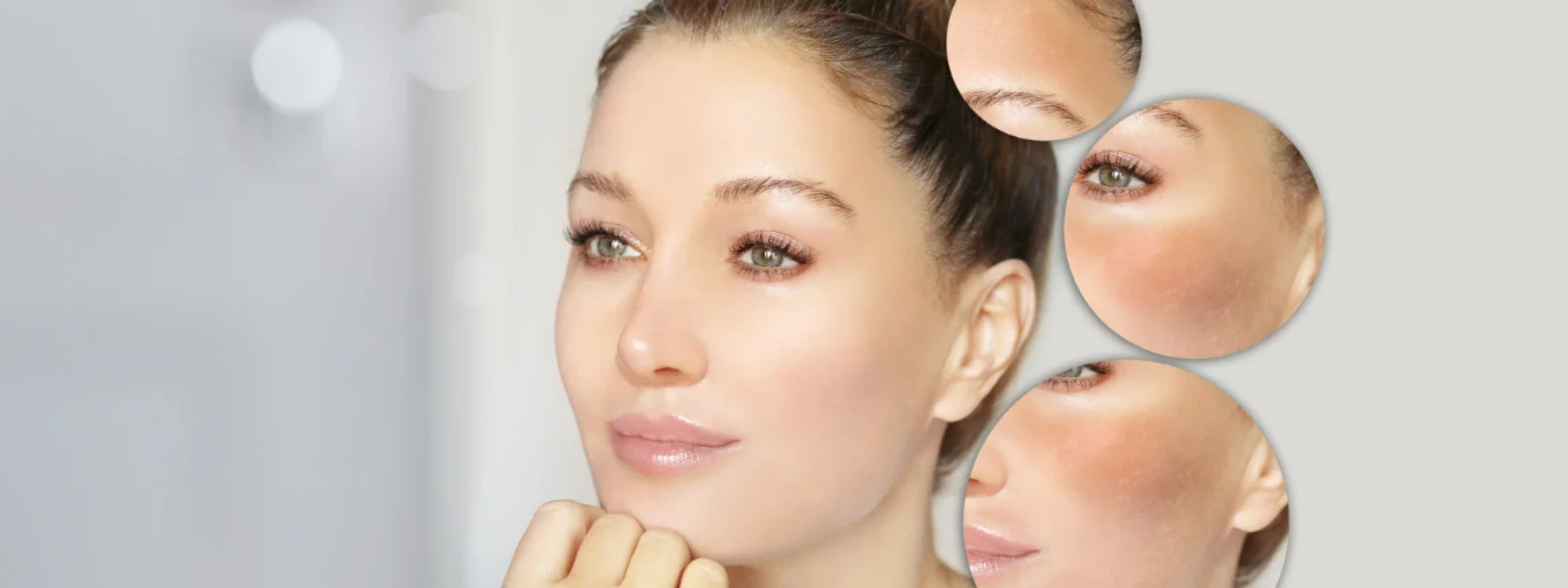
Dark spots after waxing can feel frustrating, especially when you're trying to achieve smooth, even-toned skin. Post-inflammatory hyperpigmentation waxing is more common than you might think, affecting people of all skin types. The good news? Will hyperpigmentation from waxing go away? Absolutely. With the right approach and consistent care, you can fade these stubborn marks and prevent them from coming back. Let's explore seven proven methods that work fast to restore your skin's natural radiance.
When you wax, you're essentially creating controlled trauma to remove hair from the follicle. This process triggers your skin's natural inflammatory response, which can lead to hyperpigmentation after waxing. Your skin produces extra melanin as it heals from the waxing process. Think of it as your body's way of protecting the area that just experienced stress. The more melanin your skin naturally produces, the more likely you are to develop dark spots after waxing. People with deeper skin tones often see this happen more frequently, but it can affect anyone.
Several factors increase your chances of developing waxing skin darkening. Improper waxing technique tops the list. When wax is too hot or pulled incorrectly, it creates more inflammation than necessary. Sun exposure right after waxing also makes pigmentation worse. Your skin is already sensitive, and UV rays can trigger even more melanin production.
The bikini area, underarms, and upper lip tend to show skin pigmentation from hair removal most often. These areas have thinner, more sensitive skin that reacts strongly to trauma. Without treatment, these dark patches can last anywhere from a few months to over a year.
Chemical exfoliation works by removing the top layer of skin where pigmented cells sit. This process reveals fresh, even-toned skin underneath and is one of the most effective ways to treat hyperpigmentation from waxing. Start with alpha hydroxy acids like glycolic or lactic acid. These water-soluble acids work on the skin's surface to gently dissolve dead skin cells. Lactic acid is particularly gentle, making it perfect for sensitive post-wax skin. Use a 5-10% concentration every other night to begin.
Salicylic acid penetrates deeper into pores, making it excellent for treating ingrown hairs hyperpigmentation. It also has anti-inflammatory properties that help calm irritated skin. Start with 0.5-2% concentration and gradually increase as your skin adjusts.
Always apply chemical exfoliants to clean, dry skin. Wait 20-30 minutes before applying other products. Never use them immediately after waxing - wait at least 48 hours to avoid irritation.
Vitamin C is a powerhouse ingredient for fading post-inflammatory hyperpigmentation waxing. It works by inhibiting tyrosinase, the enzyme responsible for melanin production. This means it stops new dark spots from forming while helping existing ones fade. L-ascorbic acid is the most potent form, but it can be irritating for sensitive skin. Magnesium ascorbyl phosphate offers gentler results with less risk of irritation. Look for serums with 10-20% vitamin C concentration for best results.
Apply vitamin C serum in the morning after cleansing but before moisturizer. The antioxidant properties help protect your skin from environmental damage throughout the day. You should start seeing improvements in waxing discoloration within 4-6 weeks of consistent use.
Retinoids accelerate your skin's natural renewal process, helping pigmented cells shed faster. This makes them incredibly effective for treating stubborn hyperpigmentation treatment cases. Start with over-the-counter retinol products containing 0.25-0.5% concentration. Apply every third night initially, then gradually increase frequency as your skin builds tolerance. Prescription tretinoin offers faster results but requires dermatologist supervision.
Retinoids make your skin more sensitive to sun exposure. Always use broad-spectrum SPF 30 or higher during the day. Never apply retinoids to freshly waxed skin - wait at least one week to avoid severe irritation.
Several natural ingredients have proven effectiveness for fading dark spots after waxing. Kojic acid, derived from rice fermentation, inhibits melanin production similarly to hydroquinone but with fewer side effects. Arbutin, found in bearberry extract, offers gentle brightening without irritation. Niacinamide (vitamin B3) reduces inflammation while evening skin tone. These ingredients work slower than clinical treatments but are perfect for sensitive skin.
Create a simple brightening mask by mixing 2 tablespoons plain yogurt with 1 teaspoon honey and a few drops of lemon juice. The lactic acid in yogurt provides gentle exfoliation while honey soothes inflammation. Use twice weekly for gradual improvement.
When home treatments aren't enough, professional options can provide dramatic results for persistent hyperpigmentation after waxing. Chemical peels using glycolic, salicylic, or TCA acids remove multiple skin layers, revealing fresh skin underneath. Laser treatments like IPL (Intense Pulsed Light) target melanin directly, breaking up pigmented cells. Q-switched lasers offer precision for small, dark spots. These treatments typically require multiple sessions spaced 4-6 weeks apart.
Professional treatments range from $100-500 per session depending on the method and area treated. Most people need 3-6 sessions for optimal results. Expect some downtime with deeper treatments, including redness and peeling for several days.
Preventing future waxing skin darkening is easier than treating existing pigmentation. Proper pre-wax preparation makes a huge difference in outcomes. Exfoliate gently 24-48 hours before waxing to remove dead skin cells. Avoid sun exposure for at least 24 hours before and after waxing. Choose experienced professionals who use proper techniques and appropriate wax temperatures.
Immediately after waxing, apply a cooling gel or aloe vera to reduce inflammation. Avoid hot showers, tight clothing, and fragranced products for 24-48 hours. Apply broad-spectrum sunscreen religiously to prevent UV-triggered pigmentation.
Combining multiple methods safely can accelerate results for treating how to treat hyperpigmentation from waxing. A typical routine might include vitamin C serum in the morning, gentle exfoliation 2-3 times weekly, and retinol every other night. Start slowly when combining treatments. Introduce one new product every 2-3 weeks to monitor your skin's response. Always prioritize sun protection when using multiple active ingredients.
Take photos in consistent lighting every two weeks to track improvement. Most people see initial results within 4-6 weeks, with significant improvement by 12 weeks. Adjust your routine based on your skin's response and tolerance.
Yes, but it can take 6-12 months or longer without treatment. Active intervention with the methods above can reduce this timeline to 6-12 weeks.
Untreated hyperpigmentation can persist for months to over a year. With consistent treatment, most people see significant fading within 2-3 months.
Regular gentle exfoliation, proper waxing technique, and immediate post-wax care significantly reduce the risk of both ingrown hairs and resulting pigmentation.
Consult a professional if pigmentation doesn't improve after 3 months of consistent treatment, if spots are getting darker, or if you experience persistent irritation from treatments.
Fading hyperpigmentation after waxing requires patience and consistency, but the results are absolutely achievable. Start with gentle methods like vitamin C and chemical exfoliation before progressing to stronger treatments. Remember that prevent hyperpigmentation waxing is always easier than treating existing spots, so invest in proper pre and post-wax care. With the right approach, you can enjoy smooth, even-toned skin without worrying about dark spots after hair removal.
