

7 Proven Ways to Tackle Dark Underarm Discoloration
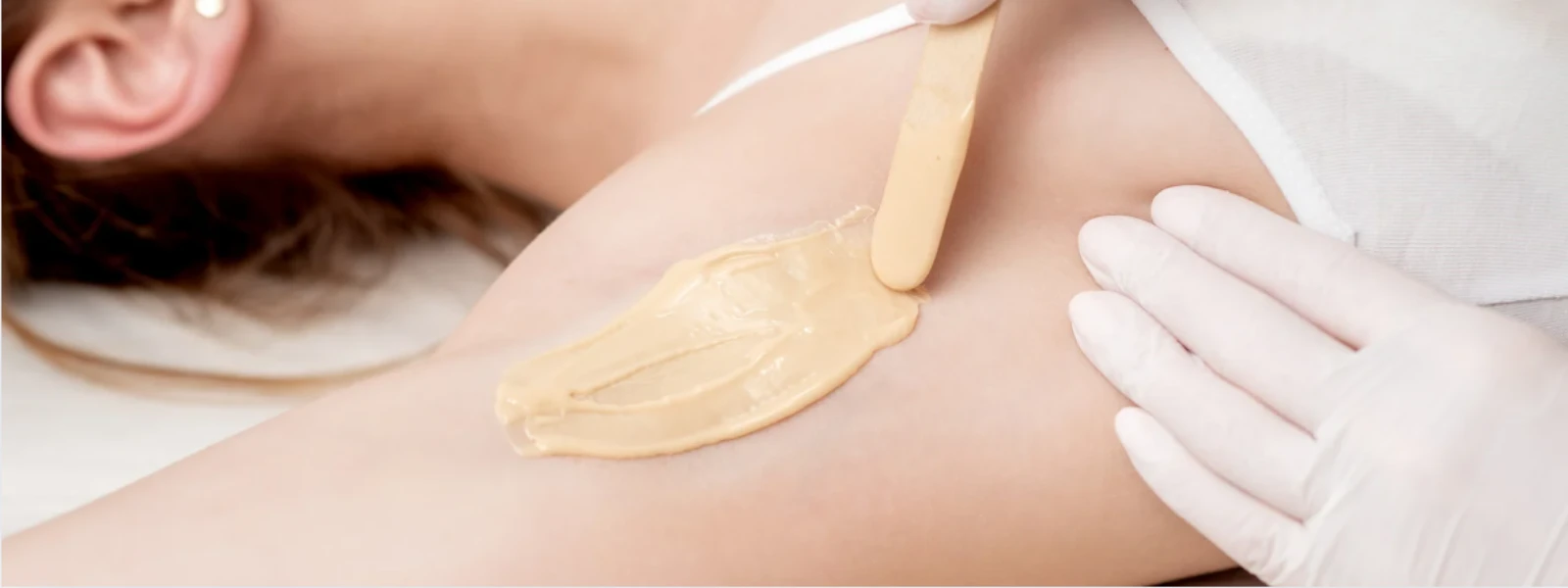
Dark underarms can feel like an unwelcome surprise, especially when you're getting ready for sleeveless tops or swimwear. This common skin concern affects millions of people worldwide, yet it remains one of those topics we rarely discuss openly. Underarm discoloration isn't just about appearance, it can impact confidence and make you second-guess your wardrobe choices.
The good news? You're not stuck with dark underarms forever. Understanding what causes this pigmentation and knowing the right approaches can help you regain smooth, even-toned skin. Let's explore seven proven methods that actually work, backed by dermatological science and real results.
Before diving into solutions, it's crucial to understand why armpit darkening happens in the first place. Your underarms are particularly vulnerable to pigmentation changes due to their unique environment—they're warm, moist, and subject to constant friction. Several factors contribute to this discoloration, and identifying your specific triggers helps you choose the most effective treatment approach.
Friction tops the list of causes of dark underarms. Tight clothing, frequent shaving, and even repetitive arm movements create micro-trauma to the delicate underarm skin. This constant irritation triggers your skin's defense mechanism, producing excess melanin that appears as dark patches.
Deodorants and antiperspirants can also be culprits. Many commercial products contain aluminum compounds and fragrances that irritate sensitive skin, leading to inflammation and subsequent pigmentation. Additionally, hormonal fluctuations—particularly during pregnancy, menopause, or conditions like PCOS—can increase melanin production throughout the body, including the underarms.
Sometimes, hyperpigmentation underarms indicates underlying health issues. Acanthosis nigricans, a condition characterized by dark, velvety patches, often signals insulin resistance or diabetes. If your dark underarms appeared suddenly or are accompanied by similar patches on your neck or groin, consult a healthcare provider for proper evaluation.
Now that you understand the root causes, let's explore proven strategies to lighten underarms effectively. These methods range from gentle home treatments to professional interventions, giving you options that fit your lifestyle and budget.
Regular exfoliation removes dead skin cells that can make armpit pigmentation appear darker. Create a gentle scrub using brown sugar and honey, or opt for chemical exfoliants containing alpha hydroxy acids (AHAs) or beta hydroxy acids (BHAs). Limit exfoliation to 2-3 times weekly to avoid irritation.
Professional-grade ingredients can significantly improve uneven skin tone armpits. Look for products containing kojic acid, arbutin, or vitamin C—these ingredients inhibit melanin production while being gentler than harsh bleaching agents. Apply these treatments consistently for 6-8 weeks to see noticeable results.
For stubborn discoloration, dermatological treatments offer faster results. Chemical peels specifically designed for armpit whitening can remove damaged skin layers, while laser therapy targets melanin deposits directly. These treatments require professional supervision but often provide dramatic improvements.
Simple changes in your daily routine can prevent further darkening. Switch to loose-fitting, breathable fabrics, especially during exercise. Replace your razor more frequently and always shave in the direction of hair growth to minimize irritation that contributes to dark shadows underarms.
Several kitchen ingredients have mild lightening properties. Lemon juice contains natural acids that gently exfoliate, while turmeric has anti-inflammatory benefits. Create a paste with these ingredients and apply 2-3 times weekly. Remember, natural doesn't mean risk-free—always patch test first.
What you eat affects your skin health. Anti-inflammatory foods like berries, leafy greens, and omega-3 rich fish can support overall skin healing. If hormonal imbalances contribute to your armpit darkening, addressing these through diet, exercise, and medical management can improve pigmentation.
The best treatment is prevention. Establish a gentle cleansing routine, choose aluminum-free deodorants, and maintain a healthy weight to reduce friction. Regular moisturizing keeps skin healthy and less prone to irritation-induced pigmentation.
While permanent improvement takes time, certain strategies can provide temporary relief for special occasions. Understanding realistic timelines helps set appropriate expectations for your dark armpits remedy journey.
For immediate events, gentle exfoliation followed by a brightening mask can temporarily improve appearance. Avoid harsh scrubbing, which can worsen inflammation and darkening.
Combine exfoliation, targeted treatments, and moisturizing in a weekly intensive routine. This approach provides steady improvement while maintaining skin health.
Patience is key when addressing underarm discoloration. Most people see initial improvements within 4-6 weeks of consistent treatment, with significant changes occurring over 3-6 months. Factors like skin type, severity of pigmentation, and treatment consistency all influence your timeline.
During the first two weeks, focus on establishing your routine and monitoring for irritation. Weeks 3-4 often bring subtle improvements in skin texture. By weeks 6-8, you should notice visible lightening if your chosen method is effective.
Most people see initial improvements within 4-6 weeks of consistent treatment, with significant results appearing after 3-6 months. The timeline depends on the severity of pigmentation and treatment method chosen.
Yes, with proper treatment and prevention strategies, dark underarms can be significantly lightened and maintained. However, ongoing care is necessary to prevent recurrence, especially if underlying causes like friction or hormonal issues persist.
Dark underarms can sometimes indicate insulin resistance or diabetes, particularly when accompanied by similar patches on the neck or groin. If you notice sudden darkening, consult a healthcare provider for proper evaluation.
Professional treatments like chemical peels or laser therapy offer the fastest results, often showing improvement within 2-4 weeks. However, consistent use of topical treatments and lifestyle changes provides sustainable long-term results.
Dark underarms rarely resolve without intervention. However, if caused by temporary factors like pregnancy hormones or specific products, they may improve once the trigger is removed.
Addressing dark underarms requires patience, consistency, and the right approach for your specific situation. Whether you choose natural remedies, professional treatments, or a combination of methods, the key is understanding your triggers and maintaining realistic expectations.
Remember that healthy skin takes time to regenerate, but with the right strategy, you can achieve the smooth, even-toned underarms you desire. Start with gentle methods, be consistent with your routine, and don't hesitate to seek professional guidance if you're dealing with stubborn pigmentation or suspect underlying health issues.
