

7 Proven Ways to Permanently Cure Hyperpigmentation
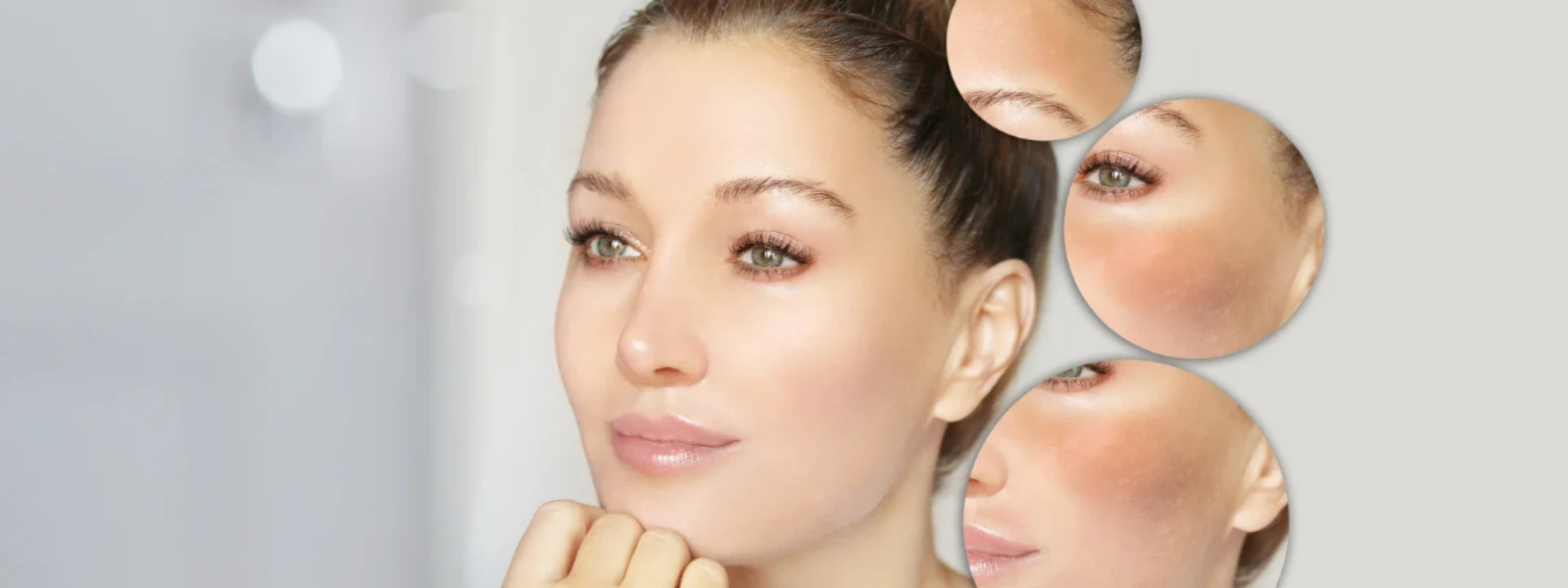
Dark spots, uneven skin tone, and stubborn patches of discoloration can feel like unwelcome guests that refuse to leave. If you've been wondering whether hyperpigmentation can be cured permanently, you're not alone. Millions of people struggle with various forms of skin discoloration, from melasma to post-acne marks. While the word "permanent" might be ambitious, there are proven methods that can dramatically fade these marks and help prevent their return. The key lies in understanding your specific type of hyperpigmentation and choosing the right combination of treatments. Let's explore seven science-backed approaches that can help you achieve clearer, more even-toned skin.
The honest truth about permanent hyperpigmentation cure is more nuanced than a simple yes or no. True "permanent" removal depends on several factors, including the type of discoloration, its underlying cause, and your skin's response to treatment. Most hyperpigmentation treatments focus on significant fading rather than complete elimination.
Post-inflammatory hyperpigmentation from acne typically responds well to treatment and rarely returns once properly addressed. Sun spots and age spots can be effectively reduced with laser treatments. However, melasma tends to be more stubborn and may require ongoing maintenance.
Most people see noticeable improvements within 3-6 months of consistent treatment. Complete fading can take 6-12 months or longer, depending on the depth and age of the pigmentation. Patience and consistency are your best allies in this journey.
Understanding what triggered your hyperpigmentation is crucial for selecting the most effective treatment approach. Different causes require different strategies, and knowing your trigger helps prevent future occurrences.
UV rays are the leading cause of age spots and general skin discoloration. These typically appear on areas most exposed to sunlight like the face, hands, and shoulders.
Melasma often develops during pregnancy or while taking hormonal medications. This type of discoloration can be particularly challenging to treat and may return with hormonal fluctuations.
Acne, cuts, burns, or other skin injuries can leave dark marks as they heal. This type usually fades more predictably with proper treatment.
Darker skin tones are more prone to developing hyperpigmentation but may also be more sensitive to certain treatments. Understanding your skin type helps determine the safest and most effective approach.
Professional treatments offer the most dramatic and fastest results for stubborn skin discoloration. These methods work by targeting pigment at deeper levels than over-the-counter products can reach.
Laser treatments like IPL (Intense Pulsed Light) and Q-switched lasers can break down pigment clusters effectively. These treatments work best on sun spots and age spots, with many people seeing significant improvement after 3-5 sessions.
Professional chemical peels using TCA (trichloroacetic acid) or high-concentration glycolic acid can remove damaged skin layers. Medium-depth peels often provide the best balance of effectiveness and safety for dark spots removal.
This treatment creates tiny channels in the skin, allowing specialized serums to penetrate deeper. When combined with vitamin C or hydroquinone, microneedling can significantly improve uneven skin tone.
Dermatologists can prescribe powerful combinations like tretinoin with hydroquinone and a mild steroid. These "triple therapy" treatments are particularly effective for melasma and stubborn discoloration.
While professional treatments offer faster results, consistent at-home care can also produce significant improvements. These methods require patience but can be highly effective when used correctly.
Over-the-counter products containing vitamin C, niacinamide, and azelaic acid can gradually fade hyperpigmentation. Look for vitamin C concentrations of 10-20% and niacinamide at 5-10% for optimal results without irritation.
Certain natural ingredients have shown promise in clinical studies. Kojic acid, arbutin, and licorice root extract can help inhibit melanin production. However, natural doesn't always mean gentle, so patch testing is essential.
A well-structured routine combining gentle exfoliation, targeted serums, and proper moisturizing can gradually improve skin texture and tone. Consistency is more important than using the most expensive products.
Prevention is often easier than treatment when it comes to hyperpigmentation. Once you've achieved clearer skin, maintaining these habits will help preserve your results long-term.
Broad-spectrum SPF 30 or higher should be applied daily, even indoors. Reapplication every two hours is crucial for outdoor activities. Physical sunscreens with zinc oxide or titanium dioxide are often gentler for sensitive skin.
Continue using gentle exfoliants and antioxidants even after your hyperpigmentation has faded. This helps prevent new spots from forming and maintains overall skin health.
Managing stress, getting adequate sleep, and avoiding picking at blemishes can prevent post-inflammatory hyperpigmentation. For those with melasma, discussing hormonal triggers with a healthcare provider is important.
No treatment can completely eliminate hyperpigmentation in just one week. Even the most aggressive professional treatments require multiple sessions over several months for optimal results.
Laser treatments typically show the quickest visible results, often within 2-4 weeks. However, complete treatment usually requires multiple sessions spaced 4-6 weeks apart.
Yes, but it requires extra caution. Darker skin is more prone to post-inflammatory hyperpigmentation from aggressive treatments. Gentle, gradual approaches are usually safer and more effective.
Natural ingredients can help fade hyperpigmentation over time, but they work more slowly than clinical treatments. Complete removal using only natural methods is unlikely for deep or old pigmentation.
Consult a dermatologist if your hyperpigmentation is extensive, doesn't respond to over-the-counter treatments after 3 months, or if you notice any changes in size, color, or texture of existing spots.
While the question "can hyperpigmentation be cured permanently" doesn't have a simple answer, the seven methods outlined here offer real hope for clearer skin. The most effective approach often combines professional treatments with consistent at-home care and diligent sun protection. Remember that treating hyperpigmentation is a marathon, not a sprint. With patience, the right treatment plan, and realistic expectations, you can achieve significant improvement in your skin's appearance and boost your confidence along the way.
