


7 Pro Tips to Even Skin Tone Without Redness
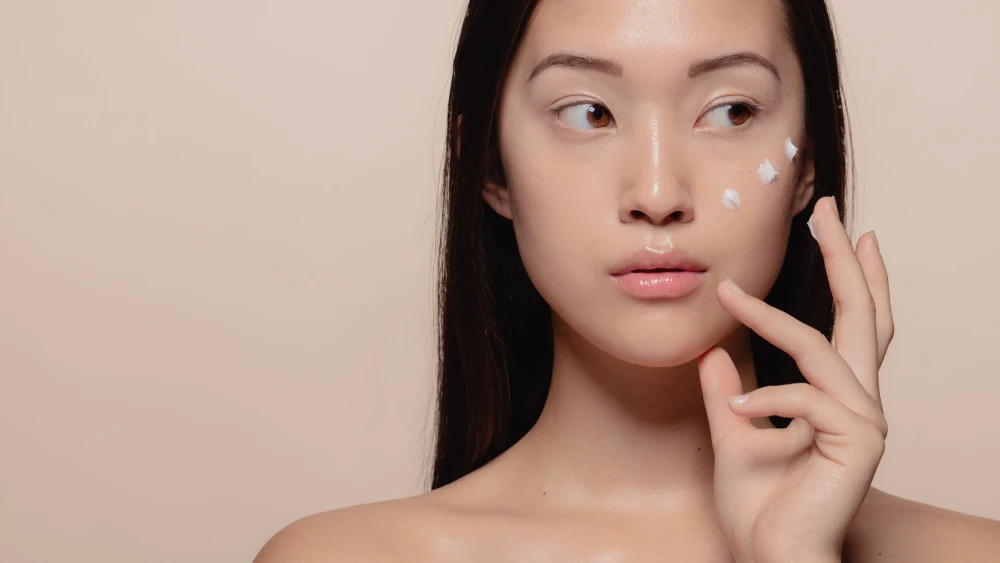
Dealing with uneven skin tone and persistent redness can feel like an uphill battle. Whether you're struggling with post-acne marks, sun damage, or general inflammation, achieving that coveted smooth, balanced complexion doesn't have to remain a distant dream. The good news? With the right approach and proven techniques, you can even skin tone without redness using gentle yet effective methods. These seven expert-backed strategies will help you understand your skin's needs and create a targeted routine that delivers visible results without causing additional irritation.
Before diving into solutions, it's crucial to understand what creates uneven skin tone correction challenges in the first place. Your skin's appearance reflects a complex interplay of internal and external factors that can disrupt its natural balance. Sun exposure remains the primary culprit behind most skin discoloration issues. UV rays trigger melanin production unevenly, creating dark spots and patches that make your complexion appear mottled. Hormonal fluctuations, particularly during pregnancy or while taking certain medications, can also lead to melasma and other pigmentation concerns.
Inflammation plays a significant role in both redness and pigmentation issues. Acne breakouts often leave behind post-inflammatory hyperpigmentation, while conditions like rosacea create persistent facial redness. Environmental factors such as harsh weather, pollution, and stress can exacerbate these concerns, making calm skin inflammation a priority in any effective treatment plan.
Not all discoloration is created equal. Age spots differ from melasma, and general redness requires different treatment approaches than rosacea. Understanding your specific concerns helps you choose the most effective hyperpigmentation treatment methods and avoid products that might worsen your condition.
Exfoliation forms the foundation of any successful complexion correction routine. By removing dead skin cells that can make discoloration appear more pronounced, proper exfoliation reveals fresher, more even-toned skin underneath. The key lies in choosing the right type of exfoliation for your skin's sensitivity level. Chemical exfoliants like alpha-hydroxy acids (AHAs) work particularly well for surface-level discoloration, while beta-hydroxy acids (BHAs) can penetrate deeper to address both pigmentation and inflammation simultaneously.
Start slowly with exfoliation, especially if you're dealing with reactive skin. Begin with once or twice weekly applications and gradually increase frequency as your skin builds tolerance. Over-exfoliation can actually worsen redness and create new pigmentation issues, so patience is essential.
Microscopic, needle-like structures from natural sources, delivering gentle, non-invasive exfoliation as a microneedling alternative. They remove dead skin cells and create microchannels for faster absorption of active ingredients, boosting their efficacy against hyperpigmentation. This enhances cell turnover, fading dark spots for an even tone.
Reducing inflammation is crucial for achieving lasting redness relief and preventing new discoloration from forming. Anti-inflammatory ingredients work by calming irritated skin and supporting its natural healing processes. Niacinamide stands out as one of the most versatile anti-redness skincare ingredients available. This form of vitamin B3 not only reduces inflammation but also helps regulate oil production and strengthen the skin barrier. Studies show that regular niacinamide use can significantly improve skin tone evenness within just a few weeks.
Centella asiatica, green tea extract, and azelaic acid work synergistically to provide comprehensive calm skin inflammation benefits. These ingredients can be layered safely and often enhance each other's effectiveness when used together.
Apply anti-inflammatory products to clean skin before heavier moisturizers or oils. Morning application provides protection against daily environmental stressors, while evening use supports overnight repair processes.
Vitamin C remains the gold standard for addressing hyperpigmentation treatment while providing antioxidant protection. This powerful ingredient works by inhibiting tyrosinase, the enzyme responsible for melanin production, effectively preventing new dark spots while fading existing ones. Choosing the right vitamin C formulation makes all the difference for sensitive skin prone to redness. L-ascorbic acid offers the most potent results but can be irritating for some people. Magnesium ascorbyl phosphate and sodium ascorbyl phosphate provide gentler alternatives that still deliver impressive skin tone balance benefits.
Apply vitamin C to slightly damp skin for better penetration, and always follow with a broad-spectrum sunscreen during the day. The combination of vitamin C and sun protection creates a powerful defense against future pigmentation while addressing existing concerns.
Start with lower concentrations (10-15%) and gradually work up to higher strengths. Store vitamin C products in cool, dark places to maintain their stability and effectiveness.
Consistent sun protection is non-negotiable for maintaining even skin tone without redness. Even minimal UV exposure can undo weeks of progress and trigger new pigmentation issues. Mineral sunscreens containing zinc oxide or titanium dioxide often work best for sensitive, reactive skin. These ingredients provide broad-spectrum protection without the potential irritation associated with chemical sunscreen filters.
Reapply sunscreen every two hours, even when wearing makeup. Powder sunscreens and setting sprays with SPF make reapplication easier throughout the day. Don't forget often-missed areas like your ears, neck, and the backs of your hands.
Antioxidant serums worn under sunscreen provide an additional layer of protection against environmental damage. Look for formulations containing vitamin E, ferulic acid, or resveratrol to enhance your skin's natural defense mechanisms.
Sometimes, stubborn discoloration requires more intensive intervention. Professional treatments can accelerate your results and address concerns that topical products alone might not fully resolve. Chemical peels performed by licensed professionals can dramatically improve uneven skin tone correction by removing damaged surface layers and stimulating cellular renewal. Light peels using glycolic or lactic acid work well for maintenance, while deeper peels can address more significant pigmentation concerns.
Retinoids represent the most effective at-home treatment for comprehensive skin renewal. These vitamin A derivatives accelerate cell turnover, fade pigmentation, and improve overall skin texture. Start with over-the-counter retinol products before considering prescription-strength options.
Red light therapy can help reduce inflammation and support healing, making it an excellent complement to other rosacea treatment approaches. Blue light targets acne-causing bacteria, helping prevent the post-inflammatory hyperpigmentation that often follows breakouts.
Your lifestyle choices significantly impact your skin's ability to maintain an even tone and resist inflammation. Addressing internal factors often produces more lasting results than topical treatments alone. Anti-inflammatory foods rich in omega-3 fatty acids, antioxidants, and vitamins support your skin's natural healing processes. Incorporate fatty fish, leafy greens, berries, and nuts into your diet while limiting inflammatory foods like refined sugars and processed items.
Proper hydration supports cellular function and helps maintain your skin's protective barrier. Aim for at least eight glasses of water daily, and consider adding electrolytes if you're particularly active. Quality sleep allows your skin to repair and regenerate effectively. During deep sleep phases, your body produces growth hormone that supports collagen synthesis and cellular renewal.
Chronic stress elevates cortisol levels, which can worsen inflammation and trigger hormonal fluctuations that affect pigmentation. Regular exercise, meditation, or other stress-reduction techniques can significantly improve your skin's appearance over time.
Building an effective routine requires careful consideration of product compatibility and application timing. The right combination of ingredients can work synergistically to deliver faster, more dramatic results. Your morning routine should focus on protection and gentle treatment. Start with a mild cleanser, apply your vitamin C serum, follow with niacinamide if using a separate product, moisturize, and finish with broad-spectrum sunscreen.
Nighttime offers the perfect opportunity for more intensive treatments. Double cleanse to remove sunscreen and impurities, apply any prescription treatments first, follow with hydrating serums, and seal everything with a nourishing moisturizer.
Apply products from thinnest to thickest consistency, allowing each layer to absorb before adding the next. Water-based serums go first, followed by oil-based treatments, and finally, your moisturizer and sunscreen.
Most people notice initial improvements within 2-4 weeks of consistent use. Significant changes in pigmentation typically become visible after 6-12 weeks, while complete results may take 3-6 months depending on the severity of discoloration.
Yes, but introduce them gradually and pay attention to your skin's response. Start with one new active ingredient at a time, and avoid combining potentially irritating combinations like retinoids and AHAs on the same evening.
Redness typically indicates active inflammation and responds well to anti-inflammatory ingredients and gentle care. Hyperpigmentation involves excess melanin deposits and requires ingredients that can break down existing pigment while preventing new formation.
Avoid harsh physical scrubs, high concentrations of acids, and fragranced products. Patch test new products before full application, and introduce active ingredients slowly to build tolerance.
Absolutely. Foods high in sugar and processed ingredients can trigger inflammation, while anti-inflammatory foods rich in antioxidants support skin health. Staying well-hydrated also helps maintain optimal skin function.
Achieving even skin tone without redness requires patience, consistency, and a comprehensive approach that addresses both symptoms and underlying causes. Start with gentle, proven ingredients like niacinamide and vitamin C, maintain strict sun protection, and gradually introduce more intensive treatments as your skin builds tolerance. Remember that everyone's skin responds differently to treatments. What works for others might not work for you, so pay attention to your skin's signals and adjust your routine accordingly. With consistent care and the right combination of ingredients, you can achieve the calm, balanced complexion you've been seeking.
