

7 Powerful Arbutin Dark Spot Corrector Tips
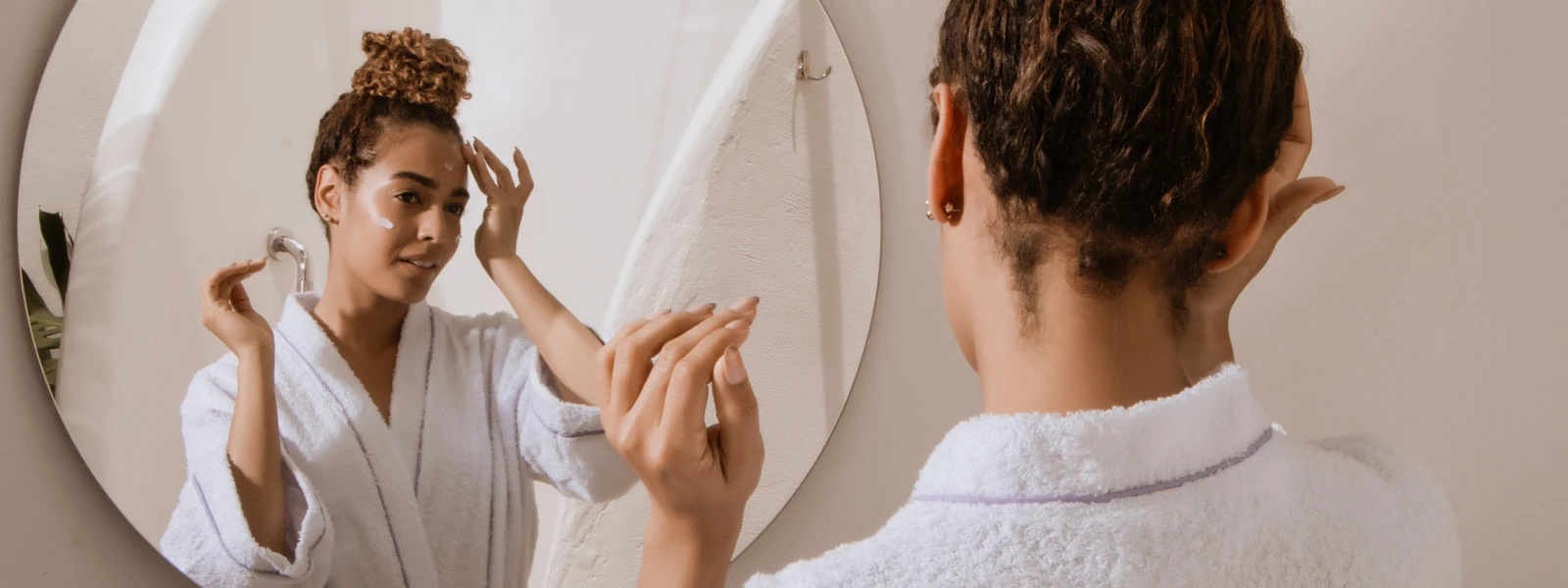
Dark spots can feel like unwelcome guests that overstay their welcome on your skin. Whether they're from old acne scars, sun damage, or hormonal changes, these stubborn marks affect millions of people worldwide. The good news? You don't need harsh chemicals or expensive treatments to fade them. An arbutin dark spot corrector offers a gentle yet powerful solution that works with your skin's natural processes. This natural skin brightener, derived from the bearberry plant, has become a game-changer in the world of hyperpigmentation treatment. Ready to discover seven proven tips that will help you maximize your results and achieve the even-toned complexion you've been dreaming of?
Arbutin stands out from other dark spot treatments because of how it works at the cellular level. This natural compound inhibits tyrosinase, the enzyme responsible for melanin production in your skin. Think of it as a gentle brake pedal for your skin's pigment factory, slowing down the creation of new dark spots while helping existing ones fade. There are two main types of arbutin you'll encounter: alpha and beta. Alpha arbutin is more stable and effective, making it the preferred choice for most skin brightening serums. Unlike harsh alternatives, arbutin offers a safer approach to melanin reduction without the irritation or sensitivity issues that come with stronger chemicals.
The beauty of arbutin lies in its gentle nature. While other treatments might cause redness, peeling, or sensitivity, arbutin works gradually and safely. It's suitable for all skin types, including sensitive skin that can't tolerate more aggressive treatments.
Arbutin works by blocking the conversion of tyrosine to melanin. This process happens deep in your skin cells, where pigment is produced. By interrupting this chain reaction, arbutin helps prevent new dark spots from forming while gradually lightening existing ones.
Not all arbutin serums are created equal, and finding the right concentration is crucial for success. Most effective formulations contain 2% alpha arbutin, which provides optimal results without irritation. If you're new to arbutin or have sensitive skin, start with a lower concentration around 1% and gradually work your way up. When shopping for the best dark spot corrector, look for products that combine arbutin with complementary ingredients. Quality formulations often include hyaluronic acid for hydration, niacinamide for additional brightening, and natural extracts that support skin health.
Always check the ingredient list to ensure arbutin appears in the first few ingredients. This indicates a higher concentration and better efficacy. Avoid products that list arbutin near the end, as they likely contain minimal amounts.
Proper application can make or break your skin discoloration treatment results. Start with clean, dry skin and apply your arbutin serum before heavier creams or oils. Use gentle patting motions rather than rubbing, which can irritate the skin and reduce absorption. Apply your arbutin dark spot corrector twice daily for best results. Morning application helps protect against new pigmentation, while evening use supports overnight repair and renewal. Remember, consistency is key – sporadic use won't deliver the dramatic results you're seeking.
Start with once-daily application and gradually increase to twice daily as your skin builds tolerance. Most people can use arbutin daily without issues, but listen to your skin and adjust accordingly.
The magic happens when you pair your arbutin for hyperpigmentation with other proven ingredients. Vitamin C works beautifully with arbutin, creating a powerful one-two punch against dark spots. Niacinamide adds anti-inflammatory benefits while supporting the skin barrier. For enhanced penetration and gentle exfoliation, look for formulations that include innovative ingredients like hydrolyzed sponge (spicules). These microscopic, needle-like structures create tiny channels in the skin, allowing your arbutin serum to penetrate deeper and work more effectively.
Arbutin pairs exceptionally well with hyaluronic acid, which keeps skin hydrated and plump. This combination ensures your skin stays healthy while the arbutin works its magic on dark spots.
While arbutin is generally compatible with most ingredients, avoid using it immediately after strong acids or retinoids. These can increase sensitivity and reduce arbutin's effectiveness.
Patience is essential when using any natural skin brightener. Most people start seeing initial improvements around 4-6 weeks, with significant results becoming visible after 12 weeks of consistent use. This timeline varies based on the depth and age of your dark spots. Track your progress with weekly photos taken in the same lighting conditions. This helps you notice gradual improvements that might not be obvious day-to-day. Remember, deeper pigmentation takes longer to fade than surface-level discoloration.
Surface-level spots from recent acne or minor sun damage typically respond faster than deep melasma or long-standing pigmentation. Set realistic expectations based on your specific concerns.
Sun protection isn't optional when using an arbutin dark spot corrector – it's absolutely essential. UV exposure can undo weeks of progress in just one day. Apply broad-spectrum SPF 30 or higher every morning, regardless of weather or season. Reapply sunscreen every two hours when outdoors, and don't forget often-missed areas like your ears, neck, and the backs of your hands. Indoor protection matters too, as UV rays penetrate windows and can still trigger pigmentation.
Look for sunscreens that won't interfere with your arbutin serum. Mineral sunscreens with zinc oxide or titanium dioxide work well and provide additional anti-inflammatory benefits.
One of the biggest mistakes people make is using too much product. More isn't better with arbutin – a thin, even layer is all you need. Over-application can lead to irritation and actually slow your progress. Another common error is switching products too quickly. Give your current arbutin benefits for skin routine at least 8-12 weeks before deciding it's not working. Premature product switching prevents you from seeing the full potential of your treatment.
Applying arbutin to damp skin can dilute its effectiveness. Always ensure your skin is completely dry before application for maximum potency.
Choose reputable brands that use stabilized arbutin formulations. Cheap products may contain degraded or ineffective forms of the ingredient.
What you put in your body affects what shows up on your skin. Support your hyperpigmentation treatment from the inside out with antioxidant-rich foods like berries, leafy greens, and citrus fruits. These provide the building blocks your skin needs for healthy cell turnover. Stay hydrated with at least eight glasses of water daily. Proper hydration helps your skin function optimally and supports the natural exfoliation process that reveals brighter skin underneath.
Vitamin C from food sources works synergistically with topical arbutin. Include bell peppers, strawberries, and kiwi in your diet for an extra brightening boost.
Quality sleep is crucial for skin repair. Aim for 7-9 hours nightly to give your skin time to regenerate and process the benefits of your arbutin treatment.
Arbutin can significantly fade most dark spots, with many people seeing 50-80% improvement. Complete removal depends on the depth and age of the pigmentation, but consistent use typically delivers dramatic improvements.
Most people notice initial brightening within 4-6 weeks, with significant results appearing after 12 weeks of consistent use. Deeper pigmentation may take 6 months or longer to see maximum results.
Arbutin is generally well-tolerated, but some people may experience mild irritation when first starting. It also requires patience, as results develop gradually compared to more aggressive treatments.
Sensitive skin benefits from lower concentrations (1%) with soothing ingredients, while normal skin can handle 2% concentrations. Oily skin should look for lightweight, gel-based formulations.
Your journey to clearer, more even-toned skin doesn't have to involve harsh chemicals or expensive procedures. An arbutin dark spot corrector offers a gentle, effective path to the radiant complexion you deserve. Remember, consistency trumps intensity every time. Start with the right concentration for your skin type, apply it correctly, protect your progress with sunscreen, and be patient with the process. With these seven powerful tips in your arsenal, you're well-equipped to tackle hyperpigmentation naturally and safely. Your future self will thank you for starting this journey today.
