

Why Dehydrated Skin Gets Dark Spots: Full Guide
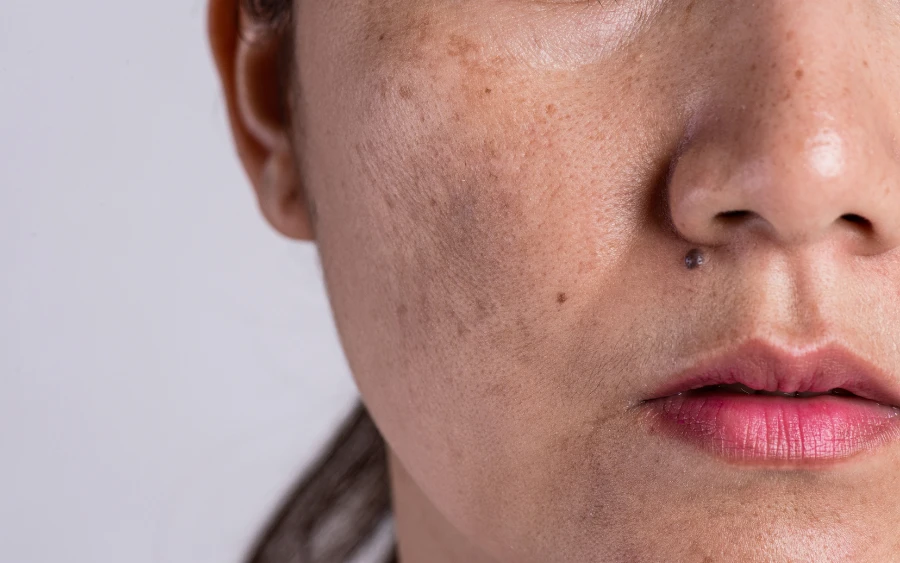
Have you ever noticed dark patches appearing on your skin during particularly dry seasons or stressful periods? You're not alone. Many people experience what seems like sudden pigmentation changes when their skin becomes dehydrated. The connection between skin hydration and pigmentation is more complex than most realize, involving intricate biological processes that affect how our skin produces and displays melanin. When skin lacks adequate moisture, it doesn't just feel tight and uncomfortable. The dehydration actually triggers a cascade of cellular responses that can lead to uneven skin tone and dark spots. Understanding this relationship is crucial for anyone dealing with both dryness and pigmentation concerns, as treating one without addressing the other often leads to frustrating results.
The relationship between dehydrated skin pigmentation and moisture loss involves several interconnected mechanisms that many people don't realize exist. When skin becomes dehydrated, it experiences increased trans-epidermal water loss, which compromises the skin barrier function. This compromised barrier triggers inflammatory responses that can stimulate melanocyte activity, leading to increased melanin production and subsequent dark spots. Research shows that how dehydration affects skin extends far beyond surface-level dryness. Dehydrated skin cells become less efficient at their normal functions, including proper melanin distribution. This inefficiency can cause melanin to clump together in certain areas, creating the appearance of dark patches or uneven skin tone that many people mistake for age spots or sun damage.
Dehydrated skin often appears darker due to changes in how light reflects off the skin surface. When skin lacks moisture, it becomes rough and flaky, causing light to scatter differently and making existing pigmentation appear more pronounced.
Chronic dehydration creates a state of low-level inflammation in the skin. This inflammation can trigger post-inflammatory hyperpigmentation, even without obvious irritation or injury to the skin.
Skin dehydration hyperpigmentation occurs through a complex biological process that begins at the cellular level. When skin cells don't receive adequate hydration, they send distress signals that can inadvertently trigger melanin production. This process involves the release of inflammatory mediators that communicate with melanocytes, the cells responsible for producing pigment. The hyperpigmentation and skin barrier connection is particularly important to understand. A healthy skin barrier maintains optimal moisture levels and protects against environmental stressors. When this barrier becomes compromised due to dehydration, it allows irritants to penetrate more easily, leading to inflammation and subsequent pigmentation changes.
Trans-epidermal water loss occurs when moisture evaporates from the skin faster than it can be replaced. This process triggers a survival response in skin cells, causing them to produce inflammatory compounds that can stimulate melanocyte activity.
Dehydrated skin cells struggle to communicate effectively with each other. This communication breakdown can lead to uneven melanin distribution and the formation of dark spots in areas where cells are most stressed.
Dry skin dark spots have distinct characteristics that differentiate them from other types of pigmentation. These spots often appear in areas where the skin is thinnest or most prone to moisture loss, such as around the eyes, nose, and mouth. Unlike sun spots, which typically have defined borders, dehydrated skin discoloration often appears as diffuse darkening or shadowing. Uneven skin tone dehydration typically manifests as patchy areas of darker skin that seem to shift in intensity depending on hydration levels. These areas may appear more pronounced in the morning after a night of sleep when the skin has had hours to lose moisture, and may improve slightly throughout the day as you drink water and apply skincare products.
Dehydration-related pigmentation often appears as grayish or ashy undertones rather than the brown or black appearance of typical hyperpigmentation. The affected areas may also feel rough or have a different texture compared to surrounding skin.
Common areas for dehydration-induced pigmentation include the under-eye area, around the nose, and on the cheeks where facial expressions create repeated movement and potential moisture loss.
Understanding skin pigmentation causes related to dehydration requires looking at both internal and external factors. Internal factors include insufficient water intake, which directly affects the skin's ability to maintain proper hydration levels. Many people don't realize that their daily water intake significantly impacts their skin's appearance and pigmentation patterns. Dehydrated skin problems often stem from lifestyle choices that we might not immediately connect to skin health. Excessive caffeine consumption, alcohol intake, and poor sleep quality all contribute to dehydration at the cellular level. Additionally, certain medications, medical conditions, and hormonal changes can affect the skin's ability to retain moisture and maintain even pigmentation.
External factors play a significant role in skin dehydration and subsequent pigmentation issues. Air conditioning, heating systems, and low humidity environments all contribute to increased water loss from the skin surface.
Over-cleansing, using harsh products, and skipping moisturizer can severely compromise the skin barrier and lead to dehydration-related pigmentation changes.
Treating hyperpigmentation dry skin requires a dual approach that addresses both moisture levels and pigmentation simultaneously. The key is to restore the skin barrier first, as attempting to treat pigmentation on dehydrated skin often leads to irritation and worsening of both conditions. Effective treatment begins with gentle hydration protocols that don't further compromise the skin barrier. This means avoiding harsh exfoliants or strong active ingredients until the skin's moisture levels are restored. Instead, focus on humectant ingredients like hyaluronic acid and glycerin, which draw moisture to the skin and help maintain hydration levels throughout the day.
Start with a gentle, non-stripping cleanser followed by a hydrating mist or essence. Layer a hyaluronic acid serum under a rich moisturizer, and seal everything with a facial oil if needed.
Once hydration is restored, gradually introduce gentle brightening ingredients like niacinamide or vitamin C in stable, hydrating formulations. Avoid harsh acids or retinoids until the skin barrier is fully restored.
Preventing future episodes of dehydration-related pigmentation requires consistent attention to both internal and external hydration factors. This includes maintaining adequate water intake, using a humidifier in dry environments, and establishing a skincare routine that supports barrier function rather than compromising it. Long-term success also depends on recognizing early signs of dehydration before pigmentation changes occur. Regular skin assessments and adjusting your routine based on seasonal changes, stress levels, and lifestyle factors can help maintain both proper hydration and even skin tone.
Drink water consistently throughout the day, eat hydrating foods, and use skincare products that support the skin barrier rather than stripping it.
Use humidifiers, protect skin from harsh weather, and adjust your skincare routine based on seasonal changes and environmental factors.
Yes, dehydration can cause dark spots through several mechanisms including compromised barrier function, increased inflammation, and altered melanin distribution. When skin lacks adequate moisture, it triggers inflammatory responses that can stimulate excess melanin production.
Improvement in hydration levels typically occurs within 1-2 weeks of consistent treatment, while pigmentation changes may take 6-12 weeks to show significant improvement. The timeline depends on the severity of dehydration and individual skin response.
Dehydrated skin pigmentation often appears as diffuse darkening or grayish undertones, particularly in areas prone to moisture loss. Regular dark spots from sun damage or aging typically have more defined borders and consistent brown coloration.
Always address dehydration first. Attempting to treat pigmentation on dehydrated skin often leads to irritation and can worsen both conditions. Restore the skin barrier and hydration levels before introducing active ingredients for pigmentation.
While proper hydration supports overall skin health, topical hydration is more directly effective for addressing dehydration-related pigmentation. However, adequate water intake supports the skin's natural repair processes and should be part of a comprehensive approach.
The connection between skin dehydration and pigmentation is real and scientifically documented. When skin lacks adequate moisture, it triggers inflammatory responses that can lead to uneven melanin production and dark spots. Understanding this relationship is crucial for effective treatment, as addressing both hydration and pigmentation simultaneously yields the best results. Successful treatment requires patience and a systematic approach that prioritizes barrier repair and hydration before introducing active ingredients for pigmentation. With consistent care and attention to both internal and external hydration factors, most people can see significant improvement in both skin moisture levels and pigmentation evenness within a few months of dedicated treatment.
