


Ultimate Guide: Effective Skin Hydration Treatments
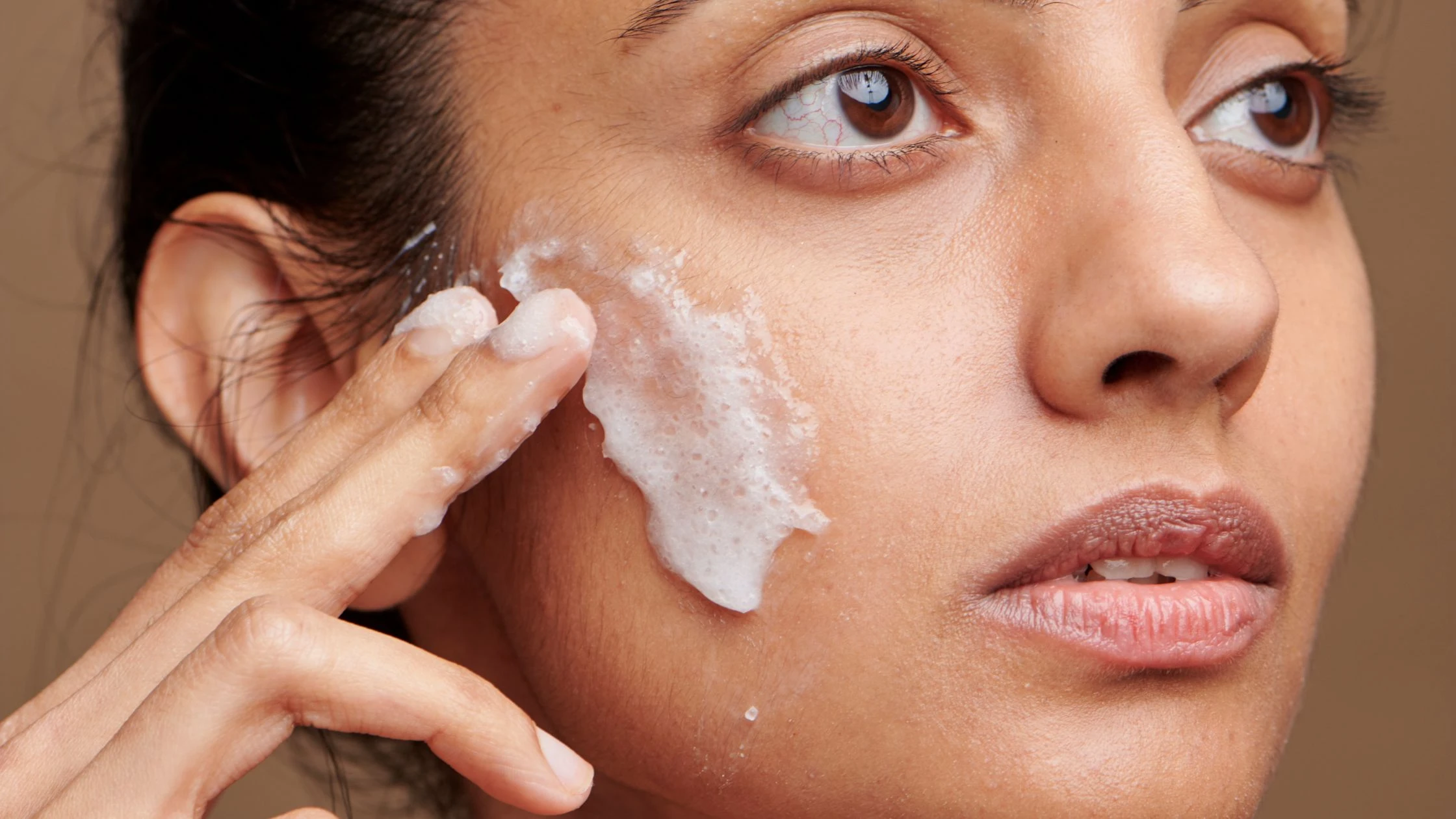
Your skin deserves the best care, and understanding effective skin hydration treatments is the first step toward achieving that healthy, radiant glow. Whether you're dealing with occasional dryness or chronic dehydration, the right approach can transform your skin's appearance and feel. From professional treatments to simple home remedies, there are countless ways to restore moisture and maintain optimal skin hydration. The key lies in understanding your skin's unique needs and choosing treatments that work harmoniously with your lifestyle. Let's explore the most effective methods to keep your skin beautifully hydrated and healthy.
Before diving into treatments, it's crucial to understand what your skin actually needs. Many people confuse dry skin with dehydrated skin, but they're quite different conditions requiring different approaches.
Dry skin lacks oil, while dehydrated skin lacks water. This distinction matters because the treatments vary significantly. Dry skin feels rough and may appear flaky, while dehydrated skin often looks dull and feels tight.
Watch for these telltale signs: tightness after cleansing, fine lines that seem more pronounced, dullness, or skin that feels uncomfortable throughout the day. These indicators help you choose the right dehydrated skin treatment approach.
Professional treatments offer the most dramatic and immediate results for deep skin hydration. These procedures use advanced technology and concentrated ingredients to deliver moisture where your skin needs it most.
HydraFacials combine cleansing, exfoliation, and intense hydration in one treatment. The procedure uses a special device to infuse hydrating serums directly into your skin while removing dead cells and impurities.
Skin boosters containing hyaluronic acid provide long-lasting hydration from within. These treatments involve tiny injections that stimulate your skin's natural moisture production while delivering immediate hydration benefits.
This treatment creates tiny channels in your skin, allowing hydrating serums to penetrate deeper than topical application alone. The combination enhances your skin's ability to absorb and retain moisture.
The right products form the foundation of any successful hydration strategy. Understanding ingredients and application methods helps you build an effective routine that supports your skin's natural moisture barrier.
Hyaluronic acid holds up to 1,000 times its weight in water, making it a powerhouse for hydration. Ceramides help restore your skin's protective barrier, while glycerin draws moisture from the environment into your skin.
Start with the thinnest consistency and work up to heavier creams. Apply hydrating toner, then serum, followed by moisturizer. This layering technique, inspired by Korean skincare, maximizes absorption and effectiveness.
The best skin moisturizers match your skin type and concerns. Oily skin benefits from lightweight, gel-based formulas, while dry skin needs richer creams with occlusive ingredients that prevent water loss.
Sometimes the most effective solutions come from simple, natural approaches. Learning how to hydrate skin naturally gives you tools that work alongside any professional treatment or product routine.
Drinking adequate water supports overall skin health, but it's not the only internal factor. Foods rich in omega-3 fatty acids, like salmon and walnuts, help maintain your skin's natural oil barrier.
Humidity levels significantly impact skin hydration. Using a humidifier, especially during winter months, helps maintain optimal moisture levels in your environment and prevents excessive water loss from your skin.
Harsh cleansing strips away natural oils and disrupts your skin's moisture barrier. Choose gentle, hydrating cleansers and avoid hot water, which can further dehydrate your skin.
When your skin feels particularly parched, these rapid-response techniques provide immediate comfort and hydration. These methods work especially well for emergency situations or when you need quick results.
Overnight masks and sleeping packs work while you rest, providing intensive hydration when your skin's repair processes are most active. Apply a generous layer before bed and wake up to noticeably softer, more hydrated skin.
Keep a hydrating mist handy for quick moisture boosts throughout the day. Look for formulas containing hyaluronic acid or thermal water for the most effective results.
Even with the best intentions, certain habits can sabotage your hydration efforts. Understanding these common pitfalls helps you maintain consistently hydrated, healthy skin.
While exfoliation removes dead skin cells, overdoing it damages your moisture barrier. Limit exfoliation to 2-3 times per week and always follow with hydrating products.
Sun damage accelerates moisture loss and breaks down the proteins that keep your skin plump and hydrated. Daily sunscreen use protects your investment in hydration treatments.
Daily hydrating products should be used twice daily, while intensive treatments like masks can be used 2-3 times per week. Professional treatments typically require monthly sessions for maintenance.
While rare, using too many hydrating products can sometimes lead to congestion. Start slowly with new products and pay attention to how your skin responds.
Apply hydrating products to slightly damp skin for better absorption. Morning and evening applications work best, with heavier treatments reserved for nighttime.
Topical treatments show immediate temporary improvement, with lasting results visible after 2-4 weeks of consistent use. Professional treatments often provide immediate results that improve over time.
Effective skin hydration requires a multi-faceted approach combining the right products, techniques, and lifestyle habits. Whether you choose professional treatments, develop a solid at-home routine, or combine both approaches, consistency is key to maintaining healthy, hydrated skin. Remember that your skin's needs may change with seasons, age, and life circumstances, so stay flexible and adjust your routine accordingly. The investment in proper hydration pays dividends in the form of healthier, more resilient, and naturally radiant skin that looks and feels its best every day.
