


How to Treat Stubborn Acne Effectively: Expert Tips
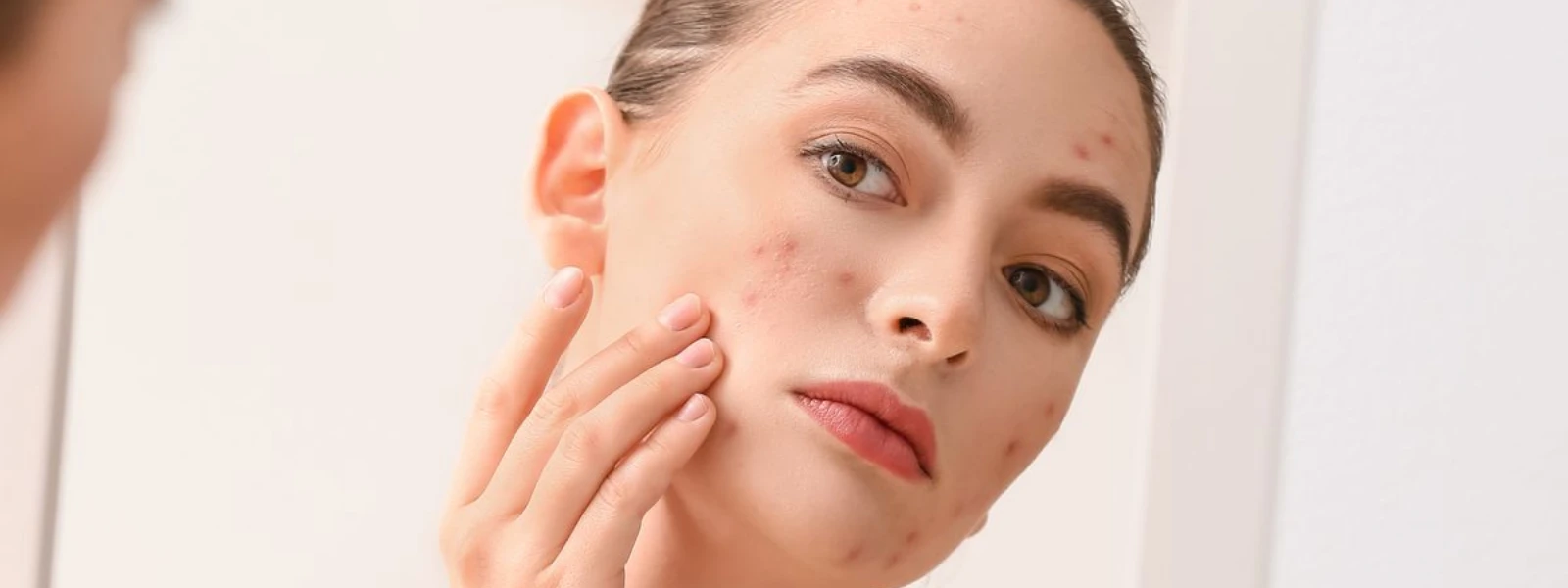
Dealing with stubborn acne can feel like an endless battle. You've tried countless products, followed advice from friends, and yet those persistent breakouts keep returning. The truth is, stubborn acne affects over 50 million Americans annually, with adult acne becoming increasingly common. Unlike occasional pimples, stubborn acne requires a strategic, science-based approach that addresses root causes rather than just surface symptoms. Understanding the difference between regular breakouts and persistent acne is crucial for developing an effective treatment plan that actually works.
Stubborn acne differs significantly from typical teenage breakouts. While regular acne often responds to basic over-the-counter treatments, persistent acne has deeper underlying causes that require targeted acne treatment approaches. The key to effective stubborn acne solutions lies in identifying these root causes and addressing them systematically.
Hormonal acne treatment becomes essential when androgens trigger excess oil production. These hormones fluctuate during menstrual cycles, pregnancy, and stress periods, creating perfect conditions for breakouts. Women often experience jawline and chin acne due to hormonal imbalances that standard topical treatments cannot address alone.
Dehydrated skin acne presents a unique challenge. When skin lacks proper hydration, it overcompensates by producing excess oil, leading to clogged pores. This creates a cycle where treating acne with harsh products further dehydrates skin, worsening the condition. Genetic factors also play a significant role, determining skin type, pore size, and oil production levels that influence acne severity.
Cystic acne remedies require different approaches than surface-level treatments. These deep, painful bumps form when bacteria and oil become trapped beneath the skin's surface. Adult acne treatment differs from teenage acne because adult skin is typically drier and more sensitive, requiring gentler yet effective formulations.
Effective acne treatment relies on proven active ingredients that target multiple acne-causing factors. The best acne products combine these ingredients strategically to maximize results while minimizing irritation. Understanding how each ingredient works helps you build a treatment routine that addresses your specific acne type.
Benzoyl peroxide remains the gold standard for bacterial control. Available in 2.5% to 10% concentrations, it kills acne-causing bacteria while providing gentle exfoliation. Start with lower concentrations to avoid excessive dryness, especially if you have sensitive skin.
Adapalene 0.1% gel offers prescription-strength retinoid benefits without a prescription. This ingredient normalizes skin cell turnover, preventing pore blockages that lead to blackheads and whiteheads. Salicylic acid works as a beta-hydroxy acid, penetrating oil-filled pores to dissolve debris and reduce inflammation.
Prescription-strength retinoids like tretinoin provide more powerful pore-clearing action for severe cases. Topical antibiotics such as clindamycin target bacterial overgrowth while reducing inflammation. Combination therapies often prove most effective, using multiple ingredients that work synergistically to clear stubborn breakouts.
A successful acne skincare routine requires consistency and proper product sequencing. The goal is treating acne breakouts while maintaining skin barrier function. Many people make the mistake of using too many active ingredients simultaneously, which can worsen irritation and delay healing.
Start with gentle cleansing using a mild, non-comedogenic cleanser. Avoid over-cleansing, which strips natural oils and triggers increased oil production. Apply benzoyl peroxide to affected areas, allowing it to dry completely before proceeding to the next step.
Follow with a lightweight, non-comedogenic moisturizer to prevent dehydrated skin acne. Many people skip moisturizer when treating acne, but this mistake often worsens the condition. Finish with broad-spectrum sunscreen of at least SPF 30, as acne treatments can increase sun sensitivity.
Evening routines focus on repair and treatment. Apply adapalene or other retinoids after cleansing, starting with every other night to build tolerance. Use spot treatments containing sulfur or additional benzoyl peroxide on active breakouts, but avoid applying multiple active ingredients to the same area simultaneously.
While professional treatments form the foundation of effective acne care, certain acne home remedies can provide valuable support. These natural approaches work best when combined with proven active ingredients rather than used as standalone treatments.
Tea tree oil at 5% concentration shows antimicrobial properties comparable to benzoyl peroxide but with less irritation. Apply diluted tea tree oil as a spot treatment rather than all-over application. Honey masks provide gentle antibacterial benefits while supporting skin healing.
Green tea application offers anti-inflammatory effects that can calm irritated skin. Zinc supplementation may help reduce acne severity in some individuals, though results vary and should be discussed with healthcare providers.
Diet plays a role in acne development for some people. High-glycemic foods and dairy products may trigger breakouts in sensitive individuals. Stress management through meditation, exercise, or adequate sleep helps regulate hormones that influence acne severity.
Recognizing when to seek professional help prevents acne from progressing to severe stages that cause permanent scarring. Dermatologists offer advanced treatments that go beyond over-the-counter options, providing solutions for the most stubborn cases.
Severe cystic acne remedies require professional intervention. Deep, painful nodules that don't respond to topical treatments need prescription medications or in-office procedures. Scarring or post-inflammatory hyperpigmentation indicates the need for professional treatment to prevent permanent damage.
Oral antibiotics like tetracyclines target bacterial overgrowth from within. Hormonal acne treatment may include birth control pills or spironolactone for women with hormone-driven breakouts. In-office procedures such as chemical peels or cortisone injections provide rapid relief for severe cases.
Understanding what not to do is equally important as knowing proper treatment methods. Many well-intentioned skincare practices actually worsen acne by disrupting skin barrier function or increasing irritation.
Using too many active ingredients simultaneously overwhelms skin and increases irritation. Skipping moisturizer on acne-prone skin leads to dehydration and increased oil production. Inconsistent product application prevents ingredients from building up to therapeutic levels in the skin.
Picking and squeezing pimples introduces bacteria and causes scarring. Over-cleansing strips natural oils, triggering rebound oil production. Ignoring sunscreen when using acne treatments increases photosensitivity and potential for post-inflammatory hyperpigmentation.
Most people see initial improvements within 4-6 weeks of consistent treatment. However, significant clearing often takes 12-16 weeks as skin cell turnover cycles complete.
Yes, but introduce products gradually and avoid applying multiple active ingredients to the same area simultaneously. Start with one treatment and add others slowly to prevent irritation.
This "purging" effect occurs when treatments accelerate skin cell turnover, bringing existing clogs to the surface faster. This temporary worsening typically lasts 4-6 weeks before improvement begins.
No, maintenance treatment prevents new breakouts from forming. Reduce frequency rather than stopping completely, as acne tends to return without ongoing prevention.
Treating stubborn acne successfully requires patience, consistency, and the right combination of proven ingredients. Focus on gentle yet effective approaches that address root causes rather than just surface symptoms. Remember that significant improvement takes time, and maintaining clear skin requires ongoing commitment to proper skincare practices. When over-the-counter treatments aren't sufficient, don't hesitate to seek professional help to prevent scarring and achieve the clear skin you deserve.
