


How to Repair Damaged Skin Barrier: A Complete Guide
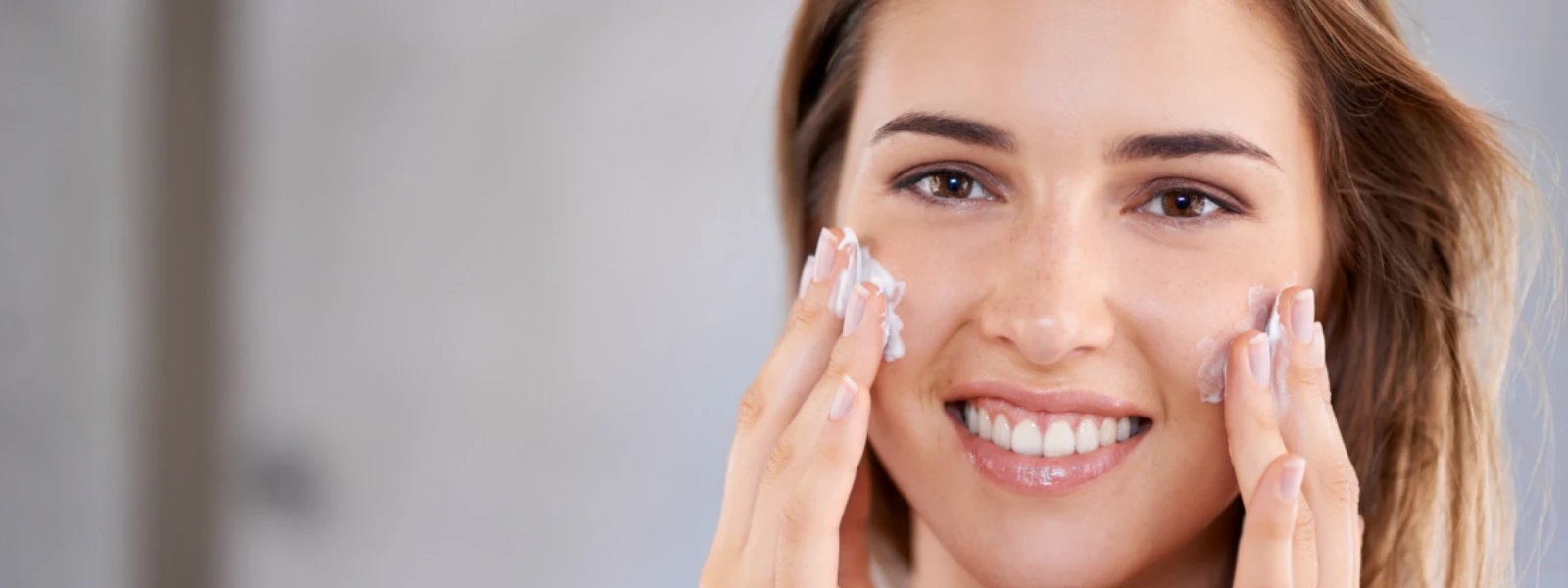
Your skin barrier is like a protective shield that keeps moisture in and harmful elements out. When this natural defense system gets damaged, you might notice increased dryness, sensitivity, and irritation. Understanding how to repair damaged skin barrier is crucial for maintaining healthy, resilient skin. The good news is that with the right approach and consistent care, you can restore your skin's natural protective function and achieve that smooth, comfortable feeling again.
Your skin barrier, also known as the stratum corneum, is the outermost layer of your skin. Think of it as a brick wall where skin cells are the bricks and lipids are the mortar holding everything together.
The skin barrier function relies on a complex structure of ceramides, cholesterol, and fatty acids. These lipids work together to create a waterproof seal that prevents moisture loss and blocks irritants from penetrating deeper skin layers. When functioning properly, your barrier maintains optimal hydration levels and protects against environmental stressors like pollution and UV rays.
Several factors can compromise your skin's protective barrier. Over-exfoliation with harsh scrubs or too many active ingredients can strip away essential lipids. Hot water and aggressive cleansers also disrupt the delicate balance of your skin's natural oils.
Environmental factors play a significant role too:
Extreme weather conditions (cold, wind, low humidity)
Air pollution and UV radiation
Overuse of retinoids or acids without proper preparation
Certain medications that increase skin sensitivity
Medical conditions like eczema or dermatitis
Recognizing the signs of barrier damage early helps you take action before the problem worsens. Your skin will often give you clear signals when its protective function is compromised.
A damaged skin barrier typically shows visible signs of distress. You might notice persistent dryness that doesn't improve with regular moisturizing, along with flaky or rough patches that feel uncomfortable to touch.
Other physical indicators include:
Increased redness and inflammation
Tight feeling after cleansing
Uneven skin texture
More frequent breakouts or skin reactions
Beyond what you can see, you'll likely feel the difference when your barrier is damaged. Products that once felt comfortable may now sting or burn upon application. Your makeup might not apply as smoothly, and your skin may feel more sensitive to temperature changes or fabric friction.
Learning how to repair skin barrier requires a systematic approach that prioritizes healing over quick fixes. This protocol focuses on gentle care and gradual restoration of your skin's natural protective function.
The first step in skin barrier repair involves stopping any activities that might worsen the damage. This means temporarily pausing all active ingredients like retinoids, AHAs, BHAs, and vitamin C for at least three to six weeks.
During this phase:
Switch to gentle, pH-balanced cleansers
Use only lukewarm water for washing
Apply products to slightly damp skin for better absorption
Avoid any physical exfoliation or harsh rubbing
Once the immediate irritation calms down, you can begin introducing barrier-repairing ingredients. Focus on ceramide-rich moisturizers and hydrating serums that help restore skin barrier function without causing additional stress.
Key steps include adding hyaluronic acid serums for deep hydration and implementing occlusive treatments at night to lock in moisture. If your skin tolerates it well, gentle niacinamide can help reduce inflammation and strengthen the barrier.
After four to six weeks of consistent barrier repair, you can gradually reintroduce active ingredients one at a time. Start with the gentlest formulations and monitor your skin's response carefully. This phase focuses on maintaining skin barrier health while slowly building back your skin's tolerance to beneficial actives.
Choosing the right ingredients is crucial for effective barrier restoration. Some components work better than others for rebuilding your skin's protective structure and maintaining long-term health.
Ceramides are perhaps the most important ingredients for barrier repair. These lipids naturally occur in your skin and help restore the protective structure that keeps moisture in and irritants out.
Other powerhouse ingredients include:
Hyaluronic acid - attracts up to 1000 times its weight in water
Niacinamide - reduces inflammation and strengthens barrier function
Glycerin - draws moisture from the environment to your skin
Panthenol - soothes irritation and supports healing
Occlusive ingredients create a protective seal over your skin, preventing water loss during the crucial overnight repair period. Petrolatum remains one of the most effective occlusives, though lighter options like squalane or dimethicone work well for those who prefer less heavy formulations.
While specialized products can be highly effective, several natural approaches can support your skin barrier treatment routine. These gentle methods work well alongside or as alternatives to commercial products.
Oatmeal masks provide gentle exfoliation while soothing inflammation. The beta-glucan in oats helps calm irritated skin and supports the healing process. Raw honey offers antimicrobial properties and helps maintain moisture levels.
Other effective natural treatments include:
Aloe vera gel for cooling relief and hydration
Cold-pressed jojoba oil for lipid replenishment
Argan oil for antioxidant protection
Coconut oil for antimicrobial benefits (if not acne-prone)
Your environment and daily habits significantly impact barrier recovery. Using a humidifier in dry climates helps maintain optimal moisture levels in your skin. Switching to silk or satin pillowcases reduces friction that can further damage compromised barriers.
Simple changes like patting your skin dry instead of rubbing and managing stress through adequate sleep and relaxation techniques can accelerate the healing process.
Choosing the right products is essential for successful barrier repair. Look for formulations specifically designed to support compromised skin without causing additional irritation.
Cream-based, non-foaming cleansers work best for damaged barriers. These formulations clean effectively without stripping essential lipids. Look for pH-balanced options between 5.5 and 6.5 that match your skin's natural acidity level.
A good skin barrier cream should contain multiple ceramides, hyaluronic acid, and niacinamide. Layer a hydrating skin barrier serum underneath your moisturizer for extra hydration. For severe damage, consider using an occlusive treatment like petroleum jelly over your regular moisturizer at night.
Understanding the healing timeline helps set realistic expectations for your barrier repair journey. Most people see initial improvements within the first two weeks, with significant progress by six weeks of consistent care.
During weeks one and two, focus on reducing irritation and inflammation. You should notice less stinging when applying products and decreased redness. Weeks three and four typically bring improved hydration and smoother texture as your barrier begins to rebuild.
By weeks five and six, your skin should feel more resilient and comfortable. This is when you can consider gradually reintroducing gentle actives if desired.
Successful barrier repair shows in both how your skin looks and feels. Reduced sensitivity to products, improved makeup application, and decreased dryness all indicate healing progress. Your skin should feel more comfortable throughout the day and require less frequent moisturizer application.
Most people see significant improvement in 4-6 weeks with consistent care. However, severely damaged barriers may take 8-12 weeks to fully restore. The key is patience and avoiding anything that might re-damage your skin during the healing process.
It's best to avoid retinol and other active ingredients during the initial repair phase. Once your barrier is stronger (usually after 6-8 weeks), you can gradually reintroduce retinol starting with lower concentrations and less frequent use.
Dehydrated skin lacks water, while a damaged barrier has structural problems that affect both water retention and protection. Dehydrated skin repair focuses on adding moisture, while barrier repair requires rebuilding the skin's protective structure with lipids and ceramides.
Consider professional help if you see no improvement after 8 weeks of consistent care, experience severe inflammation, or have underlying skin conditions. A dermatologist can rule out other issues and recommend prescription treatments if needed.
Repairing a damaged skin barrier requires patience, gentle care, and the right ingredients. Focus on ceramides, hyaluronic acid, and niacinamide while avoiding harsh actives during the healing phase. Remember that barrier repair is a gradual process that typically takes 4-6 weeks of consistent effort. With proper care and realistic expectations, you can restore your skin's natural protective function and enjoy healthier, more resilient skin for years to come.
