


How to Reduce Skin Inflammation: Natural Remedies for Relief
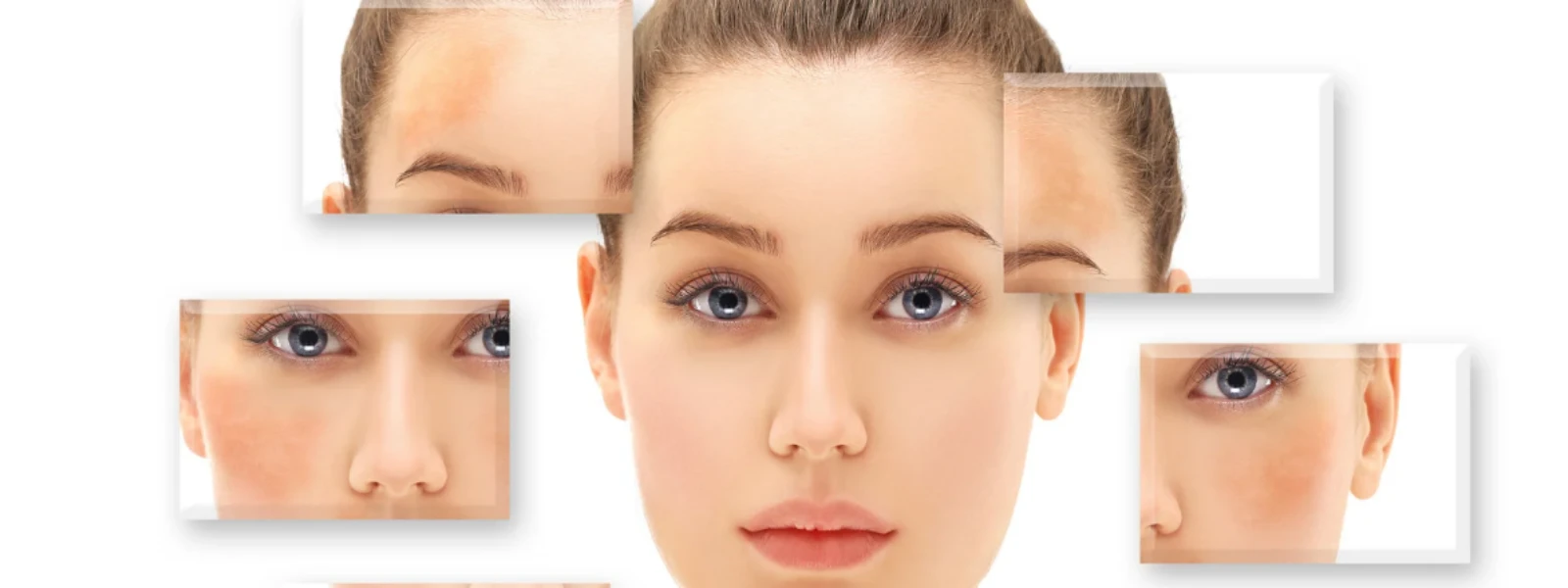
Dealing with red, irritated skin can feel overwhelming, especially when you're not sure what caused the flare-up or how to make it stop. Skin inflammation affects millions of people daily, showing up as redness, swelling, itching, or burning sensations that can disrupt your comfort and confidence. The good news is that you don't always need harsh chemicals or expensive treatments to find relief. Natural remedies, combined with gentle skincare practices and lifestyle adjustments, can effectively calm inflamed skin and help prevent future episodes. Understanding how to reduce skin inflammation naturally empowers you to take control of your skin health while working with your body's healing processes.
Skin inflammation is your body's natural response to irritation, injury, or perceived threats. When your immune system detects something harmful, it sends blood flow and immune cells to the affected area, creating the classic signs we recognize as inflammation. This process, while protective, can become problematic when it's triggered too easily or lasts too long.
Recognizing inflammation early helps you address it before it worsens. The most common signs include:
Redness and heat in affected areas due to increased blood flow
Swelling and tenderness from fluid buildup in tissues
Pain or burning sensations as nerve endings become sensitized
Itching and irritation that can worsen with scratching
Compromised skin barrier function leading to increased sensitivity
Understanding your triggers is crucial for effective skin inflammation relief. Common culprits include environmental factors like harsh weather, pollution, and allergens such as pollen or dust mites. Skincare products containing fragrances, sulfates, or strong actives can also cause reactions, especially in people with sensitive skin care needs.
Underlying conditions like eczema, dermatitis, and rosacea make skin more prone to inflammation. Lifestyle factors including chronic stress, poor sleep, and inflammatory foods can also contribute to skin sensitivity and flare-ups.
When inflammation strikes, quick action can prevent it from getting worse and provide much-needed comfort. The key is to cool the skin, reduce irritation, and protect the compromised barrier while it heals.
Cold therapy is one of the most effective ways to calm inflamed skin quickly. Apply cold compresses for 15-20 minutes at a time, using a clean cloth soaked in cool water or ice packs wrapped in fabric to prevent skin damage. Cool showers can help with widespread inflammation, but keep them short to avoid over-drying your skin.
When dealing with acute inflammation, simplify your routine immediately. Pause all active ingredients like retinol, glycolic acid, or vitamin C for 1-3 days, as these can worsen irritation. Switch to gentle, fragrance-free products and apply barrier protection with ingredients like ceramides or petroleum jelly to help your skin heal.
Nature provides powerful anti-inflammatory ingredients that can effectively calm irritated skin without harsh side effects. These gentle yet effective options work by reducing immune system overactivity and supporting your skin's natural healing processes.
Aloe vera offers immediate cooling relief and contains compounds that reduce inflammation and promote healing. Chamomile provides gentle anti-inflammatory effects and is particularly helpful for sensitive skin care routines. Oatmeal naturally repairs the skin barrier while providing soothing relief, making it excellent for itchy skin solutions.
Tea tree oil can help with acne-related inflammation and seborrheic dermatitis when properly diluted. Lavender oil offers calming skin irritation benefits, while cucumber extract provides cooling relief for red skin remedies. Always perform patch tests before using essential oils, as they can cause reactions in some people.
What you eat directly impacts your skin's inflammatory response. An anti-inflammatory diet can significantly reduce dry skin inflammation and support overall skin health from the inside out.
Focus on omega-3 rich fish like salmon, mackerel, and sardines, which provide essential fatty acids that reduce inflammation. Antioxidant-rich fruits including berries, cherries, and oranges help neutralize free radicals that contribute to skin damage.
Leafy greens like spinach and kale provide vitamins and minerals
Healthy fats from avocados, olive oil, and nuts support skin barrier function
Colorful vegetables offer diverse antioxidants and anti-inflammatory compounds
Green tea provides polyphenols that calm inflammation
Processed sugars and refined carbohydrates can trigger inflammatory responses and worsen skin conditions. Avoid inflammatory oils like corn and soybean oil, and limit foods high in trans fats. Stay hydrated with plenty of water, as dehydration can worsen inflammation and slow healing.
Building an effective routine for inflamed skin requires careful product selection and gentle application techniques. The goal is to cleanse without stripping, moisturize without clogging, and protect without irritating.
Start your morning routine with a gentle, pH-balanced cleanser that won't disrupt your skin barrier. Follow with a lightweight, fragrance-free moisturizer containing soothing inflamed skin ingredients like niacinamide or hyaluronic acid. Always finish with broad-spectrum sunscreen to prevent UV-induced inflammation.
Skip harsh scrubs, alcohol-based toners, and heavily fragranced products during flare-ups. Avoid hot water when cleansing, as it can worsen inflammation and strip natural oils. Be gentle with application techniques, patting products onto skin rather than rubbing vigorously.
Managing skin inflammation effectively requires addressing lifestyle factors that contribute to inflammatory responses. Stress, sleep quality, and environmental exposures all play significant roles in skin health.
Chronic stress increases cortisol levels, which can trigger and worsen skin inflammation. Practice stress-reduction techniques like meditation, deep breathing, or gentle yoga. Prioritize 7-9 hours of quality sleep, as this is when your skin repairs and regenerates most effectively.
Protect your skin from environmental triggers by using air purifiers indoors and wearing protective clothing outdoors. Consider the humidity levels in your home, as both very dry and very humid conditions can worsen certain inflammatory skin conditions. Choose breathable, natural fabrics that won't irritate sensitive skin.
While natural remedies can be highly effective, some situations require professional medical attention. Knowing when to seek help ensures you get appropriate treatment for serious conditions.
Seek immediate medical care if you experience widespread inflammation with fever, signs of infection like pus or red streaking, or if your symptoms worsen despite treatment. Chronic conditions like eczema treatment, dermatitis relief, or rosacea management often benefit from professional guidance.
Dermatologists can prescribe targeted treatments and help identify specific triggers through allergy testing. They may recommend prescription anti-inflammatory medications or specialized treatments that aren't available over-the-counter.
Apply cold compresses for 15-20 minutes, switch to gentle fragrance-free products, and temporarily stop using active ingredients like retinol or acids. Use natural soothing ingredients like aloe vera or oatmeal for additional relief.
Focus on omega-3 rich fish, colorful fruits and vegetables, leafy greens, and healthy fats from sources like avocados and olive oil. These foods provide antioxidants and anti-inflammatory compounds that support skin health.
Mild inflammation may improve within 24-48 hours with proper care, while chronic conditions may take 2-4 weeks of consistent treatment to show significant improvement. Patience and consistency are key to successful healing.
Yes, chronic stress increases cortisol levels, which can trigger inflammatory responses in the skin. Managing stress through relaxation techniques, adequate sleep, and regular exercise can significantly improve skin health.
Reducing skin inflammation naturally involves a combination of immediate relief strategies and long-term lifestyle changes. Cold therapy, gentle skincare products, and natural anti-inflammatory ingredients can provide quick comfort, while dietary changes and stress management support lasting skin health. Remember that consistency is crucial, and what works for one person may not work for another. Pay attention to your skin's responses and adjust your approach accordingly. If natural remedies don't provide relief within a reasonable timeframe, don't hesitate to consult with a dermatologist for professional guidance and treatment options.
