


How to Heal Compromised Skin Barrier: A Step-by-Step Guide
Your Cart
0You May Also Like
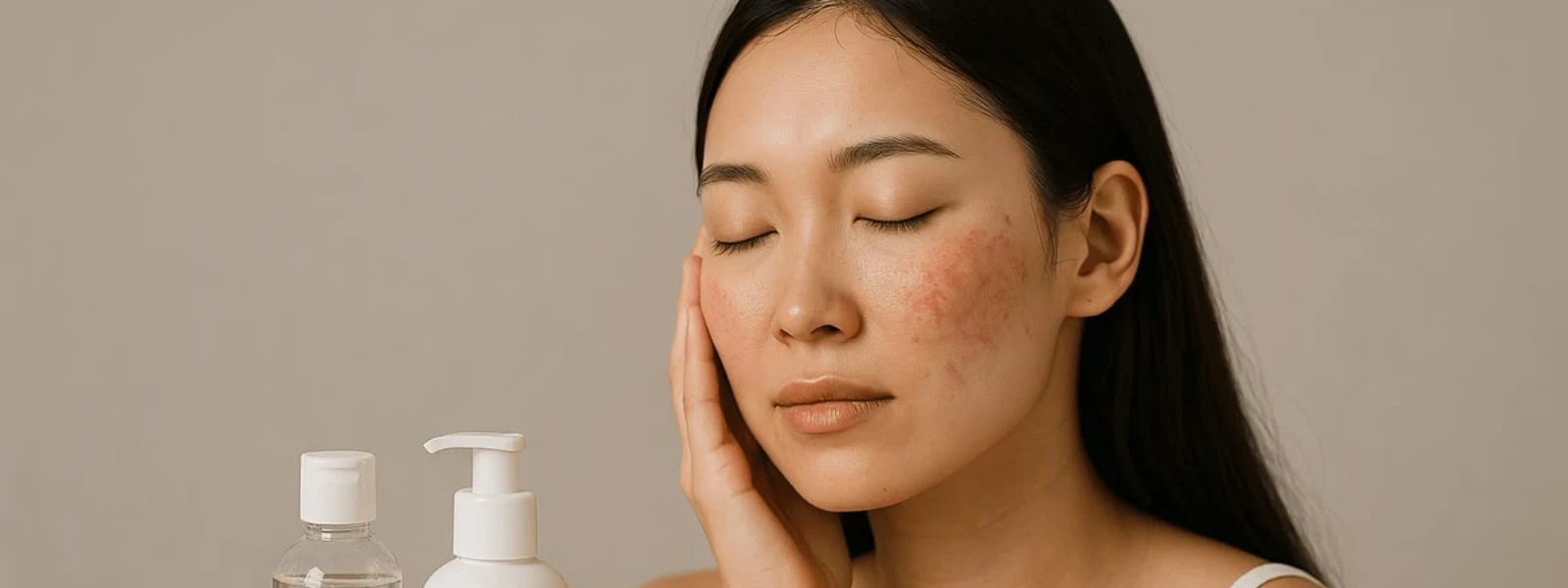
Your skin barrier is like a security guard for your face – when it's working well, you barely notice it. But when it's compromised, everything feels wrong. Your moisturizer stings, your skin looks dull despite your routine, and products that used to work suddenly don't. If you're dealing with persistent dryness, unexpected sensitivity, or that tight, uncomfortable feeling that won't go away, your skin barrier might need some serious TLC. The good news? With the right approach, most barrier damage can heal in 2-4 weeks. Asaya's approach to barrier repair focuses on gentle, science-backed ingredients that work specifically with melanin-rich skin's unique needs.
A compromised skin barrier shows up as persistent dryness, stinging from gentle products, and increased sensitivity – it's your skin's protective layer breaking down
Repair happens in steps: simplify your routine, use gentle cleansing, layer hydrating ingredients, and seal with barrier-supporting creams
Most barrier damage heals in 2-4 weeks with consistent care, using ingredients like ceramides, niacinamide, and hyaluronic acid
Your skin barrier is the outermost layer of your skin, made up of skin cells held together by lipids like ceramides, cholesterol, and fatty acids. Think of it like a brick wall – the skin cells are the bricks, and the lipids are the mortar holding everything together. When this barrier is healthy, it keeps moisture in and irritants out.
When your barrier gets compromised, those lipids break down and create gaps. Water escapes more easily, making your skin dehydrated. At the same time, bacteria, pollution, and other irritants can get in more easily, causing inflammation and sensitivity. This is why signs of compromised skin barrier often include both dryness and increased reactivity to products you used to tolerate just fine.
For melanin-rich skin, barrier damage can also trigger post-inflammatory hyperpigmentation. When your barrier can't protect against irritation properly, even minor inflammation can lead to dark spots that stick around for months.
Barrier damage doesn't always announce itself dramatically. Sometimes it creeps up slowly, and you might mistake the symptoms for other skin issues. Here's what to watch for:
Persistent dryness despite moisturizing is often the first sign. Your usual moisturizer stops working, or you find yourself needing to reapply it multiple times a day. Your skin drinks up products but still feels tight an hour later.
Increased sensitivity to previously tolerated products is another red flag. That vitamin C serum you've used for months suddenly stings, or your gentle cleanser starts feeling harsh. This happens because your compromised barrier can't buffer irritants the way it used to.
You might notice rough, flaky, or tight-feeling skin texture that doesn't improve with exfoliation. In fact, trying to scrub away the flakiness usually makes things worse. The texture issues come from your skin cells not holding together properly without adequate lipids.
An overexfoliated skin barrier often shows up as shiny, almost plastic-looking skin that's simultaneously dry and irritated. This happens when you've stripped away too much of the protective layer with acids or physical scrubs.
Other signs include unexplained breakouts, stinging from gentle products, visible redness, and that overall feeling that your skin just isn't behaving normally.
Understanding what caused your barrier damage helps prevent it from happening again. Over-exfoliation is probably the most common culprit – using acids too frequently, combining multiple actives, or scrubbing too aggressively. Your skin needs time to rebuild between exfoliation sessions.
Harsh cleansing products and hot water strip away natural oils faster than your skin can replace them. If your cleanser leaves your skin feeling squeaky clean, it's probably too strong. The same goes for long, hot showers – they feel good in the moment but can leave your barrier compromised.
Environmental factors play a big role too. Air conditioning, heating, pollution, UV damage, and extreme weather all stress your barrier. Even stress itself can weaken your skin's defenses by increasing inflammation and disrupting normal repair processes.
For sensitive skin barrier repair, it's worth noting that some people are just more prone to barrier issues due to genetics, certain medications, or underlying skin conditions like eczema.
Healing a compromised barrier requires patience and a strategic approach. You can't rush the process, but you can create the best possible conditions for your skin to repair itself.
The first step in how to fix dehydrated skin barrier is to stop doing anything that might be making it worse. Remove all active ingredients – no retinoids, acids, or vitamin C for now. Stick to the basics: gentle cleanser, hydrating serum or essence, moisturizer, and sunscreen during the day.
This might feel counterproductive, especially if you're used to a multi-step routine. But your barrier needs a break from processing active ingredients so it can focus on rebuilding.
Switch to lukewarm water and a soap-free, fragrance-free cleanser. If your barrier is severely damaged, you might even want to cleanse only once a day, preferably at night to remove sunscreen and daily buildup.
Pat your skin dry instead of rubbing. Rubbing creates friction that can further damage weakened skin cells. Leave your skin slightly damp before applying your next product – this helps lock in moisture.
This is where skin barrier repair ingredients become crucial. Layer a hydrating serum or essence before your moisturizer. Look for ingredients like hyaluronic acid, glycerin, or sodium PCA that draw moisture into your skin.
Apply products to slightly damp skin when possible. This helps create a better seal and maximizes hydration. Think of it like applying lotion to damp skin after a shower – it just works better.
Your skin barrier cream should contain ingredients that actually help rebuild the barrier structure. During the day, always finish with SPF – UV damage will slow down your healing process significantly.
At night, consider using a slightly heavier moisturizer or adding a few drops of face oil to create an occlusive layer that prevents water loss while you sleep.
Not all ingredients are created equal when it comes to barrier repair. Some actively help rebuild the structure, while others just provide temporary relief.
Ceramides are probably the most important ingredient for barrier repair. They're naturally found in healthy skin barriers and help restore the lipid structure. Look for products with multiple types of ceramides for the best results.
Niacinamide is excellent for barrier support because it helps your skin produce more of its own ceramides and fatty acids. It also has anti-inflammatory properties that calm irritation while your barrier heals.
Hyaluronic acid provides deep hydration by holding up to 1000 times its weight in water. It plumps the skin and creates a moisture reservoir that supports the healing process.
Fatty acids like omega-3 and omega-6 are building blocks for healthy barrier lipids. You can get these from skincare products or by incorporating foods rich in these fatty acids into your diet.
Other helpful ingredients include cholesterol, squalane, and peptides that stimulate natural repair processes. During recovery, avoid anything with alcohol, strong fragrances, or essential oils that might cause further irritation.
The timeline to restore skin barrier function depends on how damaged it was to begin with and how consistently you stick to your repair routine.
In the first 1-2 weeks, you should notice that your skin feels less tight and reactive. Products that used to sting might start feeling comfortable again. Your skin might still look a bit dull or flaky, but the uncomfortable sensations should start improving.
By weeks 3-4, you should see significant improvement in texture and hydration. Your skin should feel more comfortable throughout the day, and you might be able to start reintroducing very gentle actives if you want to.
For severe damage, complete recovery can take 2-3 months. This is normal – your skin has to rebuild those lipid structures from scratch, and that takes time. Factors like age, overall health, sleep quality, and stress levels all affect how quickly your skin heals.
Signs that your barrier is successfully healing include improved comfort, better product tolerance, more even texture, and that healthy glow that comes from well-hydrated skin.
In most cases, no. Your skin has remarkable healing abilities, and even severely damaged barriers can recover with proper care. However, certain medical conditions or repeated severe damage might cause long-term changes. If you're not seeing improvement after 6-8 weeks of consistent barrier repair, consider consulting a dermatologist.
Natural approaches include using gentle oils like jojoba or argan oil, eating foods rich in omega fatty acids, staying hydrated, getting adequate sleep, and managing stress. However, don't feel like you have to avoid all synthetic ingredients – some of the most effective barrier repair ingredients like ceramides and hyaluronic acid are lab-created versions of what's naturally in your skin.
Jojoba oil is excellent because it's technically a wax ester that closely mimics your skin's natural sebum. Argan oil provides vitamin E and fatty acids, while rosehip oil offers additional antioxidants. The key is using them sparingly – a few drops mixed into your moisturizer or applied as a final step.
Avoid all exfoliating acids, retinoids, vitamin C, physical scrubs, alcohol-based toners, and products with strong fragrances or essential oils. Also skip long hot showers, harsh cleansers, and the temptation to pick at flaky skin.
Asaya's formulations include barrier-supporting ingredients like niacinamide and are designed to be gentle on melanin-rich skin. The focus on reducing inflammation while treating pigmentation can support overall skin health during the barrier repair process.
Healing a compromised skin barrier requires patience, but it's absolutely doable with the right approach. Focus on gentle, consistent care rather than trying to speed up the process with more products or stronger ingredients. Your skin will thank you for the break.
Remember that barrier health and pigmentation issues often go hand in hand, especially in melanin-rich skin. This is where Asaya's MelaMe™ Complex becomes particularly relevant. This advanced skincare engineering has been designed to visibly treat discolouration while being gentle enough not to compromise your barrier further. MelaMe™ works by breaking down excess melanin deposits into re-absorbable amino acids while inhibiting future melanin production, helping restore even-toned skin within 2 weeks of regular use. The gentle yet effective approach means you can address pigmentation concerns without the harsh irritation that often leads to barrier damage in the first place.
