


How to Apply Moisturizer: Unlock Skin Hydration
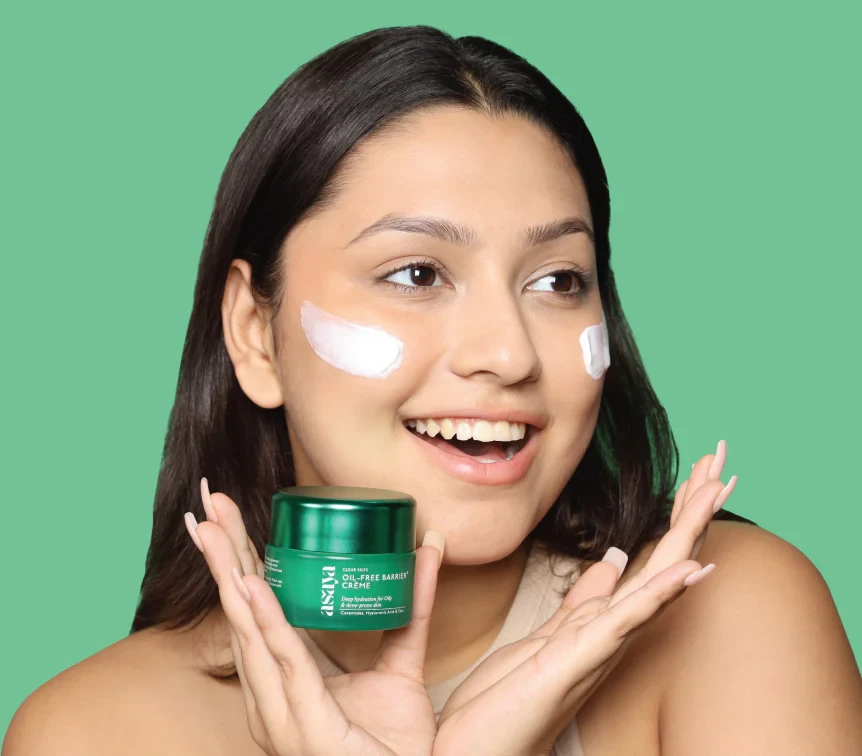
Your skin deserves better than a rushed swipe of cream each morning. Most people miss out on the incredible benefits of using facial moisturizer simply because they don't know how to apply it properly. Think of moisturizer as your skin's daily shield and repair system rolled into one. When you understand the science behind hydration and master the right techniques, you unlock your skin's natural glow and resilience. This guide reveals everything you need to know about maximizing facial moisturizer benefits through proper application and product selection.
Every skin type benefits from proper hydration, even if yours feels oily or combination. Your skin works around the clock to protect you from environmental damage, pollution, and daily stress. Without adequate moisture support, this protective barrier weakens and struggles to do its job effectively.
Your skin's outer layer acts like a brick wall, with skin cells as bricks and natural oils as mortar. When this barrier stays strong, it locks moisture in and keeps irritants out. Moisturizer for dehydrated skin works by filling gaps in this protective wall and creating an additional seal on top.
Even oily skin produces excess oil when it's actually dehydrated underneath. A good daily face moisturizer helps balance this oil production naturally. Dry skin obviously needs extra hydration, while sensitive skin benefits from the soothing and protective qualities of gentle formulas.
The importance of facial moisturizer goes far beyond basic hydration. Regular use creates both immediate improvements and long-term skin health benefits that compound over time.
Locks in moisture by creating a protective seal that prevents water loss throughout the day. You'll notice softer, more supple skin within minutes of application. Plumps skin by drawing water into skin cells, which smooths out fine lines and creates that coveted dewy glow. Soothes irritation from environmental factors like wind, air conditioning, or heating systems that can leave skin feeling tight and uncomfortable.
Reduces signs of aging by maintaining skin elasticity and supporting natural collagen production. Well-hydrated skin bounces back from daily stress more effectively. Improves skin texture over time as consistent hydration helps cell turnover and creates a smoother surface. Strengthens skin barrier function, making your skin more resilient against future damage and irritation.
Prepares for makeup by creating a smooth, hydrated base that helps foundation apply evenly and last longer. Protects against environmental damage by forming a barrier against pollution, harsh weather, and indoor heating or cooling. Aids nighttime repair processes when your skin naturally regenerates and heals from daily damage.
Choosing the right hydrating face cream depends on your specific skin type and concerns. Understanding key ingredients helps you make informed decisions about what will work best for your unique needs.
Hyaluronic acid acts like a moisture magnet, holding up to 1,000 times its weight in water. This ingredient works for all skin types without feeling heavy or greasy. Ceramides help restore and maintain your skin's natural barrier function. Glycerin draws moisture from the environment into your skin throughout the day. Soothing agents like aloe vera and niacinamide calm irritation while providing hydration.
For dry skin, look for rich, cream-based formulas with ingredients like shea butter or squalane. Oily skin benefits from lightweight, gel-based options that hydrate without adding excess oil. Combination skin may need different products for different areas, or a balanced formula that works everywhere. Sensitive skin requires fragrance-free, hypoallergenic options with minimal ingredients.
Proper application technique makes the difference between good results and amazing ones. How moisturizer helps skin depends largely on when and how you apply it.
Morning application should happen after cleansing but before sunscreen. Your skin is clean and ready to absorb moisture, plus the moisturizer creates a protective base for the day ahead. Evening application works best as the final step in your routine, after any treatments or serums. This gives your skin all night to absorb the benefits while you sleep.
Start with clean hands and a pea-sized amount of product. Warm it between your palms, then gently press into your skin starting from the center of your face and working outward. Use upward motions on your neck and gentle patting around the delicate eye area. Don't forget often-missed spots like your ears and the area around your hairline.
Using too much product can clog pores and prevent proper absorption. Applying to dirty skin traps bacteria and reduces effectiveness. Rubbing too vigorously can irritate skin and break down the moisturizer's beneficial ingredients.
Many people avoid moisturizer due to misconceptions about how it affects their skin. Understanding the facts helps you make better decisions about your skincare routine.
The biggest myth is that oily skin doesn't need moisturizer. In reality, skipping moisturizer often makes oily skin worse by triggering increased oil production. Another common concern is that moisturizer causes breakouts, but this usually happens when using the wrong formula for your skin type, not from moisturizing itself.
Non-comedogenic formulas won't clog pores, making them safe for acne-prone skin. Always patch test new products on a small area before applying to your entire face. If you experience persistent irritation or breakouts, consult a dermatologist to identify potential allergens or underlying skin conditions.
Moisturizing maintains your skin's protective barrier, prevents water loss, and protects against environmental damage while supporting natural repair processes. It's essential for healthy skin at any age.
Yes, daily facial moisturizer use is recommended for all skin types. Consistent hydration maintains optimal skin health and prevents many common skin problems.
Absolutely. Daily moisturizing helps balance oil production and prevents skin from overproducing sebum as a response to dehydration.
Daily benefits include improved hydration, stronger skin barrier, reduced signs of aging, better makeup application, and protection against environmental stressors.
When properly matched to your skin type, moisturizers rarely cause issues. Choose non-comedogenic formulas and patch test new products to avoid potential reactions.
The benefits of using facial moisturizer extend far beyond basic hydration. Proper application and product selection transform your skin's health, appearance, and resilience over time. Remember that consistency matters more than perfection – even a simple routine followed daily beats an elaborate one used sporadically. Your skin adapts and improves with regular care, so give any new routine at least four weeks to show results. Start with these techniques today and watch your skin transform into its healthiest, most radiant version.
