


Dehydrated Skin FAQ: Why It Feels Rough & Flaky
Your Cart
0You May Also Like
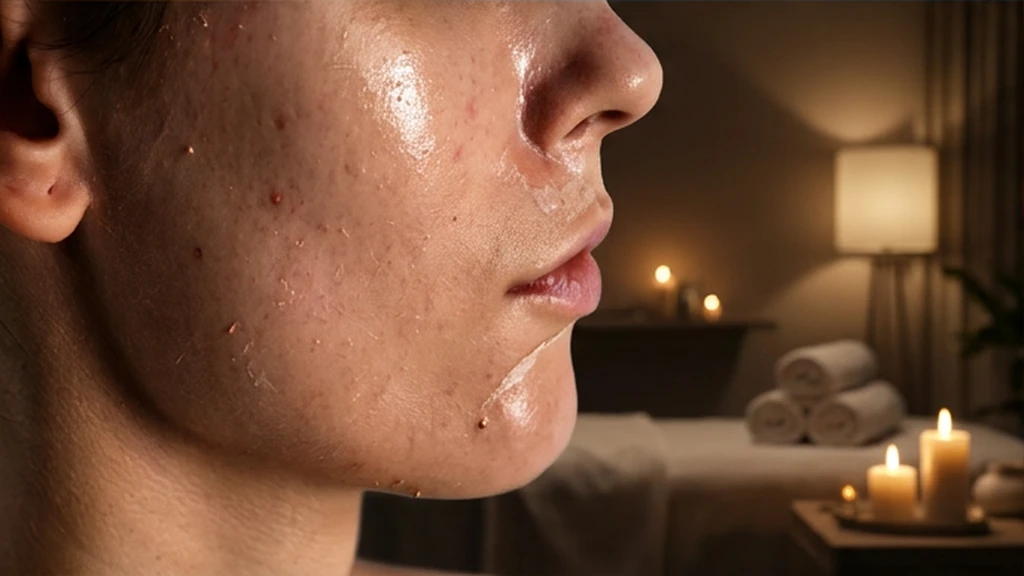
You wash your face, apply your usual products, and then touch your cheek only to feel unexpected roughness. Your skin looks fine from a distance, but up close it feels like sandpaper with tiny flakes that catch the light. This texture issue often signals dehydrated skin, which is different from dry skin in important ways. While dry skin lacks oil, dehydrated skin lacks water, and this water shortage creates that distinctive rough, flaky feeling that no amount of moisturizer seems to fix completely. Understanding why dehydration affects your skin's surface texture is the first step toward getting that smooth, comfortable feeling back.
Dehydrated skin feels rough and flaky because water shortage disrupts your skin barrier, causing dead cells to build up instead of shedding smoothly.
Unlike dry skin (which needs oil), dehydrated skin needs water-based hydration through ingredients like hyaluronic acid and glycerin.
The rough texture improves within days of proper hydration, but rebuilding a healthy skin barrier takes 2-4 weeks of consistent care.
The difference between dry and dehydrated skin explains why your usual moisturizer might not be fixing that rough texture. Dry skin lacks sebum (natural oils) and tends to feel tight and look flaky consistently. Dehydrated skin lacks water and can happen to anyone, even people with oily skin types.
When your skin is dehydrated, the water content in your skin cells drops below normal levels. This affects how your skin functions at the cellular level. Signs of dehydrated skin include that rough, bumpy texture, flakiness that appears suddenly, skin that feels tight after cleansing, and fine lines that seem more pronounced than usual. You might also notice your skin looks dull or feels uncomfortable even after applying moisturizer.
Your skin barrier function depends heavily on adequate water content. When skin cells don't have enough water, they shrink and become rigid instead of plump and flexible. This creates gaps between cells, making your skin feel rough to the touch.
The flaky appearance happens because dehydrated skin cells don't shed properly. Normally, dead skin cells on the surface slough off invisibly through a process called desquamation. But when cells are water-depleted, they stick together and accumulate on the surface, creating visible flakes and that sandpaper-like texture.
Your skin's natural moisturizing factors (NMF) also become less effective when water levels drop. These include amino acids, urea, and lactic acid that help your skin hold onto moisture. Without enough water, these compounds can't do their job properly, leading to more causes of rough skin texture and persistent flakiness.
The feeling of tight skin is often the first sign of dehydration, especially after cleansing. Unlike dry skin tightness that feels consistent, dehydrated skin tightness comes and goes depending on environmental factors and your skincare routine.
Try the pinch test: gently pinch a small area of skin on your cheek and release. If the skin takes a moment to bounce back to its normal position, it's likely dehydrated. Well-hydrated skin snaps back immediately.
Other signs include facial dryness that appears suddenly, makeup that doesn't apply smoothly, and skin that feels rough in patches rather than all over. You might also notice increased sensitivity to products that never bothered you before, as dehydrated skin has a compromised barrier that lets irritants in more easily.
Learning how to hydrate skin properly starts with understanding the difference between hydrating and moisturizing products. Hydrating products add water to your skin, while moisturizing products add oils and create a barrier to prevent water loss. Dehydrated skin needs both, but in the right order.
Start with a hydrating serum containing hyaluronic acid, which can hold up to 1000 times its weight in water. Apply it to slightly damp skin so it has moisture to grab onto. Follow with a lightweight moisturizer that contains ceramides or glycerin to help seal that hydration in.
For immediate relief, try the layering method: apply your hydrating serum, wait 30 seconds, then apply another thin layer. This gives your skin multiple opportunities to absorb water. These moisturizing tips for dry skin work even better for dehydrated skin because you're addressing the root cause.
Skin texture improvement requires consistent hydration over time. Build a routine that includes a gentle, non-stripping cleanser, a hydrating toner or essence, a water-based serum, and a moisturizer appropriate for your skin type.
Environmental factors play a huge role in skin hydration. Use a humidifier in dry climates or during winter months. Avoid long, hot showers that strip your skin's natural moisture. Consider your lifestyle factors too - dehydration from not drinking enough water, excessive caffeine, or alcohol can all contribute to skin dehydration.
These skin flakiness remedies work best when you're patient with the process. While you might feel immediate relief from roughness within a day or two of proper hydration, rebuilding a healthy skin barrier takes about 28 days, which is one complete skin cell turnover cycle.
You'll typically feel relief from tightness and roughness within 24-48 hours of proper hydration. However, completely restoring your skin barrier and achieving consistently smooth texture takes 2-4 weeks of consistent care.
Yes, absolutely. Oily skin can be dehydrated because oil production and water content are separate issues. In fact, sometimes oily skin overproduces sebum to compensate for dehydration, making the problem worse.
Avoid physical exfoliation when your skin is dehydrated, as it can worsen the barrier damage. Focus on hydration first. Once your skin feels more comfortable, you can introduce gentle chemical exfoliation if needed.
If you're only using moisturizer without adding hydration first, you might be sealing in dehydration. Try adding a hydrating serum before your moisturizer, and make sure you're using products designed for your specific skin type.
Asaya formulates with melanin-rich skin in mind, understanding that dehydration can worsen the appearance of dark spots and uneven tone. Their products focus on barrier repair alongside targeted treatments for pigmentation concerns.
While staying hydrated internally helps, topical hydration is more effective for fixing skin texture issues. Your skin is the last organ to receive water from what you drink, so direct application works faster.
Understanding why dehydrated skin feels rough and flaky helps you choose the right solutions. The key is addressing water loss, not just adding more oils to your routine. With consistent hydration and barrier repair, that sandpaper texture can transform into smooth, comfortable skin within weeks.
For those dealing with both dehydration and pigmentation concerns, Asaya's MelaMe™ Complex offers a comprehensive approach. This advanced skincare engineering has been designed to visibly treat discolouration and restore pigment balance within 2 weeks of regular use. MelaMe™ works by breaking down excess melanin deposits into re-absorbable amino acids while inhibiting future melanin overproduction. This dual action not only addresses dark spots but also supports overall skin health and barrier function, creating the ideal environment for maintaining proper hydration levels and smooth skin texture.
