

7 Ceramide Secrets to Heal Your Skin Barrier Fast
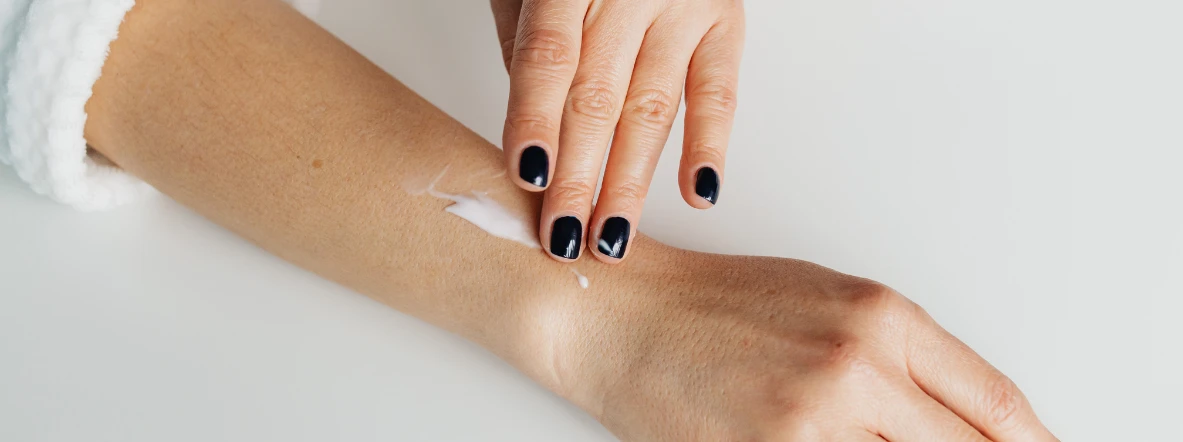
Your skin barrier is like a protective wall that keeps moisture in and irritants out. When this barrier gets damaged, your skin feels tight, looks dull, and struggles to stay hydrated. The good news? Ceramides are your skin's best friend for fast barrier repair. These powerful lipid molecules make up about 50% of your skin's outer layer and hold the key to transforming damaged, dehydrated skin into a healthy, glowing complexion. Let's dive into seven game-changing secrets that will help you understand how ceramides repair skin barrier and get your skin back to its best state.
Think of ceramides as the mortar between bricks in a wall. Your skin cells are the bricks, and ceramides are what holds everything together. These essential lipid molecules create a protective seal that keeps water in and harmful substances out.
Ceramides are complex lipid molecules that naturally occur in your skin. There are three main types found in healthy skin, each playing a unique role in maintaining skin barrier function. They work together to create a waterproof seal that prevents moisture loss and protects against environmental damage. When your ceramide levels are optimal, your skin feels soft, looks plump, and stays comfortable all day.
A compromised skin barrier shows clear warning signs. You might notice persistent dryness, increased sensitivity, or that tight feeling after cleansing. Dehydrated skin often looks dull and feels rough to the touch. When your barrier is damaged, it loses ceramides first, creating a cycle where your skin becomes increasingly vulnerable to irritation and moisture loss.
The magic of ceramide benefits for skin lies in their ability to rebuild your skin's protective structure from the inside out. When you apply ceramides topically, they immediately get to work filling gaps in your damaged lipid arrangement.
Within the first 24 to 48 hours of using ceramide products, your skin begins to restore its water-tight barrier function. Ceramides fill microscopic gaps between skin cells, creating an immediate improvement in hydration levels. This rapid response is why many people notice their skin feels more comfortable almost immediately after starting a ceramide routine.
The real transformation happens over 4 to 6 weeks of consistent use. Research shows that topical ceramides don't just provide temporary relief – they actually signal your skin to produce more of its own ceramides. This creates lasting improvement in skin barrier repair that continues even after you stop using the products.
While many people think ceramides are just another moisturizing ingredient, their benefits extend far beyond simple hydration. These powerful molecules create a comprehensive defense system for your skin.
Ceramides work by preventing transepidermal water loss, which is the scientific term for moisture escaping through your skin. Unlike regular moisturizers that sit on top of your skin, ceramides integrate into your skin's structure. This creates lasting hydration that doesn't wash off or wear away throughout the day. The result is skin that feels plump, supple, and comfortable for hours.
A healthy ceramide barrier acts like an invisible shield against environmental stressors. It defends against pollutants, reduces UV damage, and minimizes sensitivity to irritants. When your skin lipid barrier is strong, you'll notice less redness, fewer breakouts, and improved tolerance to active ingredients in your skincare routine.
While ceramides are powerful on their own, combining them with complementary ingredients creates an even more effective dehydrated skin treatment. The right ingredient partnerships can accelerate healing and provide better results.
Niacinamide is a game-changer when paired with ceramides. This vitamin B3 derivative actually boosts your skin's natural ceramide production while reducing inflammation. Apply niacinamide first, followed by your ceramide product. This combination is particularly effective for addressing damaged skin barrier issues caused by over-exfoliation or harsh treatments.
Layering hyaluronic acid under ceramides creates what skincare experts call a "moisture sandwich." The hyaluronic acid draws water into your skin, while ceramides seal it in. Apply hyaluronic acid to damp skin, wait a minute, then follow with your ceramide moisturizer. This technique is especially effective for morning routines when you need long-lasting hydration.
Understanding how to heal skin barrier naturally involves both topical treatments and supporting your body's own ceramide production. Your skin has an amazing ability to repair itself when given the right tools.
Nature provides several excellent sources of ceramides. Wheat germ and rice bran contain ceramides that are nearly identical to those found in human skin. Sunflower and soybean-derived ceramides are also highly effective. These plant-based options are often gentler than synthetic versions and work well for sensitive skin types.
Your lifestyle choices directly impact your skin's ceramide levels. Getting adequate omega-3 fatty acids from fish or flaxseed supports natural ceramide synthesis. Avoiding over-cleansing and using gentle, pH-balanced products helps preserve existing ceramides. Even your sleep quality affects barrier repair, as most skin regeneration happens overnight.
The way you apply ceramide skincare products can make or break their effectiveness. Proper technique ensures maximum absorption and faster results.
Timing is everything when it comes to ceramide application. Apply your ceramide products within three minutes of cleansing while your skin is still slightly damp. This technique, called "wet skin application," helps trap moisture and enhances ceramide penetration. The slight dampness creates the perfect environment for ceramides to integrate into your skin's structure.
If you're using multiple ceramide products, apply them from thinnest to thickest consistency. Start with ceramide serums, follow with lightweight moisturizers, then finish with heavier creams if needed. Wait about 30 seconds between each layer to allow proper absorption. This method prevents pilling and ensures each product can work effectively.
Your skin does its most intensive repair work while you sleep, making nighttime the perfect opportunity to maximize ceramide benefits. Understanding this natural rhythm can help you get better results from your routine.
During sleep, your skin's absorption rate increases significantly. Cell turnover accelerates, and your skin becomes more receptive to active ingredients. This is when ceramides can penetrate deepest and work most effectively. Your circadian rhythm actually enhances barrier repair processes, making nighttime application up to three times more effective than daytime use.
After a night of ceramide treatment, you should notice immediate improvements. Your skin will feel softer and look more radiant. Over time, you'll see reduced fine lines, improved texture, and better overall skin health. Keep track of these changes by taking weekly photos in the same lighting – the progressive improvements will motivate you to stick with your routine.
Some barrier damage requires more intensive treatment approaches. If you've tried basic ceramide products without success, these advanced strategies can help address persistent issues.
For conditions like eczema or dermatitis, look for ceramide products specifically formulated for compromised skin. These often contain higher concentrations of ceramides plus additional barrier-supporting ingredients. Post-treatment skin recovery, such as after chemical peels or laser procedures, also benefits from intensive ceramide therapy to speed healing and prevent complications.
While at-home ceramide products are effective for most people, severe barrier damage might require professional intervention. Dermatologists can prescribe prescription-strength ceramide treatments or recommend in-office procedures that enhance ceramide absorption. The key is knowing when to seek professional help – if your skin doesn't improve after 6-8 weeks of consistent ceramide use, it's time to consult an expert.
Most people notice immediate hydration improvements within 24-48 hours. However, true barrier repair takes 4-6 weeks of consistent use. The timeline depends on the severity of damage and your skin's natural healing ability.
Yes, ceramides are gentle enough for daily use. In fact, consistent daily application provides the best results for skin barrier repair. Start with once daily and gradually increase to twice daily if your skin tolerates it well.
Dry skin lacks oil, while dehydrated skin lacks water. Ceramides for dry skin work by preventing moisture loss, while for dehydrated skin, they help retain water that's already present. Both conditions benefit from ceramide treatment, but the approach may differ slightly.
No, there are different types of ceramides with varying molecular structures. The most effective ceramide skincare products contain multiple types of ceramides that work together to rebuild your barrier more completely.
Ceramides are your skin's natural repair system, and understanding how to use them effectively can transform your skin health. The seven secrets we've covered – from proper application techniques to strategic ingredient combinations – provide a comprehensive approach to barrier repair. Remember that consistency is key, and results build over time. Start with one or two ceramide products, master the application techniques, and gradually build a routine that supports your skin's natural healing processes. With patience and the right approach, you'll discover just how powerful ceramides can be for creating healthy, resilient skin.
