

7 Best Ceramides for Dry, Flaky Skin Relief
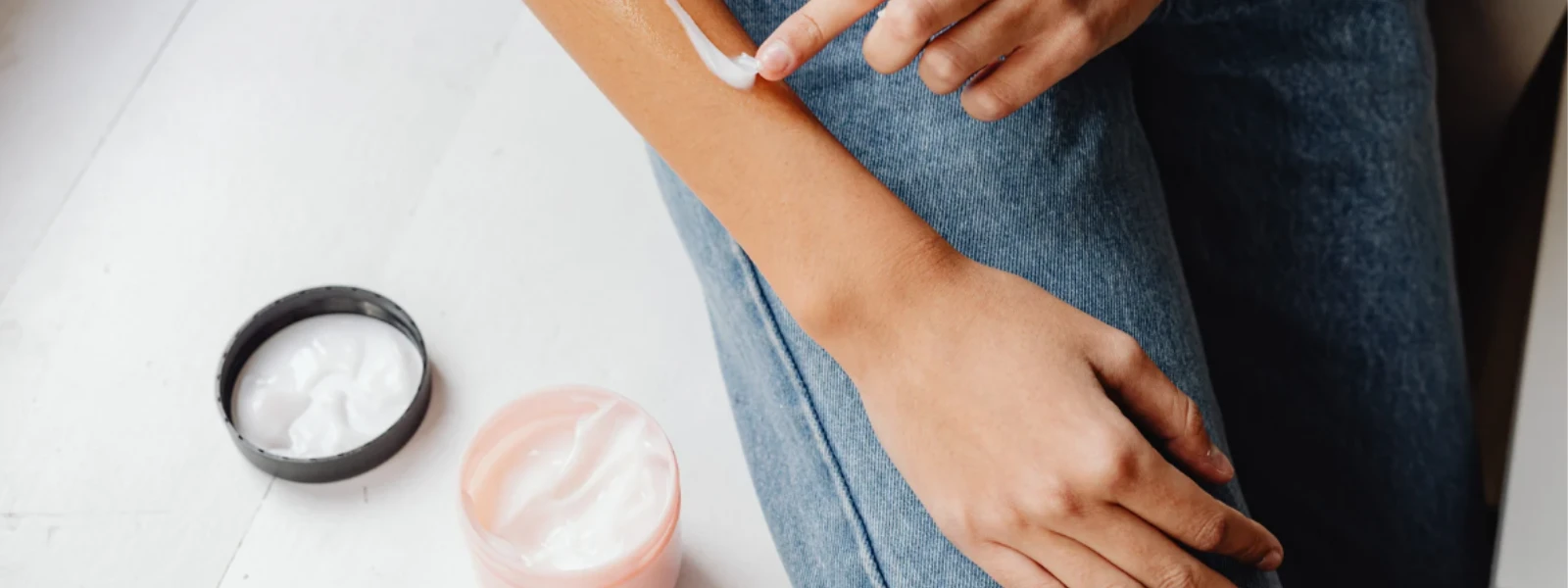
Dry, flaky skin can feel like an endless battle, especially when your usual moisturizers just aren't cutting it. If you've been struggling with rough patches, tightness, and that uncomfortable feeling of skin that just won't stay hydrated, you're not alone. The secret weapon many people are missing? Ceramides for dry flaky skin. These powerhouse ingredients work differently than regular moisturizers—they actually repair your skin's natural barrier from the inside out. Think of ceramides as the building blocks that help your skin hold onto moisture naturally, rather than just sitting on top like a temporary fix. Let's dive into the seven best types of ceramides that can transform your dry, flaky skin into the smooth, comfortable skin you've been dreaming of.
Ceramides are naturally occurring lipids that make up about 50% of your skin's outer barrier. Think of them as the mortar between bricks—they fill the spaces between your skin cells and keep everything sealed tight. When your skin has enough ceramides, it stays plump, smooth, and hydrated. But when ceramide levels drop (which happens with age, harsh weather, or over-cleansing), your skin barrier gets compromised. This is where the magic of skin barrier repair comes in. When your barrier is damaged, moisture escapes and irritants get in, leading to that frustrating cycle of dryness and flaking. Ceramides benefits go beyond just adding moisture—they actually rebuild your skin's natural defense system. Research shows that people with dry skin often have significantly lower ceramide levels than those with normal skin. By replenishing these essential lipids, you're not just treating symptoms; you're addressing the root cause of your skin concerns.
How do you know if your skin barrier is crying out for help? The signs are usually pretty obvious once you know what to look for. Persistent dryness that doesn't improve with regular moisturizers is a big red flag. If your skin feels tight even after applying lotion, or if you notice flaking that comes back within hours of moisturizing, your barrier likely needs some serious TLC. Dehydrated skin solutions often focus on adding water, but that's only half the battle. True flaky skin treatment requires fixing the underlying barrier dysfunction. You might also notice increased sensitivity to products that never bothered you before, or a rough, uneven texture that makeup doesn't sit well on. These are all signs that your ceramide levels need a boost.
Not all ceramides are created equal, and understanding the different types can help you choose the right products for your specific needs. Each type of ceramide has its own superpower when it comes to healing dry, flaky skin.
Ceramide NP is like the superhero of the ceramide world for severely dry skin. This powerhouse ingredient creates an incredibly effective moisture barrier that prevents water loss throughout the day. It's particularly effective in ceramide cream formulations where it can work alongside other occlusive ingredients.
If your flaky skin comes with redness or irritation, Ceramide AP is your best friend. This type specifically targets inflammation while rebuilding the barrier. It's especially beneficial for people dealing with eczema ceramides needs, as it helps calm reactive skin while preventing future flare-ups.
Ceramide EOP is all about the long game. This type provides extended moisture retention, making it perfect for overnight treatments. It penetrates deeply and continues working for hours, which is why you'll often find it in intensive repair products designed for severely compromised skin.
For those who prefer plant-based options, phytosphingosine acts as a ceramide precursor, meaning it helps your skin produce its own ceramides naturally. It's gentler than synthetic options and works well for sensitive skin types that might react to other ingredients.
Ceramide NS focuses on texture improvement, making it ideal for skin that's not just dry but also rough or bumpy. It helps smooth out those annoying flaky patches while providing solid moisture retention. You'll often find this in products that promise both hydration and texture improvement.
This ceramide type is all about deep, long-term barrier repair. Ceramide EOS penetrates further into the skin layers and provides lasting structural support. It's particularly effective for people whose skin barrier has been compromised by harsh treatments or environmental damage.
While natural sounds better, synthetic ceramides often provide more consistent results. They're stable, effective, and typically more affordable than their natural counterparts. Many of the best ceramides for skin products use synthetic versions because they deliver reliable results.
Choosing between a ceramide serum, ceramide cream, or ceramide moisturizer depends on your skin's specific needs and your personal preferences. Serums typically contain higher concentrations of active ceramides and penetrate deeper, making them ideal for severely compromised barriers. They're lightweight and layer well under other products. Creams and moisturizers provide more immediate comfort and longer-lasting surface protection. If your skin is very dry or you live in a harsh climate, a cream formulation might be your best bet. Look for products with ceramide concentrations between 0.1% and 1%—higher isn't always better, and too much can sometimes cause irritation. The best products combine multiple ceramide types with complementary ingredients like hyaluronic acid for added hydration and niacinamide for inflammation control. Avoid products with lots of fragrance or alcohol, which can counteract the barrier-repairing benefits you're trying to achieve.
Getting the most out of your ceramide products is all about timing and technique. For dry skin relief, consistency matters more than quantity. Apply ceramide products to slightly damp skin—this helps lock in that extra moisture and allows the ceramides to work more effectively. In your morning routine, apply ceramide serum or moisturizer after cleansing but before sunscreen. Evening is prime time for ceramide repair work, so don't skip your nighttime application. If you're using multiple ceramide products, start with the thinnest consistency and work your way up to thicker creams. Avoid over-exfoliating when you're trying to repair your skin barrier. While it might be tempting to scrub away flaky skin, this can actually make the problem worse by further damaging your barrier. Instead, let the ceramides do their work and gently remove flakes with a soft, damp cloth.
Ceramide NP, AP, and EOP are the most effective for dry skin, with NP providing immediate moisture lock and AP offering anti-inflammatory benefits for sensitive, flaky areas.
Yes, studies show ceramides can reduce trans-epidermal water loss by up to 21% and significantly improve skin hydration within 2-4 weeks of consistent use.
Ceramides are excellent for peeling skin as they restore the skin barrier, lock in moisture, and reduce the inflammatory response that causes flaking and peeling.
Ceramide serums penetrate deeper with higher concentrations, while creams provide longer-lasting surface protection and are better for very dry skin.
Most people see initial improvement in 7-14 days, with significant flaking reduction and moisture improvement within 4-6 weeks of consistent use.
Yes, ceramides work synergistically with hyaluronic acid, glycerin, and gentle exfoliants, but avoid combining with strong actives like retinoids initially.
Finding the right ceramides for your dry, flaky skin doesn't have to be overwhelming. Start with products containing multiple ceramide types, be patient with the process, and remember that consistency is key. Your skin barrier didn't get compromised overnight, and it won't heal overnight either. But with the right ceramide products and a gentle, consistent routine, you can absolutely achieve the smooth, comfortable skin you're looking for. The investment in quality ceramide products pays off in the form of healthier, more resilient skin that can better protect itself naturally.
