

Hyaluronic Acid: Your Complete Skincare Guide
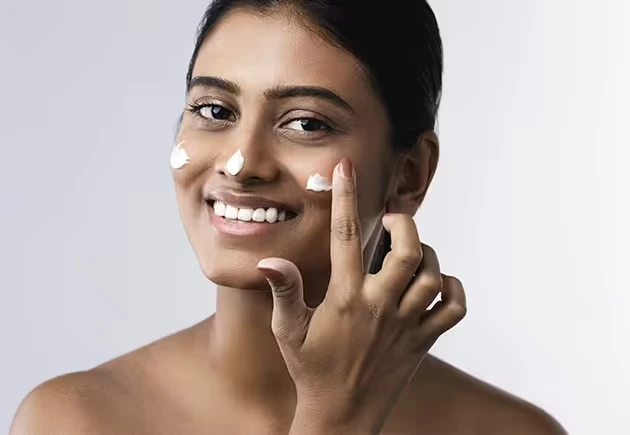
Your skin holds a secret weapon that can transform dryness into dewy radiance. Hyaluronic acid benefits for face go far beyond simple moisturizing. This powerful molecule can hold up to 1,000 times its weight in water, making it nature's ultimate hydration hero. Whether you're dealing with fine lines, dull skin, or just want that coveted plump, youthful glow, understanding how to harness hyaluronic acid's power can revolutionize your skincare routine. From serums to moisturizers, this complete guide will help you navigate the world of hyaluronic acid skin care and discover why dermatologists worldwide recommend this game-changing ingredient.
Hyaluronic acid is a naturally occurring substance in your body that acts like a moisture magnet for your skin. Think of it as your skin's personal hydration system, working around the clock to keep your complexion plump and supple. This clear, gel-like substance is found in your skin, joints, and eyes, but as we age, our natural production decreases. The magic happens when hyaluronic acid skin products attract water molecules from the environment and deeper layers of your skin. This creates an invisible moisture barrier that keeps your face hydrated throughout the day. Unlike heavy creams that sit on top of your skin, hyaluronic acid actually penetrates the surface to deliver hydration where it's needed most.
The molecular structure of hyaluronic acid makes it incredibly effective at binding water. Each molecule creates a network that traps moisture, preventing it from evaporating into the air. This process happens continuously, giving your skin a steady supply of hydration that lasts for hours.
Not all hyaluronic acid is created equal. High molecular weight versions sit on the skin's surface, providing immediate plumping effects. Low molecular weight forms penetrate deeper, delivering long-lasting hydration to the underlying layers. Many effective products combine both types for maximum benefit.
The benefits of hyaluronic acid extend far beyond basic moisturizing. This powerhouse ingredient addresses multiple skin concerns simultaneously, making it a must-have in any effective skincare routine. From reducing visible signs of aging to improving overall skin texture, hyaluronic acid delivers results you can see and feel. Research shows that regular use of hyaluronic acid products can significantly improve skin hydration levels within just a few weeks. The cumulative effects become even more impressive over time, with users reporting smoother, more radiant skin that looks years younger.
The star benefit of hyaluronic acid is its unmatched ability to hydrate your skin. When applied correctly, it can increase your skin's moisture content by up to 30%. This intense skin hydration helps eliminate dry patches and creates a smooth, healthy-looking complexion.
Hyaluronic acid for wrinkles works by plumping the skin from within. As the molecules attract water, they fill in fine lines and create a smoother surface. This effect is particularly noticeable around the eyes and mouth, where expression lines tend to form first.
Regular use of hyaluronic acid helps create plump skin that feels firmer and more elastic. The increased hydration improves your skin's ability to bounce back from daily stressors, resulting in a more youthful appearance and improved texture overall.
Well-hydrated skin is better equipped to defend against environmental damage. Hyaluronic acid strengthens your skin's natural barrier function, helping to protect against pollution, UV damage, and other external aggressors that can cause premature aging.
Contrary to popular belief, proper hydration can actually help control excess oil production. When your skin is adequately moisturized with hyaluronic acid, it doesn't need to produce as much sebum, which can help prevent clogged pores and breakouts.
Hyaluronic acid has natural anti-inflammatory properties that can help calm irritated skin. This makes it an excellent choice for sensitive skin types or anyone dealing with redness and inflammation.
One of the best things about hyaluronic acid is that it works for everyone. Whether you have dry, oily, combination, or sensitive skin, this gentle ingredient can improve your complexion without causing irritation or adverse reactions.
Choosing between a hyaluronic acid serum and a hyaluronic acid moisturizer depends on your specific skin needs and preferences. Both forms offer unique advantages, and understanding the differences can help you make the best choice for your routine. Serums typically contain higher concentrations of active ingredients, while moisturizers offer additional nourishing components like ceramides and peptides. The texture and application method also differ, affecting how the product feels on your skin and integrates into your routine.
Serums are ideal when you want maximum potency and the ability to layer multiple products. They absorb quickly and work well under makeup or other skincare treatments. Choose a serum if you prefer a lightweight feel or want to target specific concerns.
Moisturizers offer convenience and additional skin-nourishing ingredients in one product. They're perfect for those who prefer a simplified routine or have very dry skin that needs extra emollient ingredients alongside the hydrating benefits.
Absolutely! Many people find that layering a hyaluronic acid serum under a moisturizer provides the ultimate hydration boost. Apply the serum first to damp skin, then follow with your moisturizer to lock in all that hydration.
Proper application is crucial for getting the most out of your hyaluronic acid products. The key is applying it to slightly damp skin, which gives the molecules something to bind to. This simple step can dramatically improve the effectiveness of your dermatologist recommended skincare routine. Timing also matters when it comes to hyaluronic acid application. Most experts recommend using it twice daily, morning and evening, as part of your regular skincare routine. Consistency is key to seeing long-term improvements in your skin's hydration and appearance.
Start with clean, slightly damp skin. Apply 2-3 drops of serum or a pea-sized amount of moisturizer, gently patting it into your skin. Always follow with a moisturizer if using a serum, and don't forget sunscreen during your morning routine.
Hyaluronic acid works well both morning and evening. In the morning, it creates a perfect base for makeup and provides all-day hydration. At night, it helps repair and restore your skin while you sleep.
Hyaluronic acid plays well with most other skincare ingredients. It pairs beautifully with vitamin C for anti-aging skincare benefits, and works alongside retinol to minimize potential irritation. Always apply hyaluronic acid before heavier creams or oils.
Despite its proven benefits, several myths surround hyaluronic acid use. Understanding the facts helps you make informed decisions about incorporating this ingredient into your routine. Most concerns stem from improper application or unrealistic expectations about results. The truth is that hyaluronic acid is one of the safest and most well-researched skincare ingredients available. Side effects are rare, and the ingredient is suitable for virtually all skin types and ages.
Hyaluronic acid does not change your skin's pigmentation in any way. It's a hydrating ingredient, not a lightening or darkening agent. Any perceived changes in skin tone are likely due to improved hydration making your complexion look more radiant and healthy.
Pure hyaluronic acid is non-comedogenic, meaning it won't clog pores. However, some products contain additional ingredients that might cause breakouts in sensitive individuals. Always check the full ingredient list if you have acne-prone skin.
Daily use of hyaluronic acid is not only safe but recommended for best results. Unlike some active ingredients that can cause irritation with frequent use, hyaluronic acid becomes more effective with consistent application.
While hyaluronic acid excels at hydration and plumping, it works best as part of a comprehensive routine. Combining it with ingredients like vitamin C, retinol, and peptides creates a powerful anti-aging skincare regimen that addresses multiple concerns.
Hyaluronic acid provides intense hydration, reduces the appearance of fine lines and wrinkles, improves skin texture, and creates a plumper, more youthful appearance. It works by attracting and retaining moisture in your skin, helping to maintain optimal hydration levels throughout the day.
Yes, daily use is safe and recommended. Most dermatologists suggest applying hyaluronic acid twice daily, morning and evening, for optimal results. Consistent use helps maintain steady hydration levels and provides cumulative anti-aging benefits.
These ingredients serve different purposes and work beautifully together. Vitamin C provides antioxidant protection and brightening benefits, while hyaluronic acid focuses on hydration and plumping. Using both creates a comprehensive approach to healthy, youthful-looking skin.
Hyaluronic acid is considered safe during pregnancy and breastfeeding. It's a naturally occurring substance in the body and doesn't penetrate deeply enough to affect pregnancy. Always consult your healthcare provider about skincare during pregnancy.
You may notice immediate plumping and hydration effects, but significant improvements in skin texture and fine lines and wrinkles typically appear after 4-6 weeks of consistent use. Long-term benefits continue to develop with ongoing application.
Hyaluronic acid stands out as one of the most effective and versatile ingredients in modern skincare. Its ability to provide intense hydration while addressing multiple skin concerns makes it an essential component of any effective routine. Whether you choose a serum, moisturizer, or both, the key to success lies in consistent application and proper technique. Remember to apply it to damp skin and follow with a moisturizer to lock in all those hydrating benefits. With regular use, you'll discover why this moisture-binding molecule has become a cornerstone of dermatologist recommended skincare routines worldwide.
