

7 Expert Ways to Repair Damaged Skin Fast
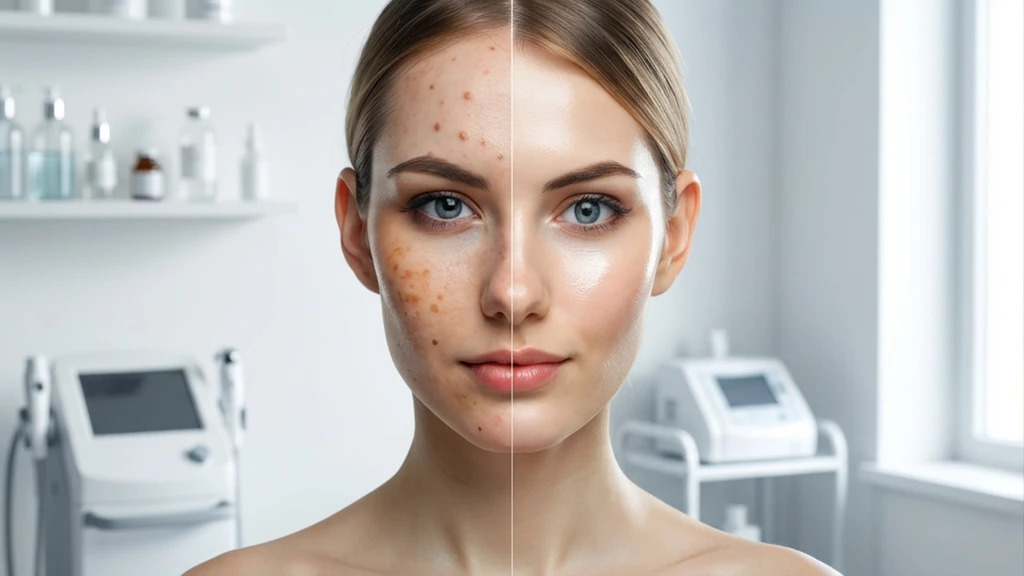
Your skin tells a story. Every line, spot, and texture change reflects years of sun exposure, environmental stress, and the natural aging process. But here's the good news: damaged skin isn't a life sentence. With the right approach, you can restore your skin's health and vitality faster than you might think. Whether you're dealing with dryness, rough texture, or loss of elasticity, these seven expert-backed methods will help you understand how to repair damaged skin effectively and safely. Let's dive into proven strategies that dermatologists recommend for optimal skin recovery.
Before jumping into repair mode, you need to recognize what damaged skin actually looks like. Your skin barrier acts like a protective shield, and when it's compromised, your complexion sends clear distress signals. Understanding these signs helps you choose the right damaged skin treatment approach for your specific concerns.
Flakiness and rough patches are often the first indicators that your skin barrier repair needs immediate attention. You might notice persistent dryness that doesn't improve with regular moisturizer, increased sensitivity to products you once tolerated well, or an uneven skin tone with areas of discoloration. Loss of firmness and elasticity also signals that your skin's natural repair mechanisms need support.
Over-exfoliation tops the list of common culprits. Using too many active ingredients or scrubbing too aggressively strips away your skin's protective layer. Environmental factors like UV exposure, pollution, and extreme temperatures also accelerate damage. Even seemingly harmless habits like long, hot showers can disrupt your skin's natural moisture balance and compromise its ability to heal itself.
When your skin is damaged, less truly becomes more. The first step in how to heal damaged skin involves stripping back your routine to the absolute basics. This approach gives your skin the breathing room it needs to focus on natural repair processes without interference from potentially irritating ingredients. Simplifying doesn't mean neglecting your skin. Instead, it means choosing gentle, effective products that support rather than stress your compromised barrier. Think of this phase as giving your skin a vacation from harsh treatments while still providing essential care.
Switch to a pH-balanced cleanser that won't strip your skin's natural oils. Look for cream or lotion-based formulas instead of foaming cleansers, which often contain sulfates that can further irritate damaged skin. Cleanse with lukewarm water and pat dry gently with a soft towel.
Temporarily pause retinoids, alpha hydroxy acids, and vitamin C serums until your skin barrier strengthens. Even products labeled as "gentle" might contain fragrances or essential oils that can trigger sensitivity in compromised skin. Read ingredient lists carefully and stick to fragrance-free formulations during your repair phase.
Hydration forms the foundation of effective skin rejuvenation. When your skin lacks moisture, it cannot perform its natural repair functions efficiently. This method focuses on delivering multiple layers of hydration to support cellular regeneration and restore skin health from within. The key lies in understanding different types of moisture and how they work together. Humectants draw water to your skin, emollients smooth and soften, while occlusives seal everything in. A strategic combination of all three creates the optimal environment for healing.
Hyaluronic acid can hold up to 1,000 times its weight in water, making it a powerhouse for deep moisture retention. Ceramides help rebuild your skin's protective barrier, while glycerin acts as a humectant that draws moisture from the environment into your skin. These ingredients work synergistically to create lasting hydration.
Apply products from thinnest to thickest consistency. Start with a hydrating toner or essence, follow with a hyaluronic acid serum on damp skin, then seal with a ceramide-rich moisturizer. For extra dry areas, add a few drops of facial oil before your final moisturizer step.
Once your skin shows signs of improvement, you can gradually introduce gentle actives that support anti-aging skin repair without causing irritation. The goal is to stimulate cellular turnover and collagen production while maintaining the barrier integrity you've worked to restore. Choosing the right actives makes all the difference. Some ingredients offer multiple benefits, addressing several skin concerns simultaneously while remaining gentle enough for sensitive, healing skin.
Niacinamide strengthens your skin barrier while reducing inflammation and regulating oil production. Vitamin C provides antioxidant protection and supports collagen synthesis when introduced slowly. Peptides signal your skin to produce more collagen and elastin, helping repair skin elasticity naturally.
Aloe vera contains compounds that accelerate wound healing and reduce inflammation. Centella asiatica, also known as cica, has been used for centuries to promote skin repair. Green tea extract provides powerful antioxidants that protect against further damage while supporting the healing process.
Sometimes damaged skin needs more intensive intervention than at-home care can provide. Professional treatments can accelerate skin regeneration by stimulating deeper layers of your skin that topical products cannot reach effectively. The key is choosing treatments appropriate for your skin's current condition. Aggressive procedures can set back your progress, while gentle professional options can enhance your at-home routine significantly.
Microneedling creates controlled micro-injuries that trigger your skin's natural healing response and boost collagen production. Gentle chemical peels remove damaged surface cells while promoting cellular turnover. LED light therapy uses specific wavelengths to reduce inflammation and stimulate repair at the cellular level.
At-home dermarolling devices offer a gentler version of professional microneedling when used correctly. Medical-grade skincare systems provide higher concentrations of active ingredients in formulations designed for sensitive skin. Always consult with a skincare professional before starting any intensive treatment.
Your skin's ability to repair itself depends heavily on your overall health and lifestyle choices. What you eat, how much you sleep, and how you manage stress all directly impact your skin's healing capacity and long-term health. Think of your skincare routine as just one piece of a larger puzzle. Supporting your skin from the inside out creates the optimal environment for repair and helps prevent future damage.
Antioxidant-rich foods like berries, leafy greens, and colorful vegetables provide the building blocks your skin needs for repair. Omega-3 fatty acids from fish, walnuts, and flaxseeds support barrier function and reduce inflammation. Adequate water intake helps maintain skin hydration from within.
Your skin does most of its repair work while you sleep, making quality rest essential for healing. Aim for 7-9 hours of sleep nightly and consider using a humidifier to prevent overnight moisture loss. Stress management through meditation, exercise, or other relaxation techniques helps reduce inflammation that can impede healing.
While repairing existing damage, preventing new damage becomes equally important. Sun protection forms the cornerstone of any effective skin barrier repair strategy, as UV exposure can quickly undo weeks of careful healing work. Consistent daily protection, regardless of weather or season, gives your skin the best chance to heal and maintain its improved condition long-term.
Choose a broad-spectrum SPF 30 or higher that won't irritate your healing skin. Mineral sunscreens with zinc oxide or titanium dioxide are often gentler for sensitive skin than chemical formulations. Apply generously and reapply every two hours, especially if you're outdoors.
Seek shade during peak UV hours between 10 AM and 4 PM. Wear protective clothing, wide-brimmed hats, and UV-blocking sunglasses. Consider adding antioxidant serums to your routine for additional protection against environmental damage.
Knowing how to repair damaged skin fast requires a structured approach that builds momentum while avoiding overwhelm. This week-long protocol gives you a clear roadmap for beginning your skin repair journey with confidence. Consistency during these first seven days sets the foundation for long-term success. Small, daily actions compound over time to create significant improvements in your skin's health and appearance.
Days 1-3 focus on gentle cleansing and intensive moisturizing. Days 4-5 introduce a hydrating serum or treatment. Days 6-7 add sun protection and begin monitoring your skin's response. Take photos to track your progress and note any changes in texture, hydration, or sensitivity.
After the initial week, gradually introduce one new product every 7-10 days to avoid overwhelming your skin. Monitor how your skin responds to each addition and adjust accordingly. Remember that sustainable results come from consistent, gentle care rather than aggressive treatments.
Most people see initial improvements within 1-2 weeks of starting a proper repair routine. Significant changes typically occur within 4-6 weeks, while deeper repair can take 3-6 months depending on the extent of damage.
While you cannot completely reverse all signs of aging or damage, consistent care can dramatically improve skin texture, hydration, and overall health. The key is realistic expectations and patience with the process.
Avoid harsh scrubs, high concentrations of acids, retinoids, and fragranced products during the initial repair phase. These can further irritate compromised skin and slow the healing process.
Some initial adjustment is normal as your skin adapts to new products. However, persistent irritation, burning, or worsening condition indicates you should simplify your routine further or consult a dermatologist.
Repairing damaged skin requires patience, consistency, and the right approach for your specific concerns. These seven methods provide a comprehensive framework for restoring your skin's health and vitality. Remember that everyone's skin responds differently, so be prepared to adjust your routine based on your skin's unique needs. Start with gentle basics, build slowly, and celebrate small improvements along the way. Your skin has an remarkable ability to heal itself when given the proper support and protection it needs to thrive.
