

7 Expert Tips to Hydrate Skin Naturally
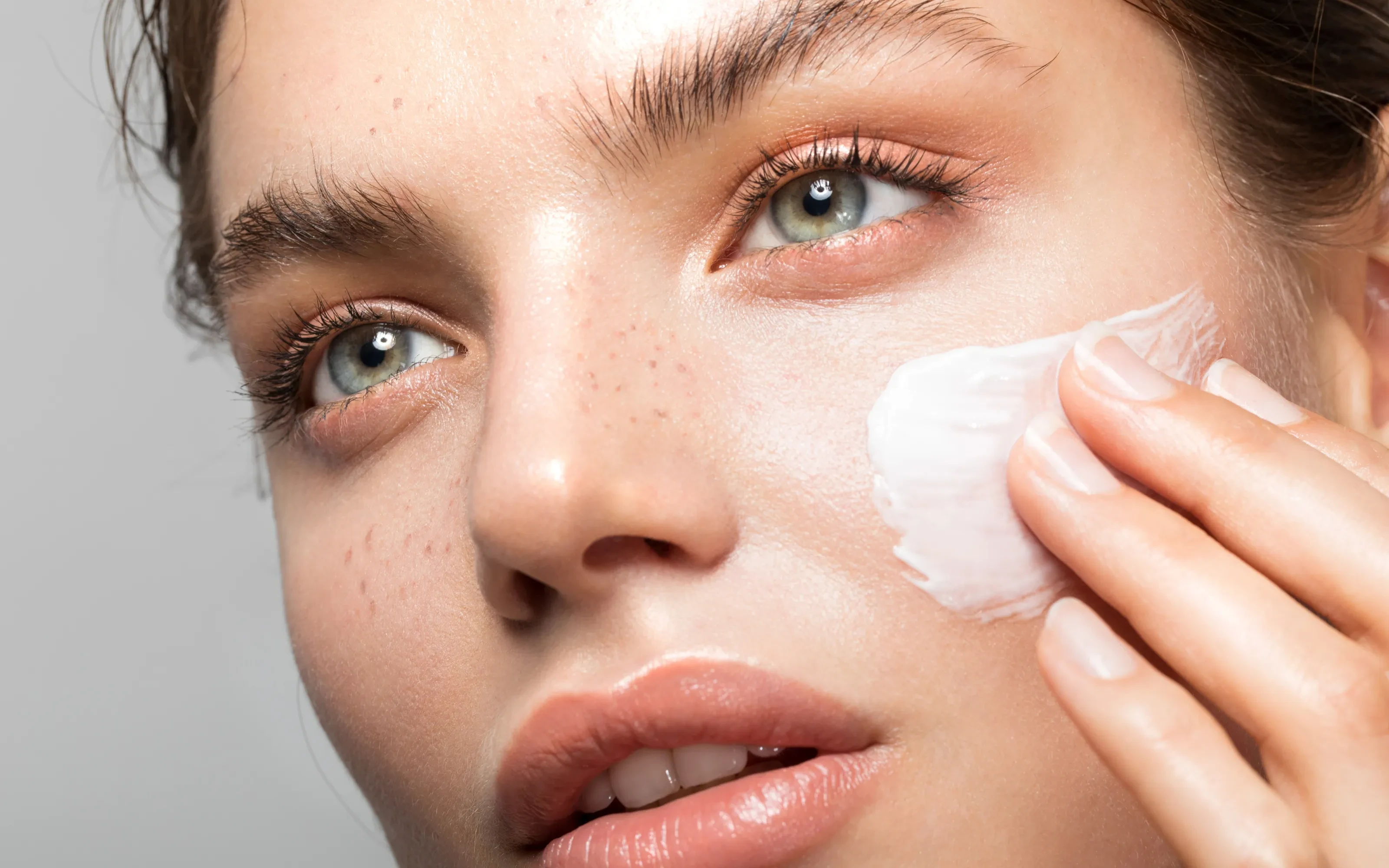
Your skin is your body's largest organ, and keeping it properly hydrated is one of the most important steps you can take for a healthy, youthful appearance. Many people struggle with dry, dull skin without realizing that the solution often lies in simple, natural approaches. When you learn how to improve skin hydration naturally, you're not just addressing surface-level concerns—you're supporting your skin's fundamental health and resilience. The good news is that achieving beautifully hydrated skin doesn't require expensive treatments or complicated routines. With the right knowledge and consistent care, you can transform your skin's appearance and feel confident in your natural glow.
Before diving into specific tips, it's essential to understand what your skin truly needs to stay hydrated. Skin hydration refers to the water content within your skin cells, while moisturization involves creating a barrier to prevent water loss. Think of hydration as filling a glass with water, and moisturization as putting a lid on top to keep it from evaporating. Your skin barrier plays a crucial role in maintaining proper hydration levels. This protective layer consists of skin cells held together by lipids, creating a shield against environmental stressors while locking in moisture. When this barrier is compromised, your skin loses water more quickly, leading to dehydration, irritation, and premature aging.
Dehydrated skin often feels tight, especially after cleansing. You might notice fine lines that seem more pronounced, or your skin may appear dull and lackluster. Unlike dry skin, which lacks oil, dehydrated skin lacks water and can affect any skin type, even oily skin.
The secret to effective skin hydration routine lies in proper layering. Start with the thinnest consistency products and work your way up to thicker formulations. This approach ensures each product can penetrate effectively without creating barriers. Begin with a hydrating toner or essence, which prepares your skin to absorb subsequent products. Next, apply a lightweight serum containing humectants like hyaluronic acid or glycerin. These ingredients act like magnets, drawing moisture from the environment into your skin.
Your morning routine should focus on protection and light hydration, while evenings are perfect for deeper, more intensive treatments. In the morning, use lighter formulations that won't interfere with makeup application. At night, you can apply richer products that work while you sleep.
True skin hydration starts from within. Your daily water intake directly impacts your skin's appearance and health. Aim for at least eight glasses of water daily, but remember that hydrating foods can also contribute significantly to your skin's moisture levels. Foods rich in omega-3 fatty acids, such as salmon, walnuts, and flaxseeds, help strengthen your skin barrier. Water-rich fruits and vegetables like cucumbers, watermelon, and leafy greens provide both hydration and essential nutrients that support healthy skin function.
Incorporate foods high in vitamin C, which supports collagen production and helps maintain skin elasticity. Berries, citrus fruits, and bell peppers are excellent choices. Healthy fats from avocados and olive oil also support your skin's natural moisture barrier.
Your environment significantly impacts your skin's ability to maintain hydration. Indoor heating and air conditioning can strip moisture from the air and your skin. Using a humidifier, especially during winter months, helps maintain optimal humidity levels for healthy skin. Aim for humidity levels between 40-60% in your living spaces. This range supports your skin's natural moisture retention without creating conditions for mold or bacteria growth. Place humidifiers in rooms where you spend the most time, particularly your bedroom.
When venturing outside, protect your skin from harsh weather conditions. Wind and extreme temperatures can compromise your skin barrier, leading to increased water loss. Use appropriate protective clothing and always apply sunscreen, as UV damage can impair your skin's ability to retain moisture.
Harsh cleansing is one of the most common dehydrated skin causes. Over-cleansing or using products with aggressive ingredients strips your skin's natural oils, compromising the protective barrier. Choose gentle, pH-balanced cleansers that clean effectively without disrupting your skin's natural balance. Look for cleansers with hydrating ingredients like ceramides or hyaluronic acid. These formulations clean your skin while adding moisture, supporting your overall hydration goals. Avoid products with sulfates, which can be particularly drying.
Most people only need to cleanse with a product once daily, preferably in the evening to remove the day's accumulation of dirt and pollutants. In the morning, a simple rinse with lukewarm water is often sufficient, preserving your skin's natural protective oils.
Nature provides numerous ingredients that can boost your skin's hydration levels. Aloe vera gel offers immediate soothing and hydrating benefits, making it perfect for irritated or sun-exposed skin. Honey, particularly raw honey, acts as a natural humectant while providing antibacterial properties. Create simple dry skin remedies using ingredients from your kitchen. A mask made from mashed avocado and honey provides deep hydration and nourishment. Oatmeal mixed with milk creates a gentle, hydrating treatment that also provides mild exfoliation.
Set aside time each week for intensive hydration treatments. Apply a thick layer of your favorite moisturizer as an overnight mask, or use natural oils like jojoba or rosehip oil for deep nourishment. These treatments help repair and strengthen your skin barrier over time.
Facial massage isn't just relaxing—it's an effective way to boost circulation and enhance product absorption. Gentle upward strokes help stimulate blood flow, bringing nutrients to your skin cells and supporting the natural renewal process. Use your fingertips to apply light pressure in circular motions, starting from the center of your face and working outward. This technique helps your best hydrating skincare products penetrate more effectively while promoting lymphatic drainage.
Consider incorporating tools like jade rollers or gua sha stones into your routine. These tools help distribute products evenly while providing the benefits of massage. Use them with your favorite facial oil or serum for maximum hydration benefits.
Long-term skin hydration depends on consistent healthy habits. Quality sleep is crucial, as your skin repairs and regenerates during rest. Aim for 7-9 hours of sleep nightly, and consider using a silk or satin pillowcase to reduce friction and moisture loss. Manage stress levels through regular exercise, meditation, or other relaxation techniques. Chronic stress can impair your skin barrier function, making it harder to maintain proper hydration levels. Find stress-reduction methods that work for your lifestyle and practice them regularly.
Consistency is key to seeing lasting improvements in your skin's hydration levels. Start with small changes and gradually build a routine that feels sustainable. Remember that it typically takes 4-6 weeks to see significant improvements in skin hydration, so be patient with the process.
Most people notice initial improvements within 1-2 weeks of consistent hydration practices. However, significant changes in skin elasticity and overall appearance typically become evident after 4-6 weeks of dedicated care.
While staying hydrated is important, drinking excessive amounts of water won't necessarily improve skin hydration beyond a certain point. Focus on consistent, adequate intake rather than forcing large quantities.
Dry skin lacks oil and is a skin type, while dehydrated skin lacks water and is a temporary condition that can affect any skin type. Understanding this difference helps you choose the right moisturize skin approach.
Most people benefit from applying moisturizer twice daily—once in the morning and once at night. However, you may need to reapply during the day if you're in a particularly dry environment or if your skin feels tight.
Natural ingredients can be highly effective for hydration, but the key is finding what works for your specific skin needs. Some synthetic ingredients, like hyaluronic acid, are also excellent for hydration and may be more stable than natural alternatives.
Achieving naturally hydrated skin is a journey that combines external care with internal nourishment. By understanding your skin's needs and implementing these expert tips consistently, you can develop a sustainable approach to anti-aging skin hydration that supports your skin's health for years to come. Remember that small, consistent changes often yield the most dramatic and lasting results. Start with one or two tips that resonate with you, and gradually build your routine as these practices become second nature. Your skin will thank you with a healthy, radiant glow that reflects your commitment to natural, holistic care.
