


Signs of Compromised Skin Barrier: Your FAQ Answered
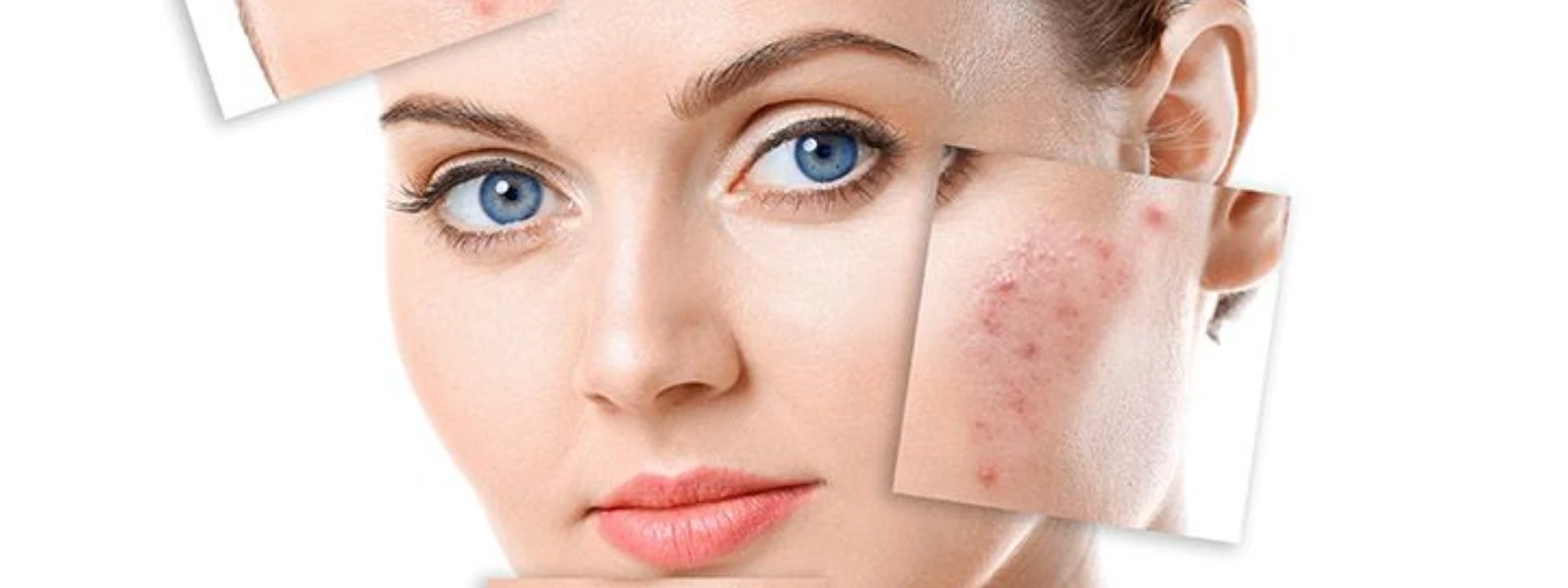
Your skin barrier acts as your body's first line of defense, but when it becomes compromised, your complexion can quickly spiral into a cycle of irritation, breakouts, and sensitivity. Many people struggle with persistent skin issues without realizing that a damaged barrier might be the root cause. Understanding the warning signs can help you take action before minor irritation becomes a major skin concern. Let's explore the telltale indicators that your skin barrier needs attention and how you can restore its protective function.
Your skin barrier function depends on the outermost layer of your skin called the stratum corneum. Think of it as a protective brick wall made of skin cells held together by natural oils and proteins. This barrier keeps moisture in and harmful substances out, maintaining your skin's health and appearance.
When your healthy skin barrier works properly, it regulates water loss, prevents bacteria from entering, and maintains optimal pH levels. A compromised barrier can't perform these essential functions, leading to dehydration, inflammation, and increased vulnerability to environmental stressors.
Recognizing the signs of compromised skin barrier early can prevent further damage and speed up recovery. These symptoms often appear gradually and may worsen without proper intervention.
If your skin feels tight and dry even after moisturizing, your barrier may be struggling to retain water. This sensation often intensifies after cleansing or exposure to air conditioning.
Products that never bothered you before suddenly cause stinging or burning. This reaction occurs because compromised skin allows ingredients to penetrate too deeply, triggering irritation.
Your usual skincare routine becomes unbearable, and even gentle products cause redness or discomfort. This heightened sensitivity is a classic skin barrier symptom.
Persistent redness that doesn't fade indicates ongoing inflammation. Your skin may look flushed or irritated without an obvious trigger.
Dead skin cells accumulate when the barrier can't shed them properly. This creates rough, flaky patches that feel uneven to the touch.
New breakouts appear in unusual areas or don't respond to your typical acne treatments. Barrier damage can trigger inflammatory acne in people who rarely experience breakouts.
Minor cuts, scratches, or blemishes take longer to heal than usual. A healthy barrier supports rapid skin repair and regeneration.
Your skin looks lackluster and feels dehydrated despite regular moisturizing. This dullness results from impaired cell turnover and water loss.
The relationship between acne and skin barrier damage creates a frustrating cycle that many people don't understand. When your barrier becomes compromised, it triggers inflammation that can lead to breakouts, especially in adults who thought their acne days were behind them.
A damaged skin barrier allows bacteria and irritants to penetrate deeper into your skin, causing inflammatory responses that manifest as red, painful breakouts. These aren't your typical teenage pimples but rather inflamed bumps that resist conventional acne treatments. The problem worsens when people try to treat these breakouts with harsh products, further damaging the already compromised barrier.
Understanding what leads to a damaged skin barrier helps you avoid future problems and make better skincare choices. Several common factors can weaken your skin's protective function over time.
Over-exfoliation tops the list of barrier-damaging behaviors. Using harsh scrubs daily or combining multiple chemical exfoliants can strip away protective oils faster than your skin can replace them. Similarly, over-cleansing with strong detergents disrupts the delicate balance of your skin's natural protective layer.
Extreme weather conditions, low humidity, and pollution constantly challenge your barrier function. Indoor heating and air conditioning also contribute by creating dry environments that pull moisture from your skin.
Products containing high levels of alcohol, synthetic fragrances, or harsh preservatives can gradually weaken your barrier. Even some natural ingredients can be problematic if used incorrectly or in high concentrations.
Effective skin barrier repair requires patience and a strategic approach. The key is simplifying your routine while focusing on ingredients that support barrier restoration and maintaining consistency for several weeks.
Start with gentle, low-pH cleansers that remove impurities without stripping natural oils. Follow with moisturizers containing ceramides, hyaluronic acid, and glycerin to restore skin barrier function. These ingredients work together to rebuild the protective layer and improve water retention.
Niacinamide helps reduce inflammation and supports barrier repair, while peptides encourage healthy cell turnover. Fatty acids from plant oils can supplement your skin's natural lipid layer, improving overall skin barrier health.
Temporarily eliminate active ingredients like retinoids, alpha hydroxy acids, and physical scrubs. These can further irritate compromised skin and slow the healing process.
Most people see initial improvement within 2-4 weeks of consistent barrier-focused care. Complete restoration can take 6-8 weeks, depending on the severity of damage and your skin's natural healing capacity. Factors like age, overall health, and environmental conditions affect recovery time.
Yes, aggressive acne treatments including high-concentration salicylic acid, benzoyl peroxide, and retinoids can compromise barrier function if used incorrectly. The key is gradual introduction and proper moisturizing to support your skin during treatment.
Focus on ceramides, cholesterol, fatty acids, niacinamide, and hyaluronic acid. These ingredients work synergistically to rebuild and strengthen your skin's protective layer while reducing inflammation.
Maintain a consistent, gentle routine with appropriate sun protection. Avoid over-cleansing, limit exfoliation to 2-3 times per week maximum, and always follow active ingredients with proper moisturizing.
Consult a professional if symptoms persist after 6-8 weeks of barrier-focused care, if you experience severe burning or widespread redness, or if you suspect an underlying condition like eczema or rosacea.
Recognizing the signs of compromised skin barrier empowers you to take action before minor issues become major concerns. Remember that barrier repair takes time and consistency, but the results are worth the patience. Focus on gentle care, avoid harsh treatments during recovery, and give your skin the support it needs to rebuild its protective function.
Your skin barrier is fundamental to overall skin health, affecting everything from hydration to acne prevention. By understanding these warning signs and implementing proper repair strategies, you can restore your skin's natural protective abilities and enjoy a healthier, more resilient complexion.
