


Scar Removal Checklist: 7 Essential Steps to Heal
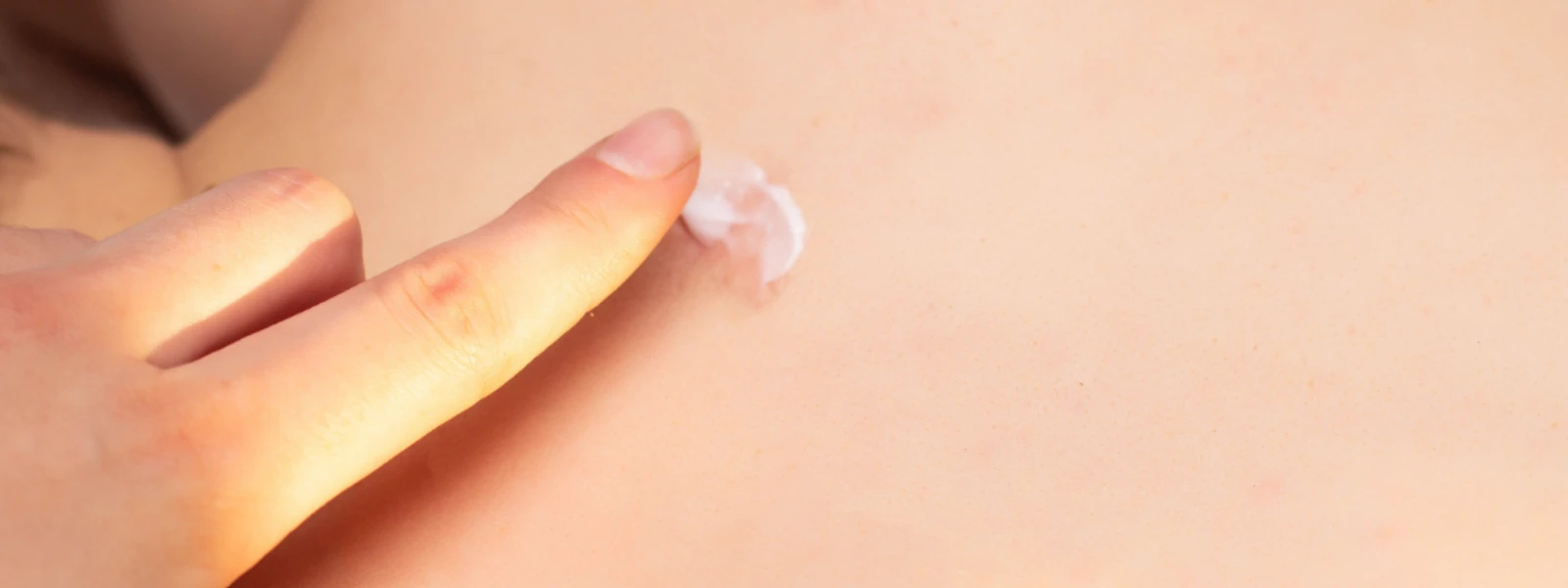
Scars tell stories, but they don't have to define your skin's future. Whether you're dealing with acne marks from your teenage years or surgical scars from recent procedures, the question can scars be fully removed weighs heavily on many minds. While complete scar elimination isn't medically possible, significant improvement absolutely is. Modern scar removal techniques can reduce scar appearance by up to 90%, transforming how you feel about your skin. This comprehensive checklist breaks down seven essential steps to help you navigate your scar healing journey with realistic expectations and proven strategies.
Let's address the elephant in the room: can scars be fully removed? The honest answer is no, but that doesn't mean you're stuck with prominent scars forever. Understanding what's actually possible helps set realistic expectations and prevents disappointment down the road. Scars represent permanent changes in your skin's structure. When tissue heals after injury, it forms differently than your original skin. The collagen fibers align in a different pattern, creating the visible mark we call a scar. This fundamental change means complete elimination isn't possible with current technology. However, scar removal treatments can dramatically improve appearance. Most people see 70-90% improvement with proper treatment. This means a once-prominent scar becomes barely noticeable. The key lies in understanding that "removal" in medical terms means significant reduction, not total erasure. Timelines vary dramatically based on scar type and treatment method. Fresh scars often respond faster than older ones, but even decades-old scars can improve significantly. Expect to see initial changes within 3-6 months, with full results taking 12-24 months.
Successful scar reduction starts with proper identification. Different types of scars require different approaches, making accurate assessment crucial for treatment success. Atrophic scars appear sunken or depressed below the skin surface. These commonly result from acne scar treatment needs and include ice pick scars (deep, narrow), boxcar scars (wide with defined edges), and rolling scars (wave-like depressions). Each subtype responds differently to treatment.
Hypertrophic scars stay within the original wound boundaries but rise above skin level. They often appear red and thick but typically improve over time. Keloid scars extend beyond the original injury site and can continue growing. These require specialized treatment and careful monitoring.
Contracture scars form after burns and can restrict movement by pulling skin tight. These often require surgical intervention for both appearance and function. Age assessment also matters - scars under two years old are considered "immature" and may still improve naturally.
Dermatologist scar treatment offers the most dramatic results for significant scar improvement. Professional treatments work by either removing damaged tissue or stimulating new collagen production to fill in depressed areas. Laser therapy represents the gold standard for many scar types. Fractional CO2 lasers create controlled micro-injuries that trigger healing responses. This process gradually replaces scar tissue with healthier skin. Treatment typically requires 3-6 sessions spaced 4-6 weeks apart.
Pulsed dye lasers target red, raised scars by destroying excess blood vessels. This reduces inflammation and flattens hypertrophic scars. Erbium lasers provide gentler skin resurfacing for sensitive areas or lighter skin tones.
Scar revision surgery physically removes scar tissue and repositions skin for better healing. Steroid injections flatten raised scars by reducing inflammation and collagen production. Microneedling with radiofrequency combines physical stimulation with heat energy for enhanced collagen remodeling. Costs vary significantly by treatment type and geographic location. Laser sessions range from $200-$1,500 each, while surgical revision can cost $2,000-$10,000 depending on complexity.
While professional treatments offer the most dramatic results, home remedies for scars provide valuable support and can significantly reduce scar appearance over time. The key lies in choosing evidence-based options rather than unproven folk remedies. Silicone gel sheets represent the gold standard for at-home scar care. Clinical studies consistently show their effectiveness for both preventing and treating scars. They work by maintaining optimal moisture levels and applying gentle pressure to remodel scar tissue.
Vitamin E oil, despite popular belief, shows mixed research results. Some studies suggest it may actually worsen scar appearance in certain individuals. Vitamin C serums offer better evidence for supporting collagen production and skin healing. Onion extract gels, found in products like Mederma, show modest improvements in scar texture and color. While not miraculous, they provide a safe option for daily scar care when combined with other treatments.
Gentle massage improves scar flexibility and may help break down rigid collagen fibers. Use circular motions for 5-10 minutes daily once the wound has fully healed. Sun protection remains absolutely critical - UV exposure can darken scars permanently and slow healing. For active acne that might lead to scarring, consider using a performance-driven serum with 2% Salicylic Acid and Tea Tree Oil to treat active acne, unclog pores on face and prevent skin breakouts. This powerful blackheads and whiteheads removal serum works by gently exfoliating dirt, excess oil and bacteria to give visibly clearer, soothed skin. 5% Niacinamide helps to reduce enlarged pores, control oil and promote even tone.
Scar healing depends heavily on your body's overall health and healing capacity. Creating optimal conditions supports both natural improvement and treatment effectiveness. Nutrition plays a crucial role in collagen production and tissue repair. Vitamin C supports collagen synthesis, while zinc aids in wound healing and protein metabolism. Adequate protein intake provides building blocks for new tissue formation.
Hydration affects skin elasticity and healing capacity. Aim for adequate water intake while using moisturizers to maintain skin barrier function. Quality sleep allows your body to focus energy on repair processes during rest periods.
Stress management impacts healing through cortisol levels and immune function. Chronic stress can slow healing and worsen scar formation. Regular exercise improves circulation, delivering nutrients to healing tissues more effectively.
Objective progress tracking prevents frustration and helps optimize treatment approaches. Scar treatment improvements occur gradually, making systematic documentation essential for recognizing changes. Photo documentation requires consistent lighting, angles, and timing. Take pictures in natural light at the same time of day, using identical positioning. Monthly photos provide adequate frequency for tracking gradual changes without becoming obsessive.
Texture changes often occur before visible improvements. Run your finger across the scar monthly to assess smoothness changes. Color improvements typically happen first, followed by texture and size reduction.
Positive signs include gradual color fading, improved texture, and increased flexibility. Plateaus after 3-6 months may indicate the need for treatment adjustments or combination approaches. Professional evaluation helps determine when to modify protocols.
Realistic expectations prevent disappointment and support mental health throughout the healing journey. Understanding typical outcomes helps maintain motivation during slower progress periods. Success rates vary by scar type and treatment method. Atrophic acne scars often see 50-80% improvement with laser treatments. Hypertrophic scars may flatten significantly with steroid injections. Keloid scars prove most challenging, with higher recurrence rates.
Scar-related distress affects many people beyond physical appearance. Support groups, counseling, or dermatology social workers can provide valuable emotional support during treatment. Remember that others notice scars far less than you imagine.
Camouflage makeup offers immediate confidence boosts while waiting for treatment results. Professional makeup artists can teach techniques for minimizing scar appearance for special occasions or daily wear.
Successful scar healing requires ongoing maintenance even after achieving desired improvements. Long-term care prevents regression and maintains results from professional treatments. Annual dermatologist evaluations monitor scar stability and identify any concerning changes. New treatment technologies emerge regularly, potentially offering better options for stubborn scars.
Continued sun protection remains essential for life. Daily moisturizing maintains skin flexibility and appearance. Some people benefit from periodic maintenance treatments to sustain improvements.
Stay informed about new treatment options through reputable medical sources. Stem cell therapies, advanced laser technologies, and novel topical treatments continue developing. However, avoid unproven treatments that promise miraculous results.
No, scars cannot be completely removed, but treatments can reduce their appearance by up to 90%, making them significantly less noticeable through laser therapy, microneedling, and surgical revision.
Yes, old scars can be effectively treated. Age doesn't prevent improvement - laser treatments, microneedling, and surgical revision can significantly reduce even decades-old scars.
All scars are technically permanent tissue changes, but hypertrophic scars, keloids, and deep atrophic acne scars are the most challenging to improve and require professional treatment.
Facial scars cannot be permanently removed, but combination treatments including fractional lasers, microneedling, and chemical peels can achieve 70-90% improvement in appearance.
Successful scar improvement requires realistic expectations, proper treatment selection, and patience. While complete removal isn't possible, significant improvement absolutely is. Start with professional evaluation to identify your scar type and develop an appropriate treatment plan. Combine professional treatments with evidence-based home care for optimal results. Remember that improvement takes time - typically 6-24 months for full results. Most importantly, focus on overall skin health and realistic goals rather than pursuing perfect elimination. With proper care and treatment, most scars can become barely noticeable, allowing you to feel confident in your skin again.
