


Scar Reduction: Your Complete Guide to Healing
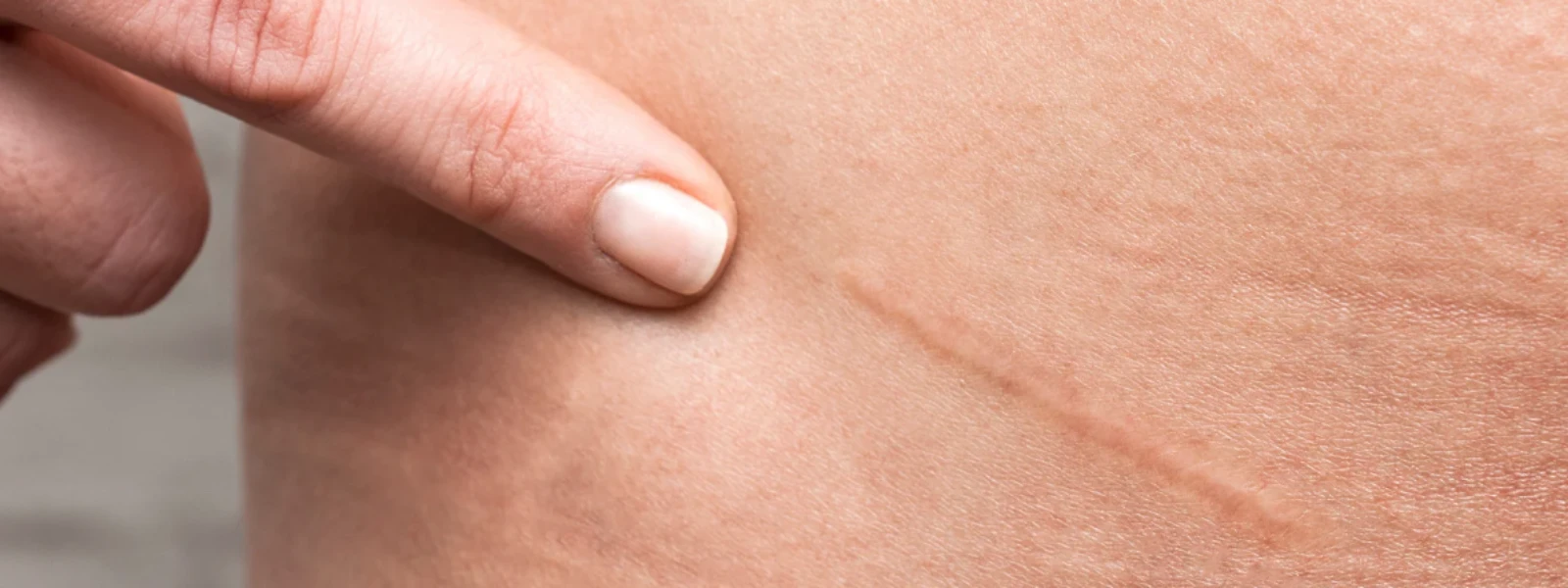
Scars tell stories, but they don't have to define your skin's future. Whether you're dealing with fresh wounds or old marks that have overstayed their welcome, understanding how to minimize scarring can transform your healing journey. The good news? Your skin has incredible regenerative powers, and with the right approach, you can significantly reduce the appearance of scars while preventing new ones from forming. From simple wound care techniques to advanced treatments, there are proven strategies that work for every skin type and budget. Let's explore the complete roadmap to healthier, smoother skin.
Scars develop when your skin repairs itself after injury, whether from acne, cuts, burns, or surgery. During the skin healing process, your body produces collagen fibers to close the wound. However, this new tissue often looks and feels different from your original skin. The type of scar that forms depends on several factors. Your genetics play a huge role - some people naturally produce more collagen, leading to raised scars. Age matters too, as younger skin tends to heal more aggressively. The location and depth of the wound also influence the final result.
Atrophic scars appear sunken or depressed, commonly seen with acne. Hypertrophic scars are raised but stay within the original wound boundaries. Keloid scars grow beyond the initial injury site and can be quite large. Contracture scars typically result from burns and can limit movement.
Scars go through distinct phases over 12-18 months. The inflammatory phase lasts 2-5 days, followed by the proliferative phase for 2-3 weeks. The remodeling phase can continue for years, which is why early intervention matters so much.
The best time to prevent scarring is right when an injury occurs. Proper wound care in those first few days and weeks can dramatically reduce your chances of developing noticeable scars. These foundational steps work for everything from paper cuts to surgical incisions. Keeping wounds clean prevents infection, which can worsen scarring. Gently wash the area with warm, soapy water and pat dry. Avoid harsh scrubbing or hydrogen peroxide, which can damage healing tissue.
Moist wounds heal faster and with less scarring than dry ones. Apply a thin layer of petroleum jelly and cover with a bandage. Change the dressing daily or when it becomes wet or dirty.
UV rays can darken scars permanently, making them more noticeable. Use sunscreen with at least SPF 30 on healing wounds, or keep them covered when outdoors. This protection should continue for at least a year after injury.
Resist the urge to pick at scabs or scratch healing skin. This disrupts the natural healing process and increases inflammation, leading to worse scarring. Keep fingernails short and consider wearing gloves at night if scratching is a problem.
Once a scar has formed, several treatments can improve its appearance. The key is choosing the right approach for your specific type of scar and skin. Scar reduction treatments range from simple topical applications to advanced medical procedures. Topical treatments are often the first line of defense. Silicone gels and sheets have strong scientific backing for reducing scar thickness and redness. Retinoids can help with texture and collagen remodeling, while hydroquinone addresses pigmentation issues.
Laser therapy targets different aspects of scarring. Ablative lasers remove damaged skin layers, while non-ablative lasers stimulate collagen production. Microneedling creates controlled micro-injuries to trigger healing responses.
Steroid injections can flatten raised scars, while surgical revision may be necessary for large or problematic scars. These treatments require professional evaluation and ongoing monitoring.
While professional treatments offer the most dramatic results, several natural approaches can support skin regeneration and complement other therapies. These acne scar remedies are gentler options that many people prefer to try first. Aloe vera contains compounds that reduce inflammation and promote healing. Pure aloe gel can be applied directly to scars twice daily. Honey, particularly medical-grade honey, has antimicrobial and healing properties that may help with scar appearance.
Lemon juice contains natural alpha hydroxy acids that can help with gentle exfoliation. However, it can increase sun sensitivity, so use only at night and always follow with sunscreen the next day. Apple cider vinegar should be diluted significantly before use.
Gentle massage can improve circulation and help break down scar tissue. Use circular motions with light pressure for 5-10 minutes daily. This works best on mature scars that are no longer tender.
Scar creams flood the market, but not all are created equal. Understanding key ingredients helps you make informed choices. Look for products containing silicone, which creates an optimal healing environment and has the most research support. Onion extract (allantoin) appears in many scar products and may help with inflammation and cell regeneration. Vitamin E is popular but has mixed research results - some people find it helpful while others experience irritation.
Tretinoin, a prescription retinoid, can significantly improve scar texture over time. Hydroquinone combinations address both scarring and pigmentation issues, particularly useful for post-acne marks.
Consistency matters more than the specific product you choose. Apply treatments to clean, dry skin and massage gently until absorbed. Most products need 8-12 weeks of regular use before showing noticeable improvements.
Acne scar treatment requires targeted approaches since different types of acne scars respond to different therapies. Ice pick scars are deep and narrow, requiring treatments that can reach into the skin's deeper layers. Rolling scars have a wave-like appearance and often benefit from subcision procedures that break up the fibrous bands pulling down the skin. Boxcar scars are wider and may respond well to resurfacing treatments like chemical peels or laser therapy.
Dark spots left behind by acne aren't true scars but can be just as bothersome. These post-acne marks often fade naturally over 6-12 months but can be treated with brightening ingredients like vitamin C, niacinamide, or gentle chemical exfoliants.
Combination therapy often works better than single treatments. Start with gentle options and gradually add stronger treatments as your skin tolerates them. Always introduce new products one at a time to monitor for reactions.
Most scars continue improving for 12-18 months after injury. Red, raised scars typically flatten and fade during this time, though some permanent changes in texture or color may remain.
While complete removal is rare, significant improvement is possible even for old scars. Treatments like laser therapy, microneedling, and chemical peels can dramatically reduce the appearance of mature scars.
Petroleum jelly helps maintain moisture during the healing phase, which can reduce scarring. However, it won't improve existing scars - its benefit is primarily in prevention during active wound healing.
Not necessarily. Simple silicone sheets often work as well as expensive creams. The key is consistency and choosing treatments appropriate for your scar type rather than focusing on price alone.
Consult a professional for scars that are large, painful, limit movement, or significantly impact your confidence. Early intervention often leads to better outcomes than waiting.
Effective scar management combines prevention, early intervention, and patience. The most important tips for minimizing skin scars start with proper wound care and sun protection. While scars may never disappear completely, the right approach can make them far less noticeable. Remember that healing takes time - most treatments require months of consistent use before showing significant results. Whether you choose natural remedies, over-the-counter products, or professional treatments, the key is starting early and staying consistent with your chosen approach.
