

Niacinamide Serum: Your Complete Redness Solution
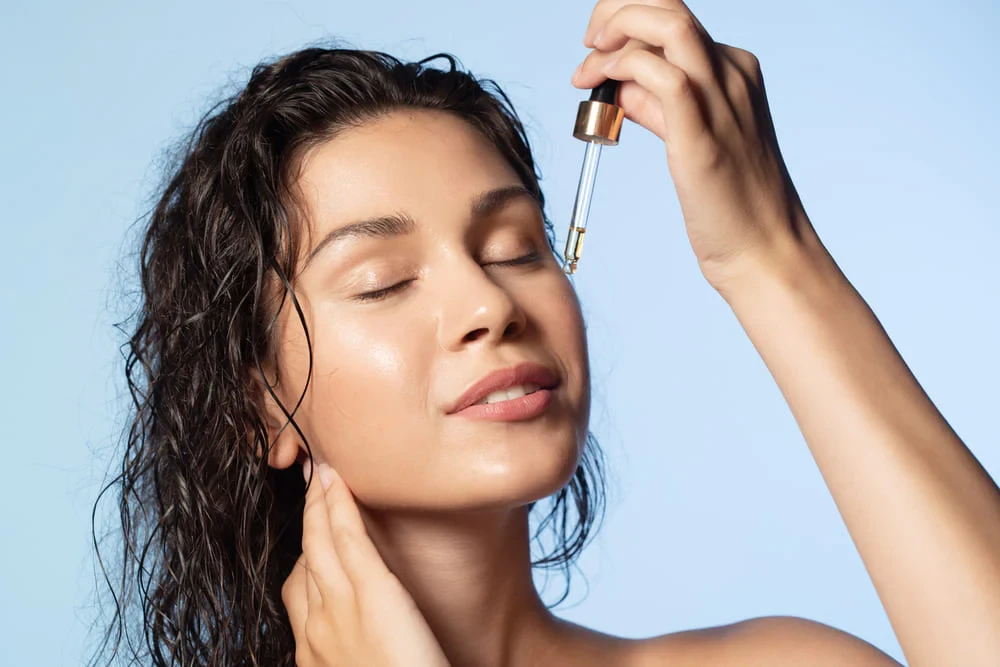
Dealing with persistent redness can feel overwhelming, especially when your skin seems to react to everything you try. Whether you're battling occasional flare-ups or chronic conditions like rosacea, finding the right solution often feels like searching for a needle in a haystack. That's where niacinamide comes in—this powerhouse ingredient has earned its reputation as one of the most effective and gentle options for calming irritated skin. Unlike harsh treatments that can worsen sensitivity, niacinamide works with your skin's natural processes to reduce inflammation and restore balance. Let's explore why this vitamin B3 derivative has become the go-to choice for anyone seeking reliable redness relief.
Niacinamide, also known as vitamin B3 or nicotinamide, stands out in the skincare world for its remarkable ability to calm inflammation without causing irritation. This water-soluble vitamin works at the cellular level to strengthen your skin's natural barrier function while reducing the inflammatory response that causes redness. The science behind niacinamide's anti-redness skincare benefits is impressive. Research shows that it inhibits the transfer of inflammatory mediators, essentially stopping the cascade of events that leads to visible redness. Clinical studies have demonstrated significant improvements in skin barrier function within just four weeks of consistent use. What sets niacinamide apart from other redness-reducing ingredients is its gentle nature. While ingredients like salicylic acid or retinol can initially worsen sensitivity, niacinamide actually helps build tolerance over time. The niacinamide benefits for skin extend beyond redness reduction—it also helps regulate oil production, minimize pore appearance, and improve overall skin texture. Unlike topical steroids or prescription treatments that may cause dependency, niacinamide offers a sustainable long-term solution. It works by supporting your skin's natural repair mechanisms rather than suppressing symptoms temporarily.
Choosing the right best niacinamide serum for redness requires understanding what makes one formula more effective than another. The concentration plays a crucial role, but it's not the only factor that determines success. Most effective formulations contain between 5% and 10% niacinamide. Higher concentrations aren't necessarily better—in fact, they can sometimes cause irritation in sensitive individuals. The key is finding the sweet spot that provides maximum benefits without overwhelming your skin.
The best face serum for redness combines niacinamide with complementary ingredients that enhance its calming effects. Look for formulations that include: • Hyaluronic acid for hydration and plumping • Ceramides to strengthen the skin barrier • Zinc for additional anti-inflammatory benefits • Panthenol (Pro-Vitamin B5) for soothing properties
The delivery system matters just as much as the active ingredients. Lightweight, fast-absorbing serums work best for daily use, while thicker formulations might be better suited for nighttime application. Avoid products with strong fragrances or essential oils, as these can trigger additional sensitivity.
One of the most compelling aspects of niacinamide is its ability to address multiple skin concerns simultaneously. For those dealing with both acne and the resulting redness, this ingredient offers a comprehensive solution that tackles both issues at their source. Niacinamide serum for acne works by regulating sebum production and reducing the inflammatory response that contributes to breakouts. At the same time, it helps fade post-inflammatory hyperpigmentation and reduces the angry redness that often accompanies active blemishes. The acne redness reducer properties of niacinamide make it particularly valuable for those with sensitive, acne-prone skin who can't tolerate stronger treatments like benzoyl peroxide or salicylic acid. It provides effective results without the dryness or irritation commonly associated with traditional acne treatments.
Most people notice initial improvements in redness within 2-4 weeks of consistent use. However, significant changes in acne-related inflammation typically become apparent after 6-8 weeks of regular application. Patience is key, as niacinamide works gradually to rebuild and strengthen your skin's natural defenses.
Rosacea presents unique challenges that require a gentle yet effective approach. The best serum for rosacea must provide consistent relief without triggering flare-ups or worsening existing sensitivity. Niacinamide's anti-inflammatory properties make it particularly well-suited for rosacea management. Unlike some treatments that can cause initial purging or increased sensitivity, niacinamide typically provides immediate soothing benefits while working to reduce long-term inflammation. For skin redness treatment related to rosacea, consistency is crucial. Daily application helps maintain the skin barrier function and prevents the inflammatory cascade that leads to flare-ups. Many dermatologists recommend niacinamide as a first-line treatment for mild to moderate rosacea symptoms.
While niacinamide forms the foundation of an effective rosacea routine, combining it with other gentle ingredients can enhance results: • Green tea extract for additional anti-inflammatory benefits • Azelaic acid for its antimicrobial and anti-inflammatory properties • Mineral sunscreen for daily protection against UV triggers
Using a calming serum for sensitive skin requires a thoughtful approach to avoid overwhelming already reactive skin. The key is gradual introduction and careful observation of your skin's response. Start by applying niacinamide serum every other day, preferably in the evening after cleansing but before heavier moisturizers. This allows your skin to adjust gradually while minimizing the risk of irritation.
Apply 2-3 drops of serum to clean, slightly damp skin. Gently pat the product into your skin rather than rubbing, which can cause additional irritation. Allow the serum to fully absorb before applying subsequent products.
Niacinamide plays well with most other skincare ingredients, making it easy to integrate into existing routines. However, avoid mixing it directly with vitamin C in the same application, as this can reduce the effectiveness of both ingredients.
Realistic expectations are crucial when starting any new skincare routine. While niacinamide is generally well-tolerated and effective, individual results can vary based on skin type, severity of redness, and underlying causes. Most people notice initial calming effects within the first week of use, with more significant improvements becoming apparent after 4-6 weeks of consistent application. For chronic conditions like rosacea, it may take 8-12 weeks to see substantial changes in baseline redness levels. Some individuals may experience mild purging during the first few weeks, particularly if they're also dealing with acne. This is typically temporary and resolves as the skin adjusts to the new routine.
While niacinamide provides some immediate soothing effects, significant redness reduction typically occurs gradually over 4-8 weeks of consistent use. The anti-inflammatory benefits build over time as the ingredient strengthens your skin barrier.
For sensitive skin, start with a 5% niacinamide concentration. This provides effective results while minimizing the risk of irritation. You can gradually increase to 10% if your skin tolerates the lower concentration well.
Yes, niacinamide and retinol can be used together safely. In fact, niacinamide can help buffer some of the irritation that retinol might cause. Apply niacinamide first, allow it to absorb, then follow with retinol.
For rosacea-related redness, expect to see initial improvements within 2-4 weeks, with more significant changes after 8-12 weeks of consistent use. Chronic conditions require patience and consistent application for best results.
Yes, niacinamide is gentle enough for twice-daily use. Many people find morning and evening application provides optimal results for redness control and overall skin health.
Niacinamide represents one of the most effective and gentle solutions for managing skin redness, whether you're dealing with occasional sensitivity, acne-related inflammation, or chronic conditions like rosacea. Its unique ability to strengthen the skin barrier while reducing inflammation makes it suitable for even the most sensitive skin types. The key to success lies in choosing the right concentration, applying it consistently, and maintaining realistic expectations about timeline. With patience and proper use, niacinamide can provide significant improvements in skin comfort, appearance, and overall health. Remember that skincare is highly individual, and what works best for others may need adjustment for your unique needs.
