

Essential Checklist: Vitamin E for Scar Healing
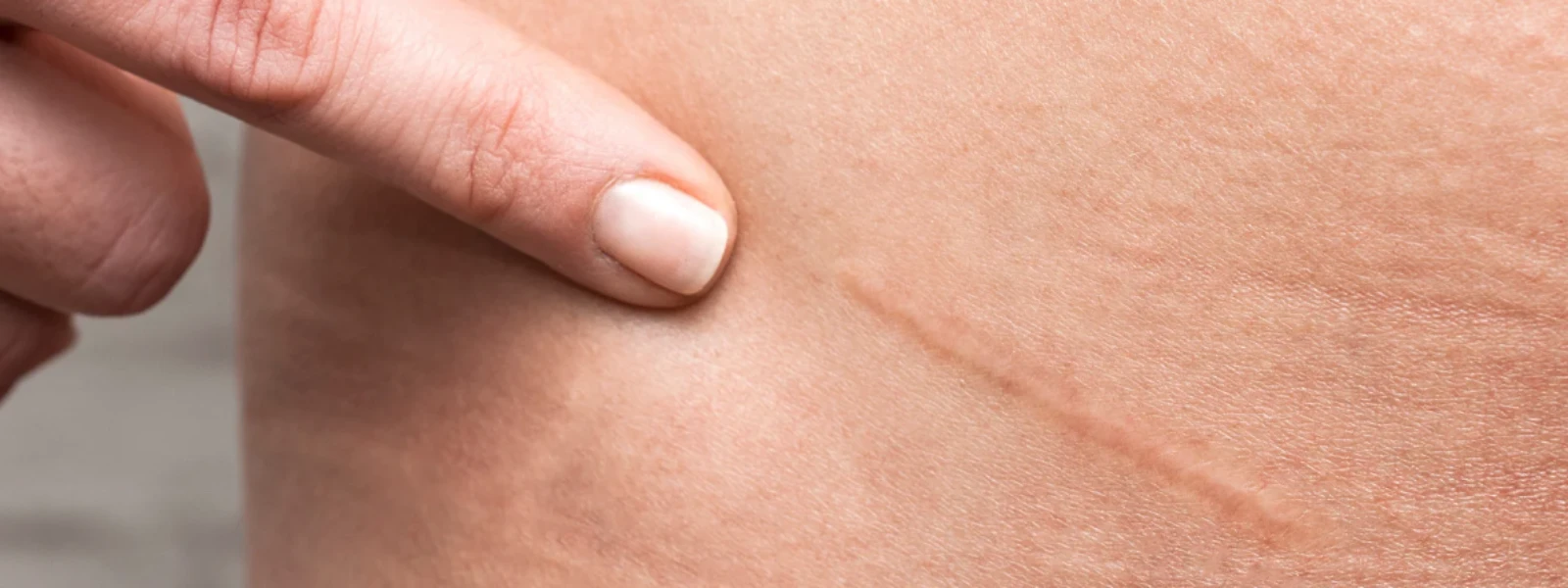
Scars tell stories, but not everyone wants their skin to be a permanent storyteller. If you've been wondering does vitamin e help scar healing, you're not alone. This popular remedy has been passed down through generations, appearing in countless beauty blogs and home remedy lists. But what does the science actually say about using vitamin e for scars? The truth might surprise you. Research reveals a more complex picture than the glowing testimonials suggest, and understanding the facts can save you time, money, and potential skin irritation.
The most cited study on this topic comes from 1999, when Dr. Baumann and her team tested vitamin E on surgical scars. The results were eye-opening. Not only did vitamin e oil for skin fail to improve scar appearance, but 33% of participants developed contact dermatitis from the treatment. Subsequent research has consistently supported these findings. Multiple studies show that topical vitamin E doesn't provide meaningful scar reduction benefits. The myth persists because people often confuse the moisturizing effects of the oil base with actual scar improvement. When skin stays hydrated, it naturally looks better, but this doesn't mean the vitamin E itself is healing the scar. The scientific consensus is clear: there's no reliable evidence that topical vitamin e improves scar healing beyond basic moisturization. This reality check doesn't diminish the importance of proper wound care, but it does highlight the need for evidence-based approaches.
Not all scars are created equal, and understanding the type you're dealing with helps set realistic expectations for any scar treatment. Different scars respond differently to various interventions, and what works for one type might be ineffective for another.
Acne scars come in several forms: ice pick, boxcar, and rolling scars. These deep tissue changes require more than surface treatments. Post-inflammatory hyperpigmentation, while not technically scarring, often gets lumped into the same category. Vitamin E won't address either issue effectively.
Fresh surgical scars go through predictable healing phases. During the first few weeks, keeping the wound clean and moist is crucial. However, this is where basic petroleum jelly outperforms vitamin E in both safety and effectiveness.
The 33% irritation rate from the Baumann study isn't just a statistic—it represents real people who experienced worsened skin conditions. Contact dermatitis from vitamin E can actually make scars more noticeable by causing inflammation and discoloration around the healing tissue. Warning signs of vitamin E sensitivity include redness, itching, burning sensations, or increased swelling around the application area. Some people develop these reactions immediately, while others may not notice problems until after weeks of use. The irony is that inflammation can interfere with proper skin healing, potentially making scars worse than if left alone. If you notice any adverse reactions, stop using vitamin E immediately. The skin around healing wounds is particularly sensitive, and continuing to irritate it can lead to prolonged healing times and more prominent scarring.
While vitamin E disappoints in clinical trials, several evidence-based options show real promise for how to heal scars effectively. These alternatives have research backing their safety and efficacy. Petroleum jelly remains the gold standard recommended by dermatologists. It's inexpensive, rarely causes reactions, and maintains the optimal moisture environment for healing. Silicone sheets and gels have FDA approval for scar treatment and show consistent results in clinical studies.
For mature scars that haven't responded to basic care, professional interventions offer hope. Laser therapy, chemical peels, and microneedling can address deeper tissue changes that topical treatments cannot reach.
Once wounds have fully closed, gentle massage can help break up scar tissue and improve flexibility. This mechanical intervention often proves more effective than any topical application.
Effective scar care follows a timeline that respects the natural healing process. Rushing or using inappropriate treatments at the wrong time can interfere with optimal outcomes. During the first two weeks, focus on keeping wounds clean and moist. Avoid vitamin E during this critical period. Instead, use plain petroleum jelly or products specifically designed for wound care. The goal is preventing infection and maintaining optimal healing conditions. Between two and eight weeks, scars begin forming their final structure. This is when gentle moisturizing becomes most important. Continue avoiding potential irritants like vitamin E, and consider introducing very gentle massage once the wound has completely closed. After two months, scars have reached maturity, though they continue changing for up to a year. This is when professional treatments become most effective if basic care hasn't achieved desired results.
Research consistently shows that vitamin E doesn't improve scar appearance and may cause irritation in one-third of users. The scientific evidence doesn't support its use for scar treatment.
Petroleum jelly is the dermatologist-recommended alternative. It's safer, more effective, and much less expensive than vitamin E products.
Yes, the high irritation rate can cause inflammation that interferes with healing and makes scars more prominent.
Consult a professional if scars are raised, painful, limit movement, or significantly impact your confidence. Early intervention often produces better results.
While vitamin E has antioxidant properties, topical application for scar healing specifically lacks scientific support. Focus on proven treatments for better results.
The evidence is clear: does vitamin e help scar healing? The answer is no, and it might even cause harm. Instead of relying on popular myths, choose evidence-based approaches that prioritize safety and effectiveness. Simple petroleum jelly outperforms expensive vitamin E products in both research and real-world results. Remember that proper scar care is about patience, consistency, and using treatments that science actually supports. Your skin deserves better than wishful thinking—it deserves proven solutions.
