


Essential Checklist: Scar Healing Strategies
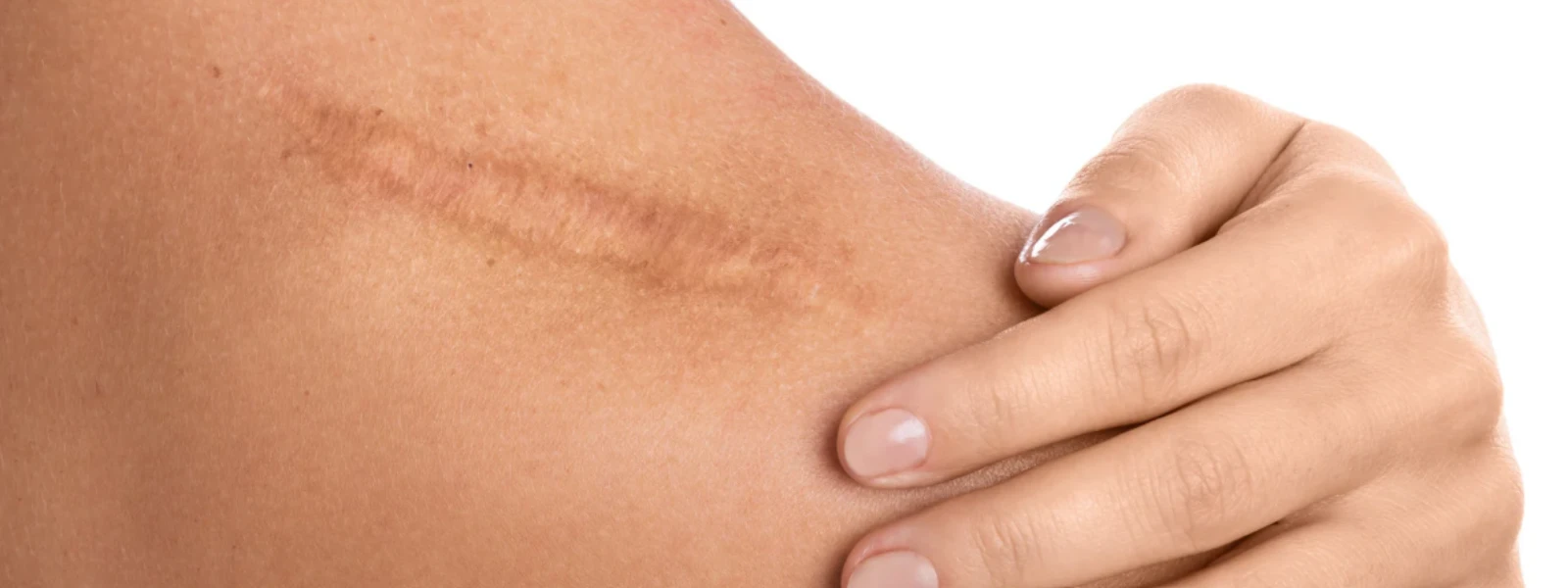
Dealing with scars can feel overwhelming, especially when you're not sure which treatments actually work. Whether you're managing post acne marks, surgical scars, or injury-related skin damage, having a clear roadmap makes all the difference. The good news is that modern scar treatment options offer real results when used correctly. From professional dermatological procedures to natural healing methods, there are proven strategies that can help fade scars and improve your skin's appearance. This comprehensive checklist will guide you through the best ways for scar healing, giving you practical steps to create an effective treatment plan.
Not all scars are created equal, and understanding your specific type is crucial for choosing the right treatment approach. Different scars respond to different therapies, so identifying what you're dealing with helps set realistic expectations and guides your treatment choices.
Atrophic scars are the most common type left behind by acne. These include ice pick scars (deep, narrow indentations), boxcar scars (wider depressions with defined edges), and rolling scars (wave-like undulations). Hypertrophic scars appear raised above the skin surface, while keloid scars extend beyond the original wound area. Each type requires different treatment strategies for optimal results.
Surgical scars typically heal in a more predictable pattern, often responding well to early intervention. Fresh surgical scars benefit from gentle care and proper wound healing protocols. Injury scars vary widely depending on the trauma type, depth, and how well the initial wound was treated. These scars often have irregular patterns that may require combination treatments.
Many people confuse post acne marks with actual scars. Post-inflammatory hyperpigmentation (PIH) appears as dark spots but doesn't involve texture changes. True acne scarring involves permanent changes to skin structure. PIH typically fades naturally over 6-12 months, while true scars require active treatment to improve.
Newer scars generally respond better to treatment than older ones. Scars less than two years old show the most dramatic improvement with proper care. However, even older scars can benefit from modern treatment approaches, though results may take longer to achieve.
Professional treatments offer the most dramatic results for significant scarring. Understanding your options helps you make informed decisions about which approaches might work best for your specific situation.
Laser therapy uses focused light energy to stimulate collagen production and resurface damaged skin. Fractional lasers create controlled micro-injuries that trigger natural healing responses. Chemical peels remove damaged surface layers, promoting new skin growth. Deeper peels can address more severe scarring but require longer recovery times. Microneedling creates tiny punctures that stimulate collagen production, improving skin texture over time.
Effective scar creams contain active ingredients like retinoids, which accelerate cell turnover, and vitamin C, which supports collagen synthesis. Silicone-based products create an optimal healing environment by maintaining moisture and protecting the scar. For active acne that can lead to scarring, performance-driven serums with 2% Salicylic Acid and Tea Tree Oil help treat breakouts while preventing future scarring. These powerful formulations work by gently exfoliating dirt, excess oil and bacteria to give visibly clearer, soothed skin, while 5% Niacinamide helps reduce enlarged pores and control oil production.
Dermal fillers can temporarily improve the appearance of deep atrophic scars by plumping the depressed areas. Steroid injections help flatten raised scars like keloids and hypertrophic scars. These treatments often require multiple sessions for optimal results.
Natural approaches can complement professional treatments or serve as standalone options for mild scarring. While results may be slower than medical treatments, natural methods often have fewer side effects and can be more budget-friendly.
Vitamin E oil has mixed research results, but many people report improvements in scar appearance with consistent use. Vitamin C serums support collagen production and can help fade discoloration. Aloe vera contains compounds that promote wound healing and reduce inflammation. Its cooling properties also provide comfort during the healing process.
Rosehip oil contains essential fatty acids and vitamins that support skin repair. Apply it twice daily to clean skin for best results. Honey masks provide antibacterial properties and gentle exfoliation. Raw honey works best due to its higher enzyme content. Gentle massage with natural oils can improve blood circulation and help break down scar tissue over time.
Proper nutrition supports skin repair from the inside out. Focus on foods rich in vitamin C, zinc, and protein. Adequate sleep allows your body to focus energy on healing processes. Stress management is crucial since chronic stress can slow wound healing and worsen inflammation.
Consistency is key when it comes to scar treatment. Following a structured routine ensures you're giving your skin the best chance to heal and improve over time.
Start with gentle cleansing using a mild, non-irritating cleanser. Apply any prescribed topical treatments to clean, dry skin. Follow with a broad-spectrum sunscreen of at least SPF 30, as UV protection is crucial for preventing further damage and discoloration.
Cleanse thoroughly to remove sunscreen and daily buildup. Apply active treatments like retinoids or scar-specific serums. Use a moisturizer to maintain skin barrier function and prevent excessive dryness that can impede healing.
Incorporate gentle exfoliation once or twice weekly to promote cell turnover. Use natural masks or specialized scar treatments as recommended. Take progress photos in consistent lighting to track improvements over time.
Adjust your routine as scars improve, potentially reducing frequency of active treatments. Continue sun protection indefinitely to prevent regression. Schedule regular check-ins with a dermatologist if using professional treatments.
Most scars continue improving for up to two years after formation. Newer scars show the most dramatic changes in the first 6-12 months. However, without active treatment, significant scarring rarely disappears completely on its own.
Yes, even old scars can improve with proper treatment, though results may be slower and less dramatic than treating newer scars. Professional treatments like laser therapy and chemical peels can still provide meaningful improvements.
Acne marks are flat discolorations that fade naturally over time. True acne scars involve permanent changes to skin texture, creating depressions or raised areas that require active treatment to improve.
Professional treatments often provide faster, more dramatic results than over-the-counter options. For significant scarring, the investment in professional care can be worthwhile. However, consistent use of quality topical products can also provide meaningful improvements.
Proper wound care significantly reduces scarring risk. Keep wounds clean and moist, avoid picking at healing skin, and protect from sun exposure. Early intervention with appropriate treatments can minimize scar formation.
Sensitive skin benefits from gentle, fragrance-free formulations with ingredients like silicone or hyaluronic acid. Oily skin can handle stronger active ingredients like retinoids or salicylic acid. Always patch test new products before full application.
Successful scar healing requires patience, consistency, and the right approach for your specific scar type. Start with proper identification of your scarring, then choose treatments that match your needs and budget. Remember that natural methods can be effective but typically take longer than professional treatments. Combining approaches often yields the best results. Most importantly, maintain realistic expectations and give treatments adequate time to work. With the right strategy and commitment, most scars can show significant improvement, helping you feel more confident in your skin.
