

Dark Spots After Acne: Complete Treatment Guide
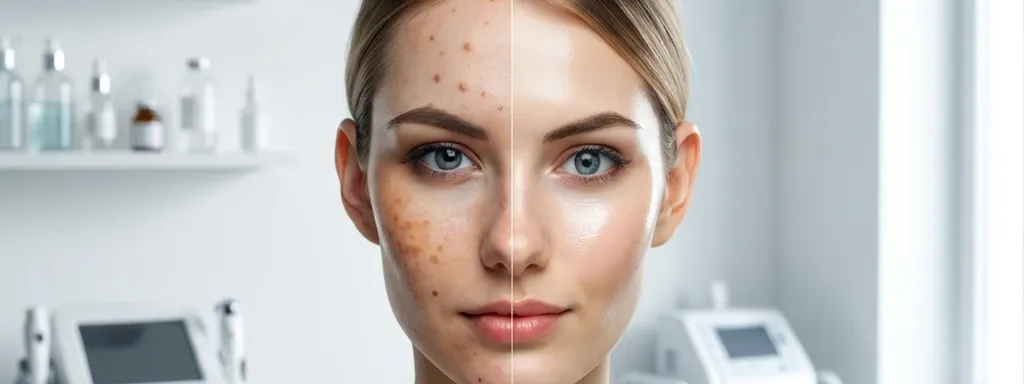
Dealing with dark spots after acne can feel frustrating, especially when you've finally cleared your breakouts only to be left with stubborn marks. These lingering reminders of past pimples affect millions of people and can impact confidence just as much as active acne. The good news? Dark spots after acne treatment options are more effective than ever, ranging from professional procedures to gentle home remedies. Understanding what causes these marks and how to treat them properly can help you achieve the clear, even skin tone you've been working toward. Let's explore everything you need to know about tackling post-acne discoloration safely and effectively.
Dark spots that appear after acne breakouts are medically known as post-inflammatory hyperpigmentation or PIH. This condition occurs when your skin produces excess melanin in response to inflammation from acne lesions. Unlike true acne scars, which involve changes in skin texture and depth, PIH affects only the color of your skin. These marks typically appear as brown, purple, or reddish patches where pimples once were. The exact color depends on your skin tone and the depth of inflammation. People with darker skin tones often develop brown or black spots, while those with lighter skin may see red or purple discoloration. Understanding this difference is crucial for choosing the right hyperpigmentation treatment approach.
Many people confuse dark spots with acne scars, but they're quite different. PIH is flat and only affects pigmentation, while scarring from acne involves actual tissue damage that creates depressions or raised areas on the skin.
Dark spots from acne appear as flat, discolored patches that don't change the skin's texture. They're most noticeable in areas where acne was most severe, such as the cheeks, forehead, and jawline.
Understanding why skin discoloration after acne occurs helps you prevent future marks and choose better treatments. When acne causes inflammation, your skin's natural response includes increased melanin production as a protective mechanism. Several factors contribute to dark spot formation. Picking or squeezing pimples significantly increases your risk of developing PIH by causing additional trauma to already inflamed skin. Hormonal fluctuations can also influence melanin production, making some people more prone to post-acne marks. Sun exposure during the healing process can darken existing spots and make them more persistent.
The inflammatory response triggered by acne lesions stimulates melanocytes to produce excess pigment. This process can continue even after the pimple has healed, leaving behind the characteristic dark marks.
Certain factors increase your likelihood of developing dark spots after acne. These include having darker skin, a history of picking at breakouts, hormonal imbalances, and inadequate sun protection during healing.
Dermatologist-administered treatments offer the fastest and most dramatic results for dark spot removal. These professional options can significantly reduce the appearance of post-acne marks in a matter of weeks rather than months. Chemical peels represent one of the most effective professional treatments for PIH. These controlled acid applications remove damaged skin layers and promote cell turnover. Glycolic acid, salicylic acid, and TCA peels are commonly used for acne mark fading. Laser therapy offers another powerful option, with treatments like IPL and fractional lasers targeting pigmented areas specifically.
Dermatologists may prescribe hydroquinone, tretinoin, or combination creams for stubborn dark spots. These medications work faster than over-the-counter alternatives but require professional monitoring.
Professional treatments typically show results within 4-12 weeks. Multiple sessions may be needed for optimal results, depending on the severity of pigmentation.
Home treatments offer a gentler, more affordable approach to addressing post-acne discoloration. While results take longer than professional procedures, consistent use of proven ingredients can significantly improve uneven skin tone. Vitamin C serums are excellent for PIH treatment at home. This antioxidant helps inhibit melanin production while promoting collagen synthesis. Look for stable forms like magnesium ascorbyl phosphate or sodium ascorbyl phosphate. Over-the-counter retinol products also help by accelerating cell turnover and preventing new dark spots from forming. Niacinamide, a form of vitamin B3, reduces inflammation and helps regulate melanin transfer. Azelaic acid offers dual benefits by treating both acne and hyperpigmentation simultaneously. Salicylic acid helps prevent new breakouts while gently exfoliating to fade existing marks.
Morning routines should focus on protection with vitamin C serum followed by broad-spectrum SPF 30+ sunscreen. Evening routines can include treatment ingredients like retinol or azelaic acid, applied after cleansing and before moisturizer.
Some natural ingredients show promise for treating dark spots. Kojic acid from fungi, arbutin from bearberry plants, and licorice root extract all have melanin-inhibiting properties backed by research.
Prevention remains the best strategy for avoiding new dark spots. The most important rule is never to pick, squeeze, or manipulate active acne lesions. This hands-off approach significantly reduces your risk of developing PIH. Gentle skincare practices during breakouts help minimize inflammation. Use lukewarm water, avoid harsh scrubbing, and choose non-comedogenic products. Daily sunscreen application is crucial since UV exposure can darken existing spots and make them more persistent.
Treating acne promptly and effectively reduces the likelihood of severe inflammation that leads to dark spots. Anti-inflammatory ingredients like niacinamide can help calm active breakouts.
Maintaining a healthy skin barrier through proper moisturizing and gentle cleansing helps your skin heal more effectively and reduces the risk of post-inflammatory changes.
Realistic expectations are crucial for successful dark spots after acne treatment. Professional treatments typically show initial improvements within 4-6 weeks, with optimal results appearing after 8-12 weeks. At-home treatments require more patience, with noticeable changes usually appearing after 8-16 weeks of consistent use. Several factors affect healing speed, including the depth of pigmentation, your skin type, and the treatment method used. Newer, lighter spots generally fade faster than older, darker ones. Consistent product use and sun protection significantly impact treatment success.
Look for gradual lightening of dark spots, improved overall skin tone evenness, and reduced contrast between affected and unaffected areas. Progress photos can help track subtle changes over time.
If you don't see any improvement after 12-16 weeks of consistent home treatment, consider consulting a dermatologist for stronger options or to rule out other skin conditions.
There's no legitimate way to remove dark spots overnight. Beware of products making such claims, as they often contain harsh ingredients that can damage your skin. The fastest realistic results come from professional treatments, which still require several weeks to show significant improvement.
Dark spots from acne are not permanent, though they can take 12+ months to fade naturally without treatment. With proper care and treatment, most PIH can be significantly improved or completely resolved within 3-6 months.
Dark spots are flat discolorations that only affect skin color, while acne scars involve actual tissue damage creating depressions or raised areas. PIH responds well to topical treatments, while true scars typically require professional procedures like microneedling or laser resurfacing.
Yes, you can simultaneously address active acne and existing dark spots. Many ingredients like salicylic acid and azelaic acid treat both conditions. However, be gentle with your skin and introduce new products gradually to avoid irritation.
Always patch test new products before full application. Start with lower concentrations and gradually increase as your skin tolerates. Never use multiple strong active ingredients simultaneously, and always wear sunscreen during treatment to prevent darkening of spots.
Dark spots after acne are treatable with patience and the right approach. Whether you choose professional treatments for faster results or prefer gentle home remedies, consistency is key to success. Remember that prevention through gentle skincare practices and sun protection remains your best defense against future dark spots. With proper treatment and realistic expectations, you can achieve the clear, even skin tone you desire. The journey may take time, but the results are worth the effort when you see your confidence return along with your healthy-looking skin.
