


Dark Spot Correctors: Your Complete Guide to Clear Skin
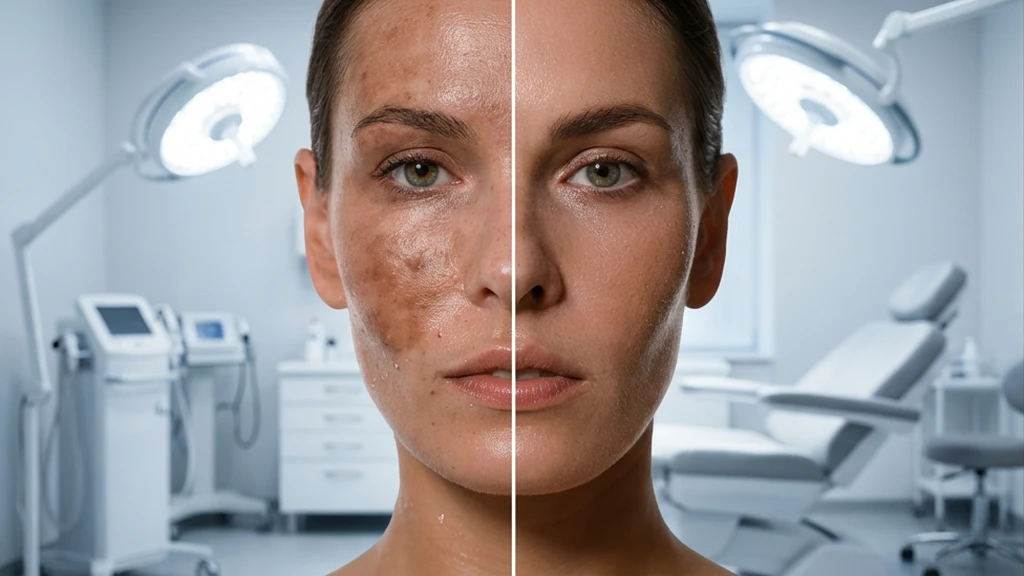
Dark spots can feel like unwelcome guests that overstay their welcome on your skin. Whether they're from old acne scars, sun damage, or hormonal changes, these stubborn marks can make your complexion look uneven and dull. The good news? Science has given us powerful tools to fight back. Understanding which ingredients actually work—and how to use them safely—can transform your skin from spotted to smooth. Let's dive into the most effective, research-backed solutions that dermatologists trust.
Dark spots form when your skin produces too much melanin in certain areas. This happens for several reasons, and knowing the cause helps you choose the right treatment approach. Post-inflammatory hyperpigmentation is one of the most common culprits. When your skin gets inflamed from acne, cuts, or irritation, it can leave behind dark marks as it heals. Sun exposure makes this worse by triggering even more melanin production. Age spots develop from years of UV damage, while melasma often appears during pregnancy or from hormonal changes.
Many people try random products without understanding their skin type or the depth of their spots. Surface-level treatments won't touch deeper pigmentation. Using harsh ingredients too quickly can actually make dark spots worse by causing more inflammation.
Skin cells take about 28 days to turn over completely. Deeper pigmentation can take 3-6 months to fade significantly. Expecting overnight results leads to frustration and product-hopping that disrupts your skin's healing process.
Not all skin brightening ingredients are created equal. Some work by blocking melanin production, others speed up cell turnover, and the best ones do both. Here are the proven powerhouses that deliver real results. Vitamin C stands out as one of the most effective and gentle options. This antioxidant blocks the enzyme that creates melanin while protecting your skin from future damage. Look for L-ascorbic acid in concentrations between 10-20%. If you have sensitive skin, try magnesium ascorbyl phosphate or sodium ascorbyl phosphate instead.
Apply vitamin C serum in the morning before sunscreen. Start with every other day if you're new to active ingredients. Store it in a cool, dark place since vitamin C breaks down in light and heat.
Topical retinoids work by speeding up skin cell renewal, pushing pigmented cells to the surface faster. Prescription tretinoin is strongest, but over-the-counter retinol can be effective too. Start with twice weekly applications and gradually increase as your skin adjusts.
Hydroquinone remains the most potent spot-fading ingredient available. It directly blocks melanin production and can lighten even stubborn spots. Use 2% concentrations for daily use, but limit treatment to 3-4 months at a time to avoid side effects.
Azelaic acid deserves special attention for its versatility. This ingredient fights both acne and pigmentation while being gentle enough for sensitive skin. It works by normalizing skin cell turnover and reducing inflammation that can worsen dark spots. Unlike some harsh treatments, azelaic acid won't make your skin more sensitive to sun. It's particularly effective for acne scar removal since it addresses both the pigmentation and prevents new breakouts.
Kojic acid comes from fermented rice and works by inhibiting melanin production. It's gentler than hydroquinone but still effective for fading spots. Look for products with 1-2% kojic acid, often combined with other brightening ingredients for better results.
Niacinamide (vitamin B3) reduces inflammation and helps fade dark spots gradually. It's one of the safest ingredients you can use, working well with almost everything else in your routine. Use 5-10% concentrations twice daily.
Combining ingredients strategically can boost your results significantly. The key is understanding which combinations work together and which can cause irritation. Morning routines should focus on protection and gentle brightening. Use vitamin C, niacinamide, and always finish with broad-spectrum sunscreen. Evening is when you can use stronger treatments like retinoids or hydroquinone.
Gentle exfoliation with AHAs like glycolic acid can help other ingredients penetrate better. Use these 2-3 times per week, never on the same night as retinoids. Over-exfoliation will set back your progress and can worsen pigmentation.
Apply products from thinnest to thickest consistency. Serums go before moisturizers, and always wait a few minutes between layers. This ensures each ingredient can work effectively without interference.
Hyperpigmentation treatment needs to match the type of spots you're dealing with. Fresh acne scars respond well to vitamin C and niacinamide. Older, deeper spots might need retinoids or professional treatments. Sun spots often require more aggressive treatment since they've had years to develop. Hydroquinone combined with retinoids can be very effective, but you'll need patience and consistent sunscreen use.
Hormonal pigmentation like melasma is notoriously stubborn. Gentle, consistent treatment works better than harsh approaches that can trigger more pigmentation. Azelaic acid and vitamin C are good starting points.
The best treatment for dark spots is preventing new ones. Daily sunscreen use is non-negotiable. Treat acne quickly to prevent scarring, and avoid picking at your skin.
Hydroquinone typically shows results in 6-8 weeks, making it the fastest-acting ingredient. However, vitamin C and retinoids provide more long-term benefits with continued use.
Yes, but use vitamin C in the morning and retinol at night. Using them at the same time can cause irritation and reduce their effectiveness.
Most people notice improvements in 4-6 weeks with consistent use. Deeper pigmentation can take 3-6 months to fade significantly. Patience and consistency are crucial.
Some natural ingredients like licorice extract and arbutin can help, but they're generally slower and less potent than proven actives like vitamin C and retinoids.
This is normal with treatments that increase cell turnover. As deeper pigmented cells come to the surface, spots may temporarily appear darker before fading away.
Yes, but introduce them gradually. Start with one ingredient for 2-4 weeks, then slowly add others. Too many actives at once can cause irritation and worsen pigmentation.
Treating dark spots successfully requires understanding your skin type and choosing the right ingredients for your specific concerns. Start with gentler options like vitamin C and niacinamide before moving to stronger treatments. Consistency matters more than using every trending ingredient at once. Remember that uneven skin tone didn't develop overnight, and it won't disappear overnight either. Give treatments at least 8-12 weeks to work before deciding if they're effective. Most importantly, protect your progress with daily sunscreen use—it's the difference between clear skin and a cycle of new dark spots.
