

Clear Skin Means: Your Complete Acne Treatment Guide
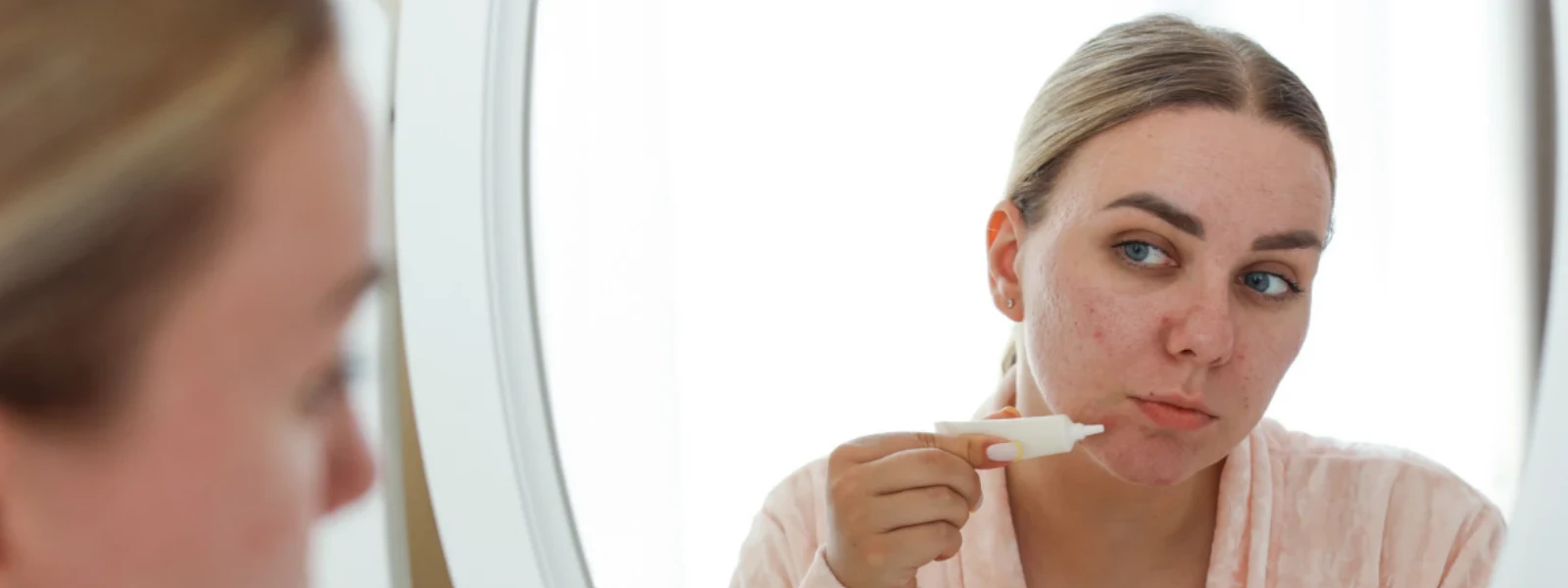
Clear skin means more than just the absence of pimples. It represents healthy, balanced skin that feels smooth, looks even-toned, and radiates natural vitality. Many people think clear skin means perfection, but that's not realistic or necessary. True clear skin shows small, barely visible pores, consistent texture, and a natural glow that comes from proper care and healthy habits. Understanding what clear skin means helps you set realistic goals and choose the right approach for your unique skin type. Whether you're dealing with occasional breakouts or persistent acne, knowing the foundation of healthy skin guides your journey toward the complexion you want.
Clear skin means having a complexion that's free from active breakouts, excessive oiliness, and visible irritation. It doesn't mean your skin needs to be completely flawless or poreless like a filtered photo. Real clear skin has a smooth texture with minimal visible pores, even skin tone without major discoloration, and a natural radiance that comes from good health. The characteristics of truly clear skin include balanced oil production that keeps your face hydrated without excess shine. Your skin should feel comfortable throughout the day without tightness, flaking, or excessive greasiness. Clear skin also means having resilient skin that heals quickly from minor irritations and doesn't react strongly to environmental changes. Many people confuse clear skin with perfect skin, but they're different concepts. Perfect skin is an unrealistic standard often created by photo editing and professional lighting. Clear skin is achievable and sustainable with the right care routine. It acknowledges that everyone has natural skin texture, occasional minor blemishes, and unique characteristics that make their complexion beautiful. Your clear skin will look different from someone else's because skin type, genetics, and lifestyle all play roles. Someone with naturally oily skin might have clear skin that's more radiant, while someone with dry skin might have clear skin that's more matte. The key is working with your natural skin type rather than fighting against it.
Understanding the causes of acne helps you choose the most effective treatments and prevention strategies. Acne develops when hair follicles become clogged with oil, dead skin cells, and bacteria. This process involves several factors working together, which explains why acne can be so persistent and why different people need different approaches.
Hormonal fluctuations are one of the primary causes of acne, especially during puberty, menstrual cycles, and times of stress. These hormones increase oil production in your skin, creating an environment where acne-causing bacteria can thrive. This is why many people notice breakouts during specific times of the month or during stressful periods. Excess oil production, also called sebum, creates the foundation for most acne problems. When your skin produces too much oil, it can mix with dead skin cells and block your pores. This blockage creates the perfect environment for bacteria to multiply, leading to inflammation and visible breakouts. Genetic factors also influence your likelihood of developing acne and the types of acne you experience. If your parents had acne, you're more likely to develop it too. Genetics affect your skin's oil production, pore size, and how your skin responds to bacteria and inflammation.
Comedonal acne includes blackheads and whiteheads, which are the mildest forms of acne. Blackheads form when pores are partially blocked, allowing the trapped material to oxidize and turn dark. Whiteheads develop when pores are completely blocked, creating small, flesh-colored bumps under the skin. Inflammatory acne includes papules and pustules, which are red, swollen bumps that can be tender to touch. Papules are small, red bumps without visible pus, while pustules have a white or yellow center filled with pus. These types of acne indicate that bacteria have caused inflammation in the blocked pore. Cystic and nodular acne are the most severe forms, developing deep under the skin as large, painful lumps. These types of acne can cause permanent scarring and often require professional treatment. They form when the infection spreads deep into the skin tissue, creating hard, painful nodules that can last for weeks or months.
Building an effective clear skin routine requires consistency, patience, and the right products for your skin type. The key is starting with gentle, proven ingredients and gradually building a routine that addresses your specific skin concerns. Remember that how to get clear skin isn't about using the most products, but about using the right ones consistently.
Start your morning with gentle cleansing using lukewarm water and a mild cleanser. The best face wash for acne-prone skin contains salicylic acid or benzoyl peroxide, but use these ingredients carefully to avoid over-drying. If you're just starting an acne treatment routine, begin with a gentle, non-comedogenic cleanser to establish the habit. After cleansing, apply a lightweight, oil-free moisturizer even if you have oily skin. Skipping moisturizer can actually make acne worse by causing your skin to produce more oil to compensate for dryness. Choose a moisturizer labeled "non-comedogenic" to ensure it won't clog your pores.
Your evening routine can include more active ingredients since your skin repairs itself overnight. If you wear makeup or sunscreen, start with a gentle makeup remover or cleansing oil, followed by your regular cleanser. This double cleansing method ensures you remove all traces of products and pollutants from the day. Incorporate acne treatment products gradually, starting with lower concentrations to let your skin adjust. Retinoids, salicylic acid, and benzoyl peroxide are proven acne treatments, but they can cause irritation if introduced too quickly. Start by using active ingredients every other night, then gradually increase frequency as your skin tolerates them.
Gentle exfoliation once or twice a week helps remove dead skin cells that can clog pores. Choose chemical exfoliants like salicylic acid over physical scrubs, which can irritate acne-prone skin. Clay masks can also help absorb excess oil and deep-clean pores, but use them sparingly to avoid over-drying your skin.
Effective acne treatment often requires a combination of approaches, from gentle daily care to more intensive treatments for persistent breakouts. The key is matching the treatment intensity to your acne severity and skin sensitivity. Starting with gentler options allows you to build tolerance and avoid unnecessary irritation.
Salicylic acid is one of the most effective over-the-counter acne treatments because it penetrates oil and helps unclog pores. It's particularly good for blackheads and whiteheads. Start with a 0.5% concentration and gradually increase to 2% if needed. Benzoyl peroxide kills acne-causing bacteria and is especially effective for inflammatory acne. Retinol, the over-the-counter version of prescription retinoids, helps increase cell turnover and prevent clogged pores. It can cause initial dryness and peeling, so introduce it slowly. Niacinamide and zinc are gentler options that help reduce inflammation and control oil production without causing significant irritation.
When over-the-counter treatments aren't enough, dermatologists can prescribe stronger medications like tretinoin, adapalene, or oral antibiotics. These treatments are more effective for moderate to severe acne but require professional monitoring. Chemical peels and professional extractions can also help clear existing breakouts and improve skin texture.
Natural remedies for acne can be effective supplements to your skincare routine, especially for mild breakouts or sensitive skin. While they may work more slowly than conventional treatments, natural approaches often have fewer side effects and can support overall skin health. The key is choosing evidence-based natural ingredients rather than relying on unproven home remedies. Tea tree oil has antimicrobial properties that can help reduce acne-causing bacteria. Use it diluted to 5-10% concentration to avoid irritation. Green tea extract contains antioxidants and anti-inflammatory compounds that can soothe irritated skin when applied topically or consumed as a beverage. Honey, particularly Manuka honey, has natural antibacterial properties and can be used as a gentle face mask. Aloe vera gel can help reduce inflammation and redness associated with acne breakouts. These natural ingredients work best as part of a comprehensive routine rather than standalone treatments. Dietary approaches may also support clear skin, though the connection between diet and acne varies by individual. Some people find that reducing dairy or high-glycemic foods helps their skin, while others see no difference. Staying hydrated and eating a balanced diet rich in antioxidants supports overall skin health.
Preventing acne is often easier than treating existing breakouts, and it requires consistent daily habits rather than intensive treatments. The goal is to prevent acne by maintaining balanced skin that's neither too oily nor too dry, while avoiding behaviors that can trigger breakouts.
Proper cleansing without over-washing is crucial for preventing acne. Wash your face twice daily with a gentle cleanser, but avoid scrubbing or using hot water, which can irritate your skin and trigger more oil production. Pat your skin dry with a clean towel rather than rubbing. Stress management plays a significant role in preventing acne because stress hormones can trigger breakouts. Regular exercise, adequate sleep, and stress-reduction techniques like meditation can help keep your skin clear. Aim for 7-9 hours of quality sleep, as your skin repairs itself most effectively during rest.
Over-cleansing and using harsh scrubs can damage your skin barrier and actually worsen acne. Your skin needs some natural oils to stay healthy, so aggressive cleansing can trigger increased oil production. Stick to gentle cleansing twice daily and avoid products that leave your skin feeling tight or stripped. Picking and touching your face transfers bacteria from your hands to your skin and can push infected material deeper into pores. This behavior can turn minor blemishes into larger, more inflamed breakouts and increase your risk of acne scars. Keep your hands away from your face and resist the urge to squeeze or pick at blemishes.
Acne scars develop when inflammatory acne damages the deeper layers of skin, causing permanent changes in skin texture. Understanding the different types of acne scars helps you choose appropriate treatments and set realistic expectations for improvement. Prevention during active breakouts is always easier than treating existing scars. The main types of acne scars include ice pick scars (deep, narrow indentations), boxcar scars (broader depressions with defined edges), and rolling scars (wave-like indentations). Each type responds differently to treatment, and many people have a combination of scar types that require multiple approaches. Preventing acne scars starts with treating active acne promptly and avoiding picking or squeezing blemishes. Using sunscreen daily is crucial because UV exposure can darken acne marks and make scars more visible. Professional treatments like chemical peels, microneedling, and laser therapy can improve the appearance of existing scars, but results take time and multiple sessions.
Clear skin means having a healthy complexion that's free from active acne, excessive oiliness, and visible irritation. It includes smooth texture, even tone, and balanced oil production, but doesn't require perfection or completely invisible pores.
Most people see initial improvements in 6-8 weeks with consistent skincare routines. Significant changes typically take 3-6 months, while severe acne may require 6-12 months of treatment. Patience and consistency are key to achieving lasting results.
While lifestyle factors like diet, sleep, and stress management support clear skin, most people need some skincare products for optimal results. Natural approaches work best combined with gentle, proven ingredients rather than as complete replacements for skincare.
The best face wash for acne contains salicylic acid or benzoyl peroxide in gentle formulations. Look for non-comedogenic, fragrance-free options that clean without over-drying. Start with lower concentrations and increase gradually as your skin adjusts.
Clear skin is often associated with health, youth, and good self-care habits. Evolutionarily, clear skin may signal good health and genetic fitness. Culturally, clear skin is promoted as an ideal, though natural skin variation is completely normal and beautiful.
Achieving clear skin means understanding that healthy skin is the goal, not perfection. Focus on consistent, gentle care that works with your natural skin type rather than against it. Remember that clear skin routines take time to show results, typically 6-12 weeks for noticeable improvements. The most effective approach combines proper cleansing, appropriate acne treatments, and healthy lifestyle habits. Start with gentle products and gradually introduce active ingredients to avoid irritation. Professional help is available when over-the-counter treatments aren't sufficient, and early intervention can prevent scarring and long-term skin damage.
