

Best Treatments for Acne Scars and Dark Spots: Creams That Work
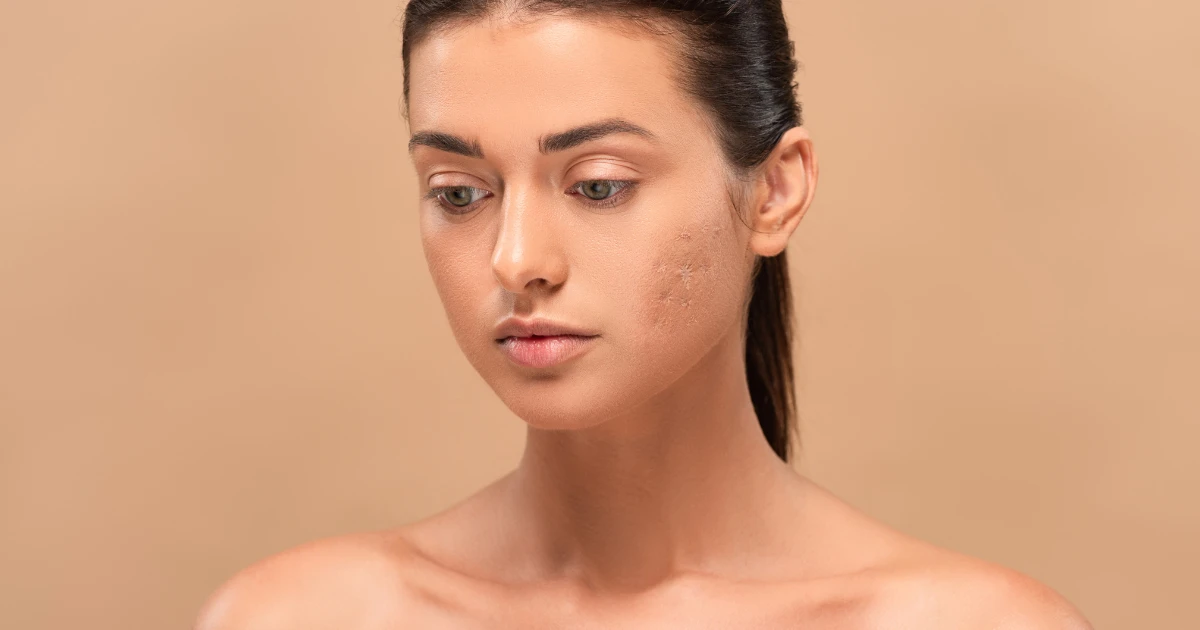
Dealing with post acne marks and stubborn dark spots can feel overwhelming, especially when you're unsure which products actually deliver results. Whether you're battling lingering reminders of past breakouts or trying to even out your skin tone, finding the right best cream for acne scars and dark spots makes all the difference. The good news? You don't need to spend a fortune or undergo invasive procedures to see real improvement. With the right ingredients and consistent application, topical treatments can significantly fade these marks over time. Let's explore nine proven options that dermatologists recommend for transforming your skin.
Before diving into product recommendations, it's crucial to understand what you're actually treating. Many people use the terms "acne scars" and "dark spots" interchangeably, but they're quite different skin concerns that require different approaches.
True acne scars involve actual changes to your skin's texture. Atrophic scars create depressions in the skin, including ice pick scars (deep, narrow holes), boxcar scars (broad depressions with sharp edges), and rolling scars (wave-like indentations). Hypertrophic and keloid scars, on the other hand, are raised above the skin surface due to excess collagen production during healing.
Dark spots, technically called post-inflammatory hyperpigmentation (PIH), are flat discolorations that remain after acne heals. These marks don't change your skin's texture but create uneven pigmentation. PIH responds much better to topical treatments than textured scars, which is why choosing the right hyperpigmentation cream is so important.
Not all skincare ingredients are created equal when it comes to fading marks and improving skin texture. Understanding which active ingredients target your specific concerns helps you choose the most effective scar removal cream for your needs.
Retinoids are the gold standard for acne scar treatment because they boost collagen production and accelerate cell turnover. This helps fill in shallow scars while preventing new breakouts.
Vitamin C acts as a powerful skin brightening cream ingredient that inhibits melanin production while providing antioxidant protection. It's particularly effective for fading dark spots and preventing new pigmentation.
This gentle yet effective ingredient reduces inflammation, regulates oil production, and helps fade dark spots without irritation. It's perfect for sensitive skin types who can't tolerate stronger actives.
After extensive research and dermatologist recommendations, these nine products stand out for their proven ability to address post acne marks and improve overall skin texture. Each option targets different skin types and concerns.
Retinol creams combine proven anti-aging benefits with acne scar improvement. Look for formulations with 0.25% to 1% retinol, depending on your skin's tolerance level.
Niacinamide-based creams offer effective results without harsh side effects. These formulations often include soothing ingredients like ceramides and hyaluronic acid.
Over-the-counter hydroquinone creams (2% concentration) provide professional-level results at an affordable price point. They're particularly effective for stubborn dark spots.
High-concentration glycolic acid creams (10-15%) offer intensive exfoliation that can improve the appearance of deeper textural issues over time.
Kojic acid creams specifically target melanin production, making them excellent choices for addressing uneven skin tone and persistent pigmentation.
Selecting the right best dark spot treatment depends heavily on your skin type, sensitivity level, and the severity of your concerns. What works beautifully for one person might cause irritation for another.
Look for lightweight, non-comedogenic formulas with salicylic acid or retinoids. Avoid heavy creams that might clog pores and worsen breakouts.
Choose gentler ingredients like vitamin C, niacinamide, or low-concentration AHAs. Always pair active ingredients with hydrating components like hyaluronic acid.
Darker skin is more prone to post-inflammatory hyperpigmentation, so gentle, consistent treatment is key. Avoid harsh scrubs or high-concentration acids that might trigger more pigmentation.
Even the best acne scar removal cream won't work without proper application and realistic expectations. Consistency trumps intensity when it comes to fading marks and improving skin texture.
Always apply treatments to clean, dry skin. Start with a pea-sized amount and gradually increase frequency as your skin builds tolerance.
Most people see initial improvements within 4-6 weeks, with significant results appearing after 8-12 weeks of consistent use. Deeper scars may take several months to show noticeable improvement.
Multi-benefit creams containing niacinamide, retinol, or vitamin C address all three concerns. Look for formulations that combine acne-fighting ingredients with brightening agents.
Dark spots typically fade within 6-12 weeks, while textured scars may take 3-6 months to show improvement. Consistency is more important than using the strongest possible formula.
Yes, but introduce new products gradually. Always use sunscreen during the day, as many dark spot corrector ingredients increase sun sensitivity.
Fresh marks (less than 6 months old) respond better to gentle treatments, while older marks may need stronger actives. However, one well-formulated product can often address both.
Finding the right best cream for acne scars and dark spots requires understanding your skin type, choosing appropriate active ingredients, and maintaining consistent application. Whether you're dealing with fresh post-inflammatory hyperpigmentation or older textured scars, the right topical treatment can make a significant difference in your skin's appearance. Remember that patience and consistency yield the best results, and always protect your skin with sunscreen to prevent new pigmentation from forming.
