


Ultimate Guide: Remove Dark Circles Step by Step
Dark circles under your eyes can make you look tired, older, and less vibrant than you feel. Whether you've been dealing with them for years or they've recently appeared, you're not alone in wanting to find effective solutions.
The good news is that with the right approach, you can significantly reduce their appearance and even prevent them from getting worse. Understanding what causes your specific type of dark circles is the first step toward choosing the most effective treatment.
From simple home remedies to professional treatments, there are proven methods that work for different skin types and underlying causes.
Before diving into treatments, it's crucial to understand what's actually causing your dark circles causes. Not all dark circles are the same, and identifying your specific type will help you choose the most effective approach.
The main culprits behind under eye discoloration include genetics, aging, allergies, sleep deprivation, dehydration, sun exposure, and lifestyle factors. Some people are simply more prone to dark circles due to their bone structure or skin thickness. As we age, the skin becomes thinner, making blood vessels more visible underneath.
There are three main types of dark circles. Vascular dark circles appear blue or purple and are caused by visible blood vessels. Pigmented dark circles look brown or black and result from excess melanin production. Structural dark circles create shadows due to hollowing or puffiness around the eyes.
Hyperpigmentation under eyes is particularly common in people with darker skin tones and can be triggered by sun exposure, hormonal changes, or inflammation. Identifying whether your dark circles are vascular, pigmented, or structural helps determine which treatments will be most effective for your situation.
When it comes to how to get rid of dark circles, you have both immediate and long-term solutions available. The key is understanding that some methods provide quick temporary relief, while others require consistent use over weeks or months to see lasting results.
Professional treatments offer the most dramatic results for stubborn dark circles. Chemical peels can help with pigmented dark circles by removing damaged skin layers. Laser therapy targets both pigmentation and stimulates collagen production. Dermal fillers work well for structural dark circles by adding volume to hollow areas.
Microneedling combined with serums can improve skin texture and reduce pigmentation over time. These treatments typically require multiple sessions and can cost anywhere from $200 to $2000 depending on the method and location.
For treating dark circles at home, look for products containing retinol, vitamin C, niacinamide, or caffeine. These ingredients target different aspects of dark circle formation and can provide noticeable improvements with consistent use over 6-12 weeks.
Many people prefer starting with dark circles home remedies before investing in expensive treatments. The good news is that several natural approaches have scientific backing and can provide real improvements when used consistently.
Cold compresses are one of the most effective immediate remedies. They constrict blood vessels, reducing the appearance of vascular dark circles. Apply for 10-15 minutes using ice wrapped in a soft cloth or chilled spoons.
Tea bags, particularly green tea and chamomile, contain antioxidants and caffeine that can improve circulation and reduce puffiness. Steep the bags, let them cool, and place over closed eyes for 10-15 minutes.
Cucumber slices aren't just a spa cliché. They contain vitamin K and antioxidants that can help lighten dark circles. The cooling effect also provides immediate relief for puffy, tired eyes.
Sleep optimization is crucial for preventing dark circles. Aim for 7-9 hours of quality sleep and elevate your head slightly to prevent fluid accumulation. Staying hydrated helps maintain skin plumpness and reduces the appearance of dark circles.
Managing allergies is essential since chronic rubbing and inflammation can worsen pigmentation. Consider using air purifiers, hypoallergenic bedding, and avoiding known allergens to reduce under-eye irritation.
Choosing the best eye cream for dark circles depends on understanding which active ingredients target your specific concerns. Not all eye creams are created equal, and the right ingredients can make a significant difference in your results.
Retinol is excellent for stimulating collagen production and improving skin thickness, making blood vessels less visible. Start with a low concentration and use only at night to avoid irritation. Vitamin C brightens pigmentation and provides antioxidant protection.
Niacinamide reduces inflammation and helps with both pigmentation and puffiness. It's gentle enough for sensitive skin and works well in combination with other ingredients.
Caffeine is particularly effective as a puffy eyes remedy because it constricts blood vessels and reduces fluid retention. Look for eye creams with at least 1% caffeine for noticeable results.
Apply eye cream using your ring finger, which applies the least pressure. Gently pat from the inner corner to the outer corner, avoiding pulling or stretching the delicate skin. Use morning and evening for best results.
Creating a consistent routine is essential for learning how to remove dark circles effectively. This step-by-step approach combines the most effective methods into a manageable daily routine that delivers real results.
Your morning routine should focus on protection and preparation for the day ahead. Start with gentle cleansing, apply treatment products, protect with sunscreen, and finish with concealer if needed.
Step 1: Cleanse gently with a mild, fragrance-free cleanser. Avoid harsh rubbing or pulling on the delicate eye area.
Step 2: Apply your treatment serum or eye cream while skin is still slightly damp. This helps with absorption and effectiveness.
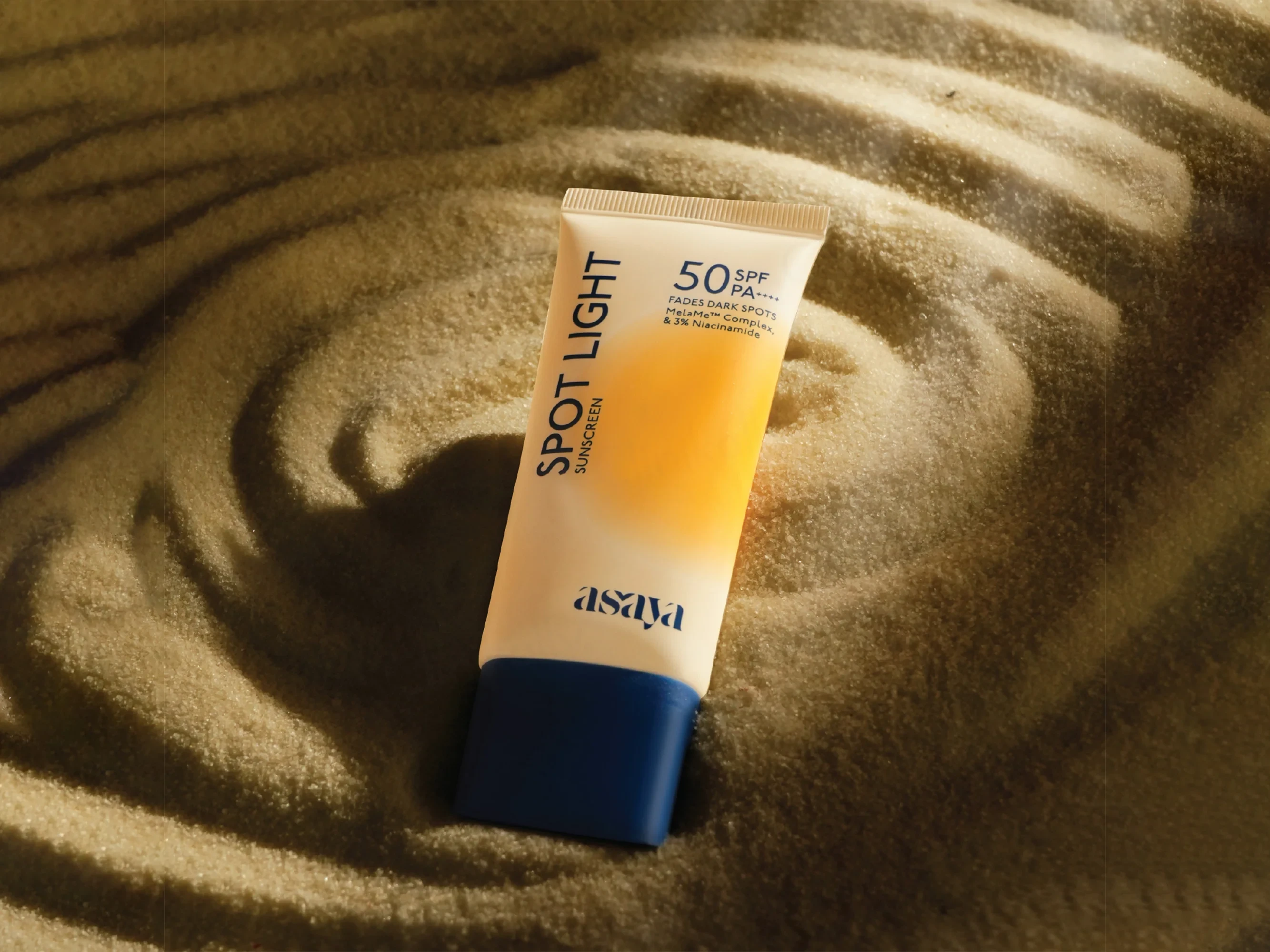
Step 3: Always apply broad-spectrum SPF 30 or higher around the eye area. Sun protection is crucial for preventing further pigmentation.
Step 4: If using concealer, choose a shade that matches your skin tone and apply in a triangular shape under the eye, blending outward.
Your evening routine focuses on repair and regeneration. Remove all makeup thoroughly, cleanse, apply stronger treatment products, moisturize, and consider overnight treatments.
Remove makeup with a gentle, oil-based cleanser or micellar water. Follow with your regular cleanser and apply treatment products like retinol or vitamin C serums. Finish with a nourishing eye cream or overnight mask.
Preventing hyperpigmentation under eyes is often easier than treating existing dark circles. Sun protection is your most important defense against worsening pigmentation and premature aging around the eyes.
Wear sunglasses with UV protection and apply sunscreen daily, even on cloudy days. The skin around your eyes is some of the thinnest on your body and particularly vulnerable to sun damage.
Maintain good sleep hygiene by keeping a consistent sleep schedule and creating a dark, cool sleeping environment. Consider using a humidifier to prevent skin dehydration.
Eat foods rich in antioxidants, vitamin K, and omega-3 fatty acids to support healthy circulation and skin repair. Stay hydrated by drinking plenty of water throughout the day.
Most topical treatments show initial improvements in 4-6 weeks with significant results after 12 weeks of consistent use. Professional treatments may show faster results but require multiple sessions.
While genetic dark circles may not be completely eliminated, they can be significantly reduced. Lifestyle-related dark circles often improve dramatically with proper treatment and prevention.
Dark circles involve discoloration under the eyes, while puffy eyes refer to swelling or bags. Some people have both conditions, which may require different treatment approaches.
Not necessarily. The effectiveness depends on the active ingredients and their concentrations, not the price. Some affordable products contain the same beneficial ingredients as luxury brands.
Removing dark circles requires patience, consistency, and the right approach for your specific type. Start by identifying whether your dark circles are vascular, pigmented, or structural, then choose treatments accordingly.
Combine effective ingredients like retinol, vitamin C, and caffeine with good lifestyle habits like adequate sleep and sun protection.
Remember that results take time, but with the right routine, you can achieve significant improvements in the appearance of dark circles and maintain healthier-looking skin around your eyes.
