


Melanin Reduction: Your Complete Skin Guide
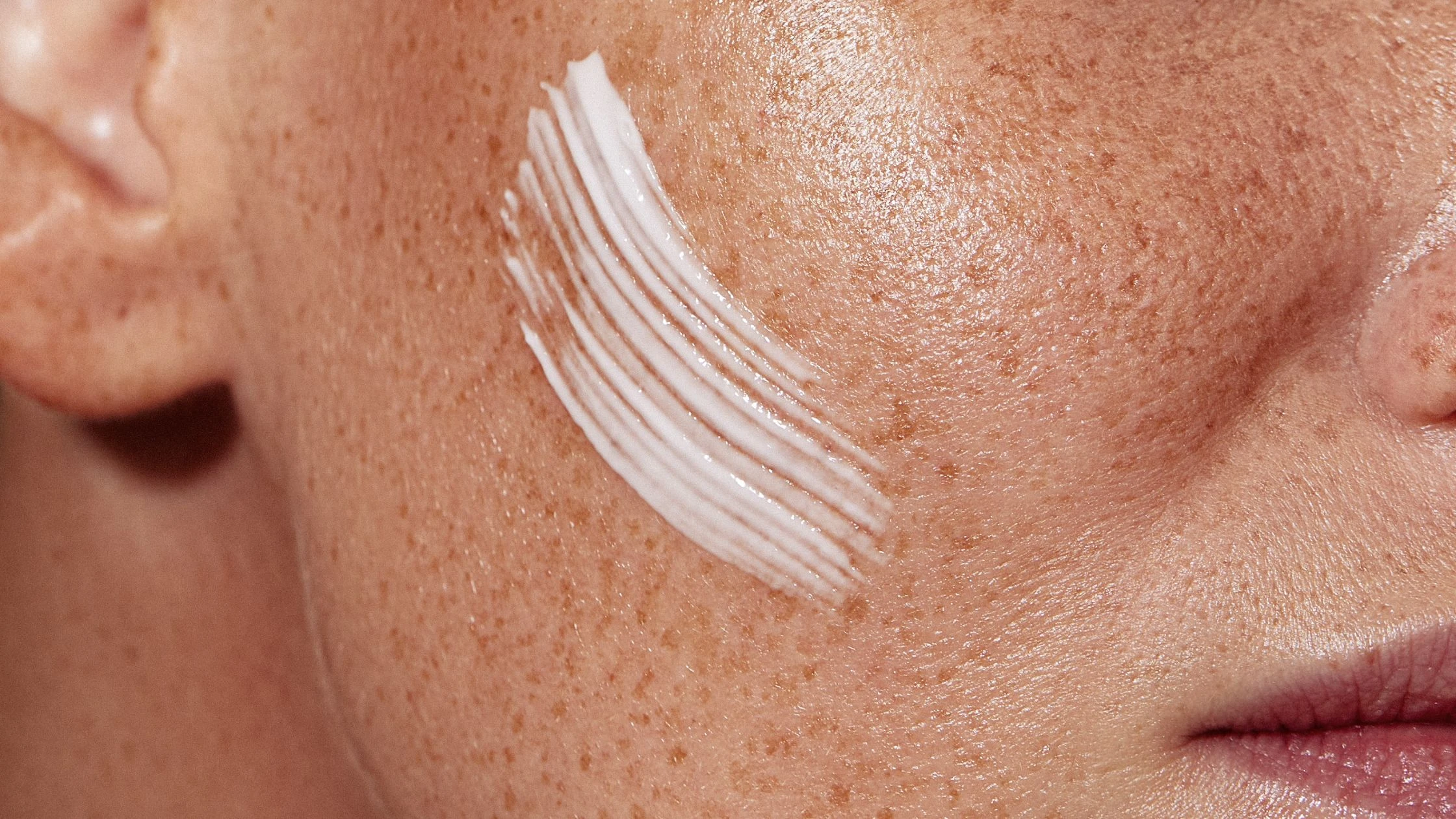
Understanding how to reduce melanin production in your skin can transform your journey toward achieving an even, radiant complexion. Whether you're dealing with stubborn dark spots, melasma, or general uneven skin tone, the science behind melanin reduction offers hope and practical solutions. Your skin produces melanin as a natural defense mechanism, but sometimes this process goes into overdrive, creating unwanted hyperpigmentation that affects your confidence and skin health.
Melanin production is your skin's natural response to protect itself from harmful UV rays and other environmental stressors. This complex process involves specialized cells called melanocytes that produce pigment through an enzyme called tyrosinase. When everything works perfectly, melanin creates your natural skin tone and provides protection from sun damage. However, various factors can trigger excess melanin production, leading to unwanted dark patches and uneven skin pigmentation. Understanding these triggers helps you take control of your skin's appearance and health.
Different types of hyperpigmentation require different approaches for effective treatment. Melasma typically appears as brown patches on the face, often triggered by hormonal changes during pregnancy or from birth control use. Age spots develop from years of sun exposure and usually appear on hands, face, and shoulders. Post-inflammatory hyperpigmentation occurs after acne, cuts, or other skin injuries heal, leaving behind dark marks.
Several factors can stimulate your skin to produce more melanin than necessary. UV radiation remains the primary culprit, but hormonal fluctuations, certain medications, and skin inflammation also play significant roles. Even stress and poor sleep can indirectly affect your skin's pigmentation patterns through hormonal disruptions.
Natural approaches to melanin reduction focus on gentle, sustainable methods that work with your skin's natural healing processes. These methods often take longer to show results but typically cause fewer side effects and provide lasting improvements when used consistently. Sun protection forms the foundation of any successful melanin reduction strategy. Without proper UV protection, even the most effective treatments will struggle to produce lasting results.
Daily application of broad-spectrum SPF 30 or higher sunscreen prevents new melanin production while allowing existing dark spots to fade naturally. Apply sunscreen 15 minutes before sun exposure and reapply every two hours, especially during outdoor activities. Don't forget often-missed areas like your ears, neck, and the backs of your hands.
Several natural ingredients have shown promising results in reducing melanin production. Aloe vera gel contains aloin, a compound that can lighten skin naturally when applied consistently. Green tea extract provides powerful antioxidants called EGCG that help inhibit tyrosinase activity. Turmeric contains curcumin, which has both anti-inflammatory and skin-brightening properties.
Topical treatments offer more concentrated approaches to melanin reduction, often providing faster results than natural methods alone. These products work by either blocking melanin production or accelerating the removal of existing pigmented skin cells. Understanding how different active ingredients work helps you choose the most appropriate products for your specific skin concerns and sensitivity level.
Vitamin C serums work by interfering with the tyrosinase enzyme, effectively slowing down melanin production at its source. Look for serums containing L-ascorbic acid, magnesium ascorbyl phosphate, or sodium ascorbyl phosphate for the most effective results. Apply vitamin C serum in the morning before sunscreen for maximum protection and brightening benefits.
Kojic acid and hydroquinone represent some of the most effective melanin inhibitors available in skincare products. Retinoids accelerate cell turnover, helping to remove pigmented skin cells more quickly. Niacinamide offers gentle skin brightening while improving overall skin texture and barrier function.
Professional treatments provide the fastest and most dramatic results for reducing melanin and treating stubborn hyperpigmentation. These procedures should always be performed by qualified skincare professionals who can assess your skin type and recommend the most appropriate treatment approach. Professional treatments often combine multiple approaches for comprehensive results, addressing both surface pigmentation and deeper melanin deposits.
Laser treatments target excess pigment with precise light energy, breaking down melanin deposits so your body can naturally eliminate them. Different laser types work better for different skin tones and pigmentation types. IPL (Intense Pulsed Light) treatments offer gentler options for sensitive skin, while Q-switched lasers provide more aggressive treatment for stubborn dark spots.
Chemical peels remove pigmented skin layers, revealing fresher, more evenly toned skin underneath. Glycolic acid peels work well for surface pigmentation, while deeper peels can address more significant discoloration. Professional microdermabrasion and dermaplaning provide physical exfoliation that complements chemical treatments.
Natural melanin reduction includes daily SPF 30+ sunscreen application, using aloe vera gel treatments, applying green tea extracts, creating turmeric masks, and consuming antioxidant-rich foods like citrus fruits and berries. Consistency with these natural methods typically shows results within 6-12 weeks.
While permanent melanin reduction takes months, you can see improvement in 7 days through intensive care: apply vitamin C serum daily, use AHA exfoliation 2-3 times, maintain consistent sunscreen use, apply aloe vera gel twice daily, and avoid peak sun exposure between 10 AM and 4 PM.
Melanin-reducing foods include citrus fruits rich in vitamin C, berries loaded with antioxidants, leafy greens containing folate, soybeans with natural lightening compounds, and licorice root extract. Green tea and foods high in glutathione like spinach and avocados also support melanin reduction.
Internal melanin reduction involves consuming antioxidant-rich foods, drinking green tea regularly, taking vitamin C supplements, managing stress through meditation or exercise, getting quality sleep for 7-8 hours nightly, and maintaining proper hydration with 8-10 glasses of water daily.
Professional laser treatments typically provide the fastest results for dark spots, often showing improvement within 2-4 weeks. However, combining professional treatments with consistent at-home care using vitamin C serums and proper sun protection creates the most lasting results.
Natural methods work more slowly but often provide gentler, longer-lasting results with fewer side effects. Chemical treatments work faster but may cause irritation in sensitive skin. Many people achieve the best results by combining both approaches under professional guidance.
Reducing melanin production requires patience, consistency, and a comprehensive approach that addresses both prevention and treatment. Start with excellent sun protection as your foundation, then gradually introduce active ingredients or natural treatments based on your skin's tolerance and specific needs. Remember that visible results typically take 6-12 weeks of consistent use, and maintaining your results requires ongoing commitment to proper skincare habits. Whether you choose natural methods, professional treatments, or a combination of both, the key to success lies in understanding your skin's unique needs and responding with appropriate, gentle care.
